
Last updated November 2, 2026
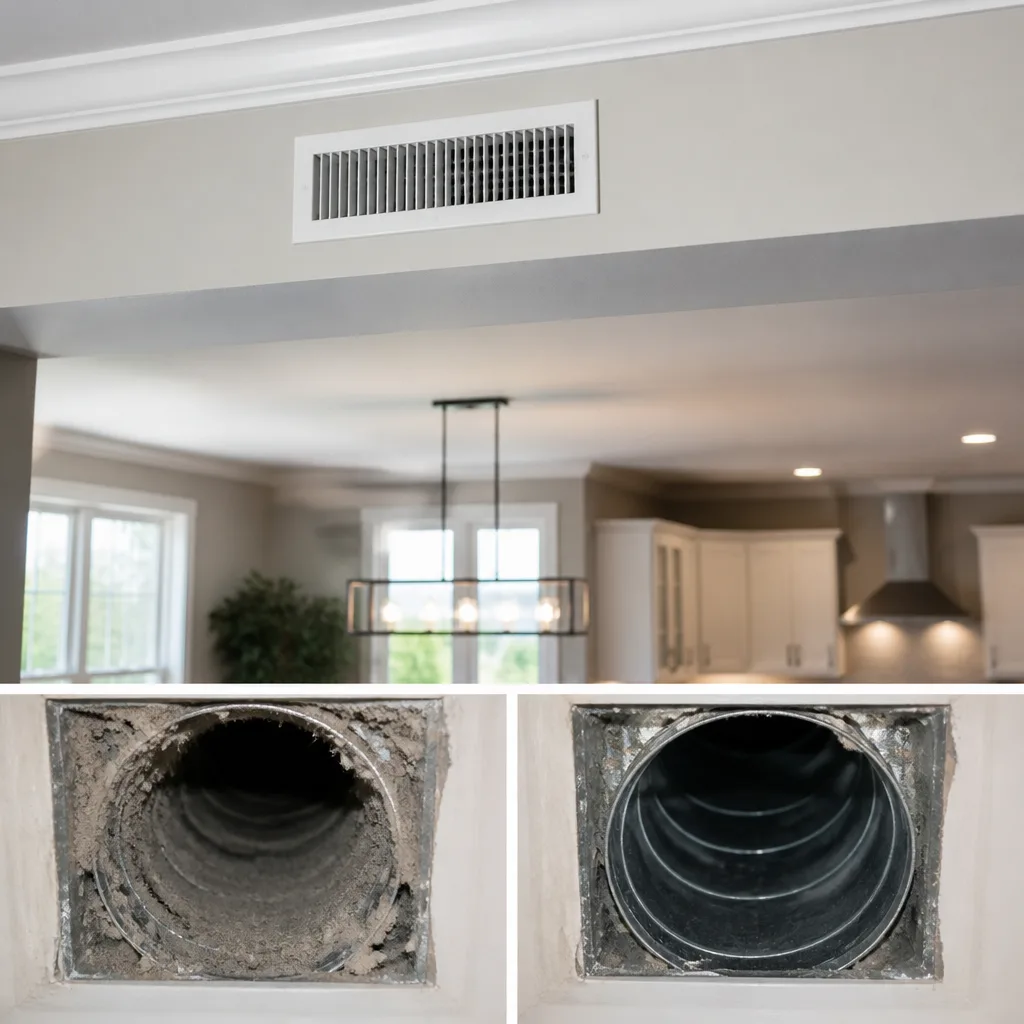 Whole-home duct cleaning
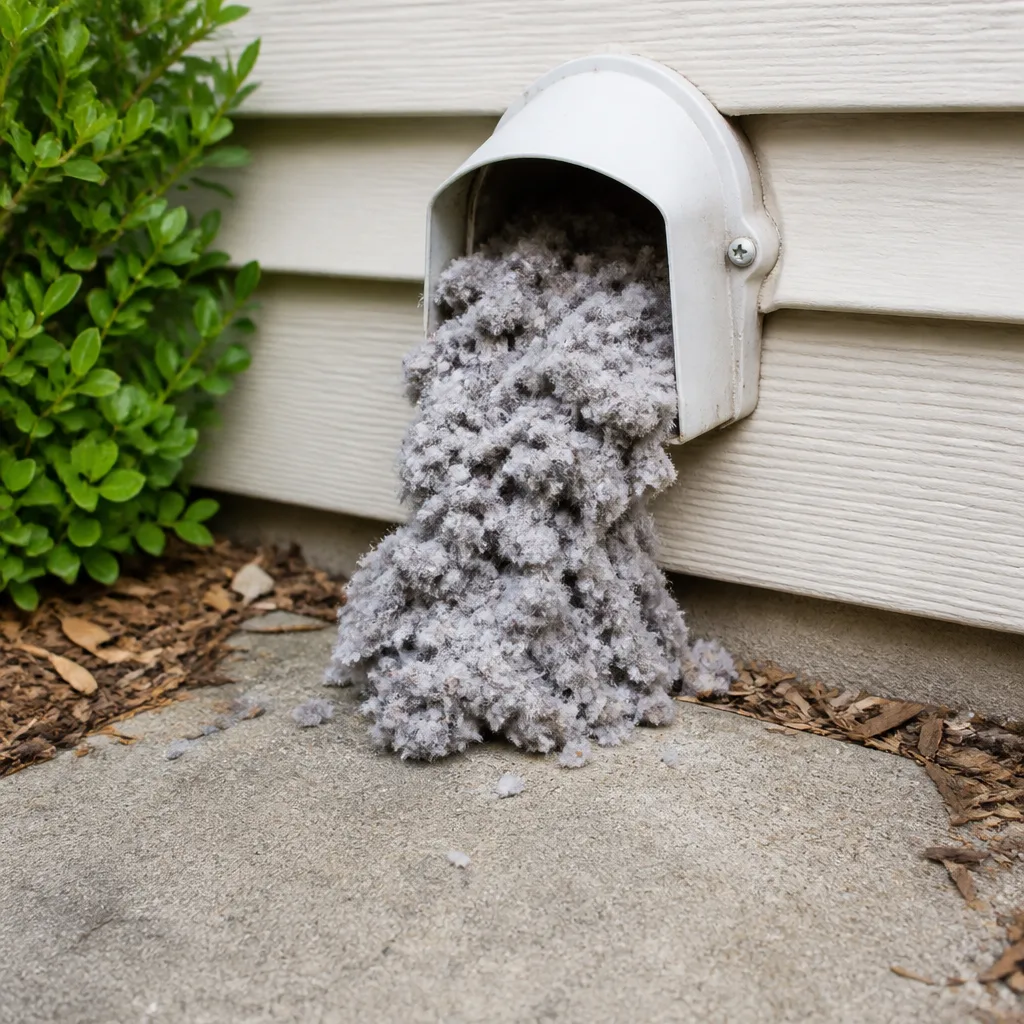 Dryer vent cleaning
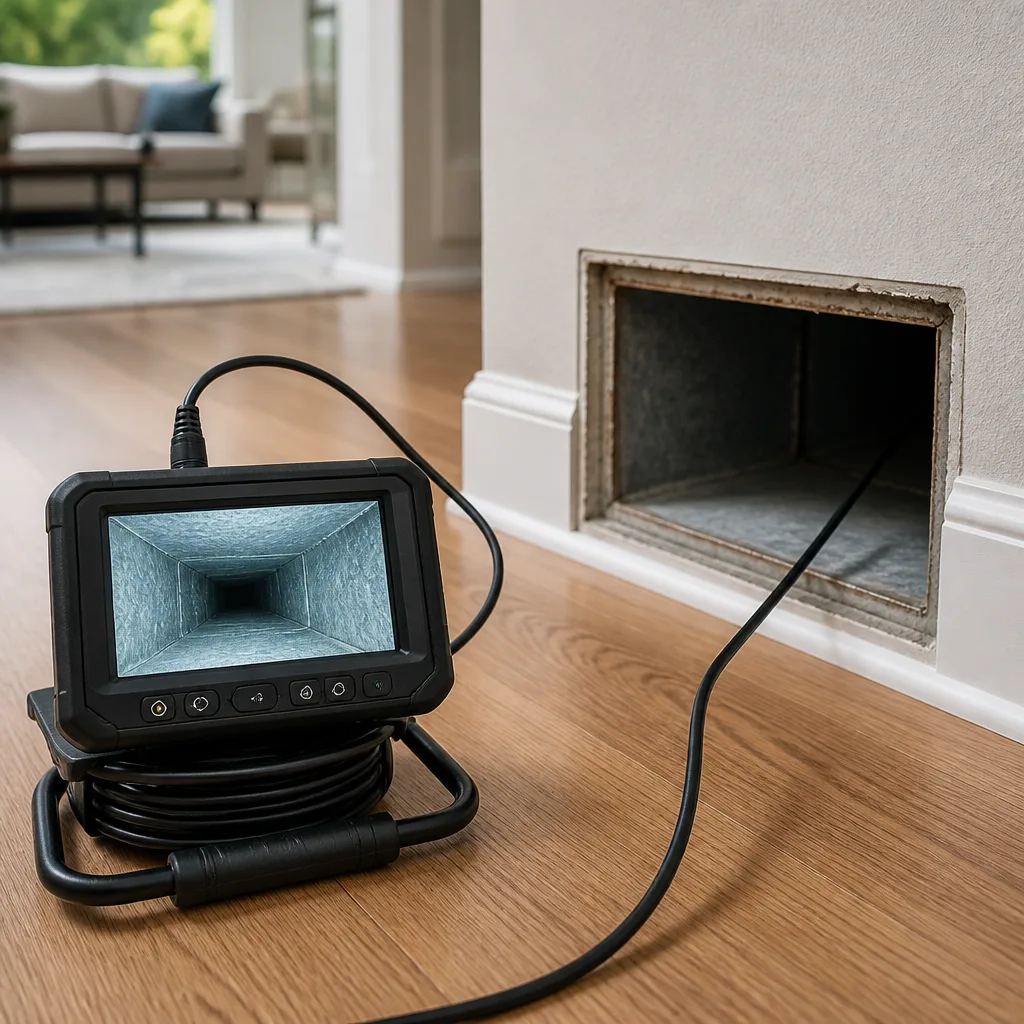 Camera inspection
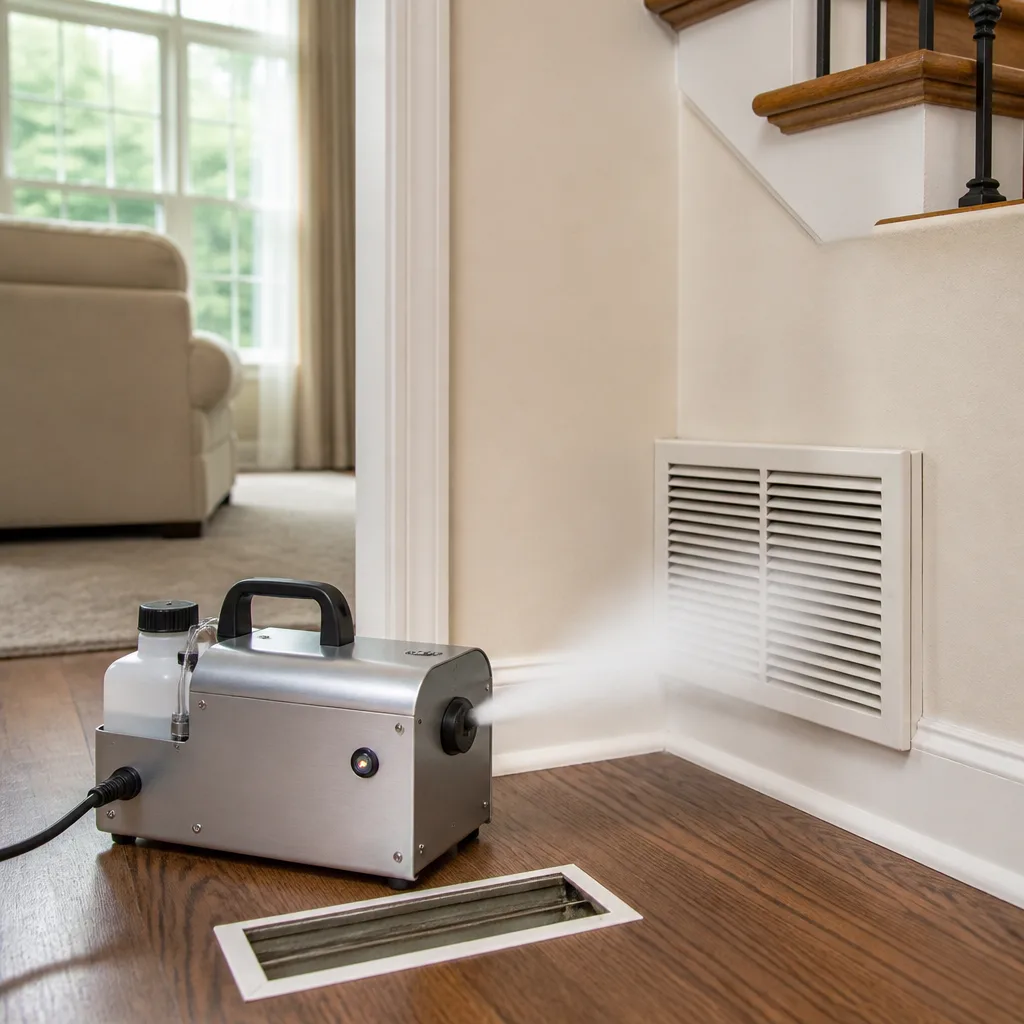 Sanitizing & deodorizing
Whole-system duct and dryer vent check with before-and-after photos - you see exactly what came out of your vents
That "$99 whole-house special" is a bait ad - the real number appears once they are in your hallway, or the "clean" is a shop-vac at the register. We photograph the inside of your ducts before and after instead.
DIY vs Professional Air Duct Cleaning: The Apple Valley Homeowner’s Decision Guide
Most Apple Valley homeowners don’t realize that a standard shop vac generates roughly 50 to 80 CFM of suction. A truck-mounted HEPA extraction unit, like the Nikro systems professionals use, operates at 1,500 to 3,000 CFM. That means a weekend DIY duct cleaning attempt runs at about 2 to 5 percent of the airflow needed to actually pull debris off interior duct surfaces. This guide breaks down what DIY work can legitimately accomplish, where it falls short, and when calling a professional in Apple Valley is the only decision that makes sense. You’ll learn the physics behind real cleaning, the specific ways high-desert homes complicate things, and what a fair comparison of time, money, and outcomes looks like.
Quick Answer
DIY air duct cleaning in Apple Valley is best treated as surface maintenance – register cleaning, grille washing, and filter replacement – not as a substitute for professional extraction. Consumer vacuums cannot generate the negative pressure required to pull debris off duct walls, and disturbing settled dust without proper containment can make your indoor air temporarily worse. For actual removal of accumulated dust, dander, and construction debris from inside the duct system, Air Duct Cleaning with professional equipment like Rotobrush agitation paired with Nikro HEPA extraction is the only method with the mechanical force to do the job.
Styles & brands we work with
- Whole-home duct cleaning
- Dryer vent cleaning
- Camera inspection
- Sanitizing & deodorizing
Table of Contents
- What DIY Duct Cleaning Can Legitimately Accomplish
- The Physics of Debris Removal: Negative Pressure, Not Just Brushing
- Why Apple Valley Homes Are a Unique Case
- When DIY Makes Sense as an Interim Step
- When DIY Risks Making the Problem Worse
- The Cost Math: DIY Consumables vs. Professional Service
- What Professional Equipment Actually Does
- Air Duct Repair: What Cleaning Cannot Fix
What DIY Duct Cleaning Can Legitimately Accomplish
Let’s give DIY its due, because there are four tasks an Apple Valley homeowner can do this weekend that genuinely help. First, removing and washing register covers and grilles. Over a high-desert summer, these collect a film of dust and cooking residue that restricts airflow at the point where conditioned air enters your rooms. Soap, water, and a rag handle this completely. Second, you can replace your HVAC filter. A clogged filter forces your blower to work harder, and in Apple Valley’s summer heat, that’s real strain on equipment. Third, you can inspect the duct openings you can reach. Pop off a register, use a flashlight and your phone camera, and look for visible debris, mold-like staining, or disconnected sections. Fourth, you can vacuum out the first 12 to 18 inches of duct visible from the register opening. That’s surface work, but it’s honest work.
What DIY cannot do is reach the other 90 percent of the system. The average Apple Valley home has 30 to 60 feet of ductwork running through attics and crawl spaces, with bends, low points, and branch connections. No homeowner tool reaches those areas. A shop vac with a 10-foot hose and a brush attachment cleans the vestibule, not the building. Understanding this boundary is the difference between doing useful maintenance and fooling yourself into skipping necessary service.
The Physics of Debris Removal: Negative Pressure, Not Just Brushing
Here’s the core issue most DIY duct cleaning guides gloss over. Cleaning a duct is not like cleaning a countertop. You are not wiping a flat surface. You are trying to remove material that has adhered to the interior walls of a long, enclosed channel, and material that has settled into sagging low points and elbows. The only mechanism that removes that material is airflow, specifically negative pressure differential. A professional system seals the duct run, connects a high-CFM vacuum to one end, and creates enough suction velocity to pull loosened debris through the system and into a containment filter. Brushing without that suction does nothing but relocate dust from one part of the duct to another.
Think of it this way. A Rotobrush system uses a rotary brush head spinning at high speed to mechanically agitate debris off duct walls. But the brush alone is not the cleaning mechanism. The brush breaks the bond between dust and duct surface. The paired HEPA vacuum, pulling 1,500 CFM or more, is what removes that loosened material from the duct entirely. A homeowner with a shop vac and a bristle brush is performing only half the equation, and the half that’s missing is the one that actually gets debris out of your house. In our experience working on Air Duct Cleaning in Apple Valley homes, we’ve seen DIY attempts leave visibly loosened dust lining ducts that then redistributes through the home within days.
Why Apple Valley Homes Are a Unique Case
Apple Valley sits in the High Desert at roughly 2,900 feet. That elevation means dry air, big temperature swings between day and night, and a constant presence of fine, alkaline dust that gets pulled into homes every time a door opens. But the bigger issue for ductwork is structural. Many Apple Valley homes have attic-run flex duct. Flex duct, that insulated, spiral-wire tubing running through your attic, sags between supports. Debris settles in those low points. Over years, the combination of desert dust, pet dander, and construction remnants accumulates in the sags and bends where no consumer tool has any chance of reaching.
Then there’s temperature. Attic spaces in Apple Valley routinely hit 130 to 150 degrees in July and August. That heat bakes the interior of flex duct, drying out the lining and making settled debris more brittle and adhesive. Cold winters do the opposite, drawing moisture into the duct lining when warm conditioned air meets cold attic air, and that moisture helps dust stick. The result is a debris profile that requires mechanical agitation to break loose. A casual brushing at the register does nothing for the baked-on material 20 feet into the duct run. This is the reality that makes the DIY conversation different here than in a coastal city with milder attic conditions.
When DIY Makes Sense as an Interim Step
There are situations where homeowner maintenance is a reasonable interim measure. If you just moved into an Apple Valley home and the previous owner changed filters regularly and there’s no visible dust at the registers, a weekend of register washing and a new filter is fine. If your budget is genuinely constrained and there’s no immediate issue, doing the surface tasks and scheduling professional cleaning within six months is a defensible plan. For help planning, see our How to Hire an Air Duct Cleaning Contractor in Apple Valley: A Step-by-Step Guide.
Here’s a practical sequence we suggest to Apple Valley homeowners:
- Replace your HVAC filter with a quality pleated filter. Note the date on the filter frame.
- Remove every register cover and grille in the home. Wash them with warm water and mild detergent. Let them dry completely.
- While the registers are off, use a flashlight to inspect as far into the duct opening as you can see. Look for visible dust layers, debris, or disconnected duct sections.
- If you see anything beyond light dust, stop the DIY effort. Do not attempt to reach deeper. You’ve found what you need to know.
- Schedule a professional assessment. What you saw at the register is a floor, not a ceiling, for what’s in the rest of the system.
This sequence gives you the honest value of DIY without overestimating what it accomplished. It also gives you baseline information to discuss with whichever professional you call.
When DIY Risks Making the Problem Worse
Here’s the counterintuitive danger of DIY duct cleaning, and it’s a point most guides never address. If your ducts have accumulated a meaningful debris layer, and you insert a brush or blower into the duct opening without a containment system on the other end, you are not removing that debris. You are dislodging it. Dislodged debris without extraction means suspended particles. And suspended particles mean your HVAC blower picks them up and distributes them through every room in your Apple Valley home.
We’ve seen this happen. A homeowner reads a blog post, attaches a brush to a drill, runs it into a supply duct, and within 48 hours every horizontal surface in the house has a fresh dust film. The duct looks cleaner at the register because the debris moved, not because it left. In a worst-case scenario, you push debris into the air handler itself, coating the blower motor and evaporator coil. That’s a repair bill that dwarfs the cost of professional cleaning. The pattern is consistent: for mild surface dust, DIY is safe but limited. For anything more than mild, DIY without extraction actively makes things worse.
The Cost Math: DIY Consumables vs. Professional Service
Let’s put actual numbers on the DIY versus professional comparison for an Apple Valley homeowner. A basic DIY attempt costs: a duct brush kit, $25 to $40; a shop vac filter rated for fine dust, $15 to $25; register replacement if any are broken, $8 to $15 each; and a few hours of your weekend. If you choose to rent anything more aggressive, a HEPA vacuum rental runs $60 to $100 per day, and rental units are rarely in good condition. Total DIY outlay: $50 to $150, plus your time.
Professional cleaning for a typical Apple Valley single-family home runs a few hundred dollars, varying with system size, number of returns, and debris condition. Before you balk at the difference, consider this: the DIY spend does not reset your maintenance interval. The deep debris is still in the sags and bends. The professional job removes the debris that matters. The DIY job removes the debris you can see. Those are two different services wearing the same name. And there’s another cost nobody budgets for: the time spent in a 140-degree Apple Valley attic is not free time. It’s hardship. For many homeowners, the honest math is that DIY costs half as much and delivers ten percent of the result.
What Professional Equipment Actually Does
The reason professional Duct Cleaning Apple Valley home service is a different category of work comes down to three pieces of equipment working in sequence. First, containment. Abatement Technologies negative-air equipment sets up a pressure boundary so that nothing disturbed during cleaning escapes into your living space. This is the same containment logic used in professional remediation work. Second, agitation. A Rotobrush rotary brush head travels through the duct, mechanically breaking adhered debris off the walls. Third, extraction. A Nikro HEPA vacuum, running at 1,500 to 3,000 CFM, pulls everything through a HEPA filter and out of the system entirely.
That three-part sequence, containment plus agitation plus extraction, is what makes professional cleaning complete. Each component exists to solve a specific problem. Containment solves the redistribution problem. Agitation solves the adhesion problem. Extraction solves the removal problem. A homeowner approach can approximate agitation with a brush, but cannot approximate containment or extraction. This is not a difference in effort. It’s a difference in physics. It is also why we name our equipment. If a company cannot name the tools they use, they’re likely using a shop vac, just like you would.
Air Duct Repair: What Cleaning Cannot Fix
There’s a third category in this conversation that most DIY-versus-professional discussions miss entirely. Cleaning removes debris. It does not repair damage. In Apple Valley homes, the most common duct problem we encounter is not dirt, it’s disconnection. Flex duct in attics gets bumped by tradespeople, loosens at the takeoff collar, and begins blowing conditioned air into the attic instead of into the house. A second common issue is crush damage, where duct sections get compressed by stored boxes or attic traffic, reducing airflow to a room. Neither of these problems is solved by cleaning, DIY or professional.
Our Air Duct Repair in Apple Valley service exists specifically for this. A disconnected return duct pulls attic air, dust, and insulation directly into the system. Cleaning that system without repairing the disconnection is pointless, because the debris source is still active. A crushed supply duct starves a room of conditioned air no matter how clean the rest of the system is. The right sequence is: inspect first, repair what’s damaged, then clean. Or clean and repair in a single visit, which is the more efficient route when both problems exist. But never clean as a substitute for repair.
Common Mistakes to Avoid
- Running a brush into ducts without extraction. This dislodges settled debris and redistributes it through the home within days. Without negative pressure, brushing makes things worse.
- Using a leaf blower to “blow out” ducts. This is one of the worst ideas circulating online. You’re pressurizing the duct and forcing debris into the air handler, walls, and living space.
- Cleaning without first checking for disconnections. In Apple Valley homes with attic-run flex duct, cleaning a disconnected system pulls attic air and insulation right back in. Dryer Vent Cleaning in Apple Valley addresses a similar logic: clean the path, but make sure the path is intact first.
- Replacing a filter and assuming the system is clean. A new filter protects the blower from incoming debris. It does nothing about the debris already lining the ductwork downstream.
- Using duct cleaning chemicals or foggers without professional guidance. Introducing chemicals into your airstream is a serious step. Most duct interiors need mechanical removal, not chemical treatment.
- Ignoring visible mold-like growth because “cleaning will handle it.” If you see discoloration at a register, that’s a different service conversation. Document it, photograph it, and discuss it with a professional before any cleaning begins.
- Comparing professional quotes purely on price. A cut-rate duct cleaning that uses a shop vac and an hour of labor is not competing with a Rotobrush and Nikro job. You’re comparing different services wearing the same name.
See the difference
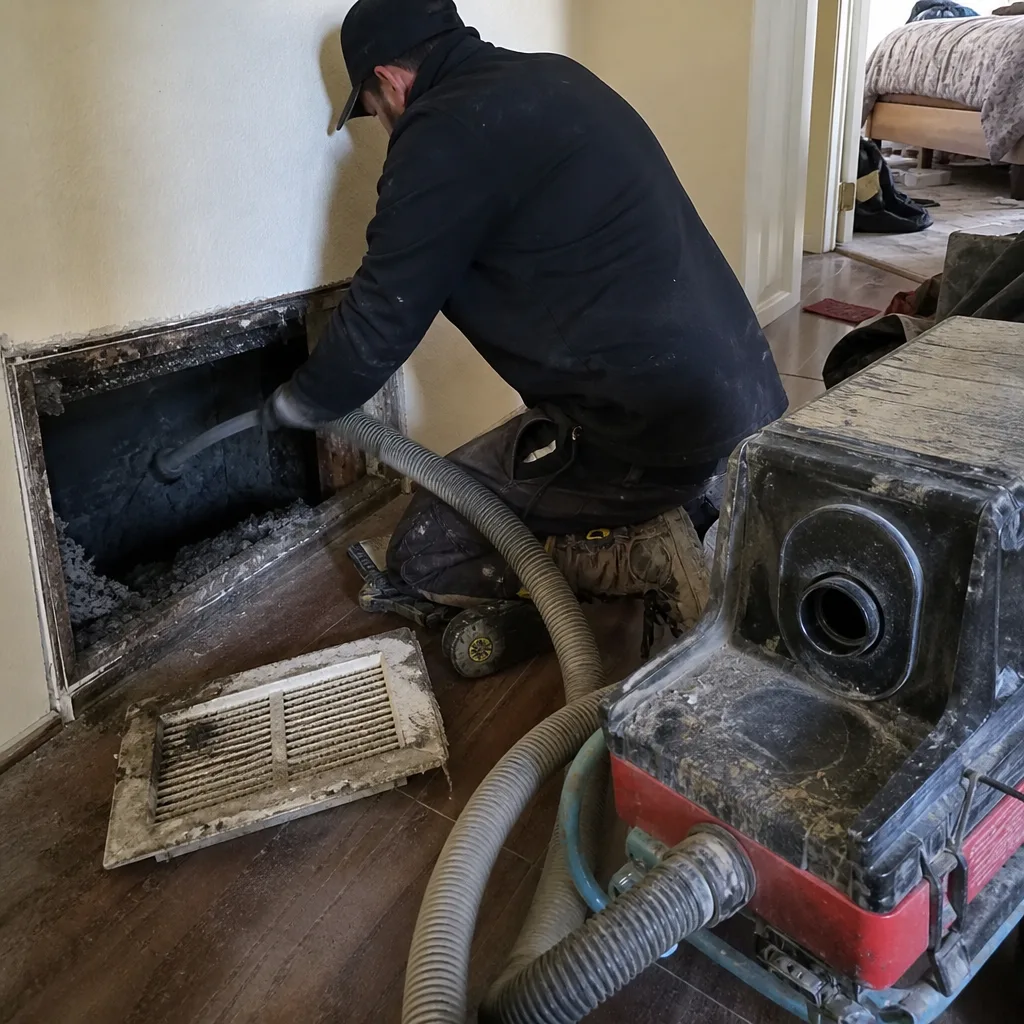 Before
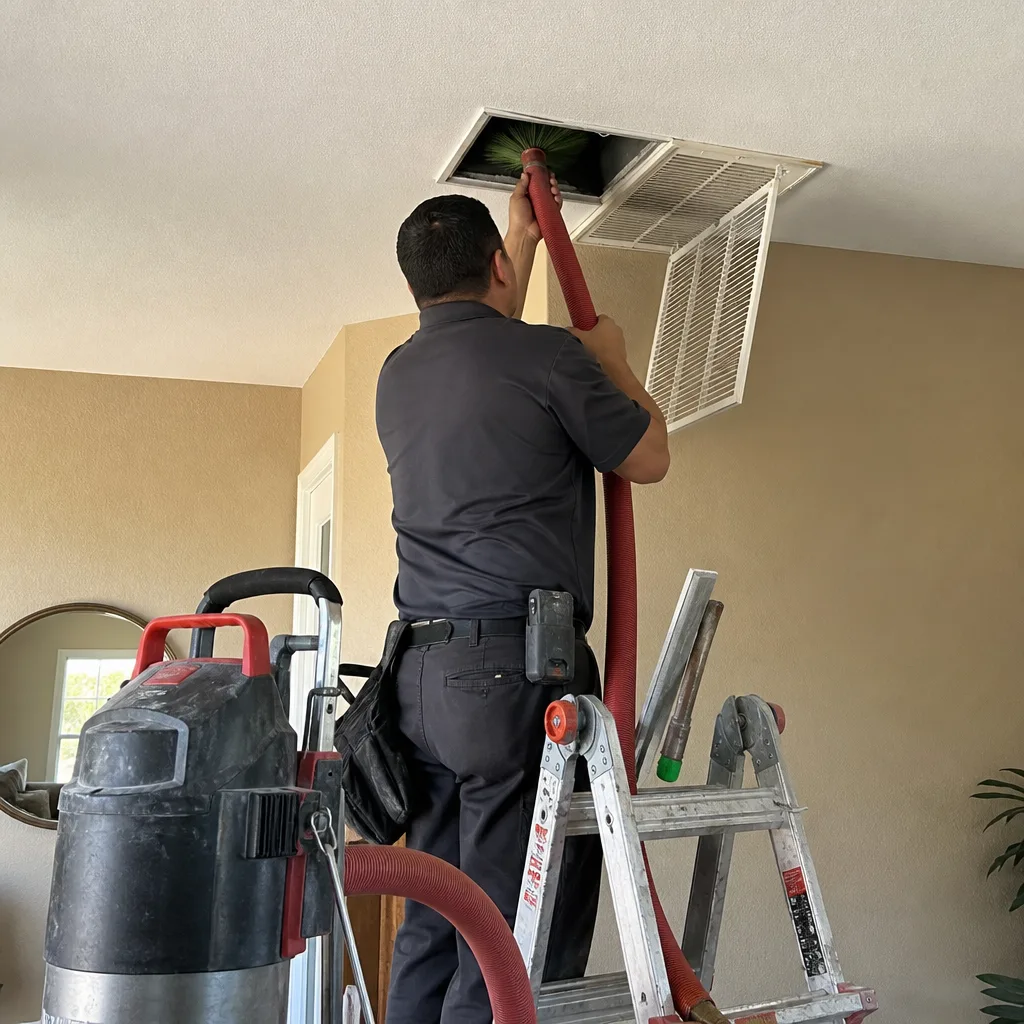 After
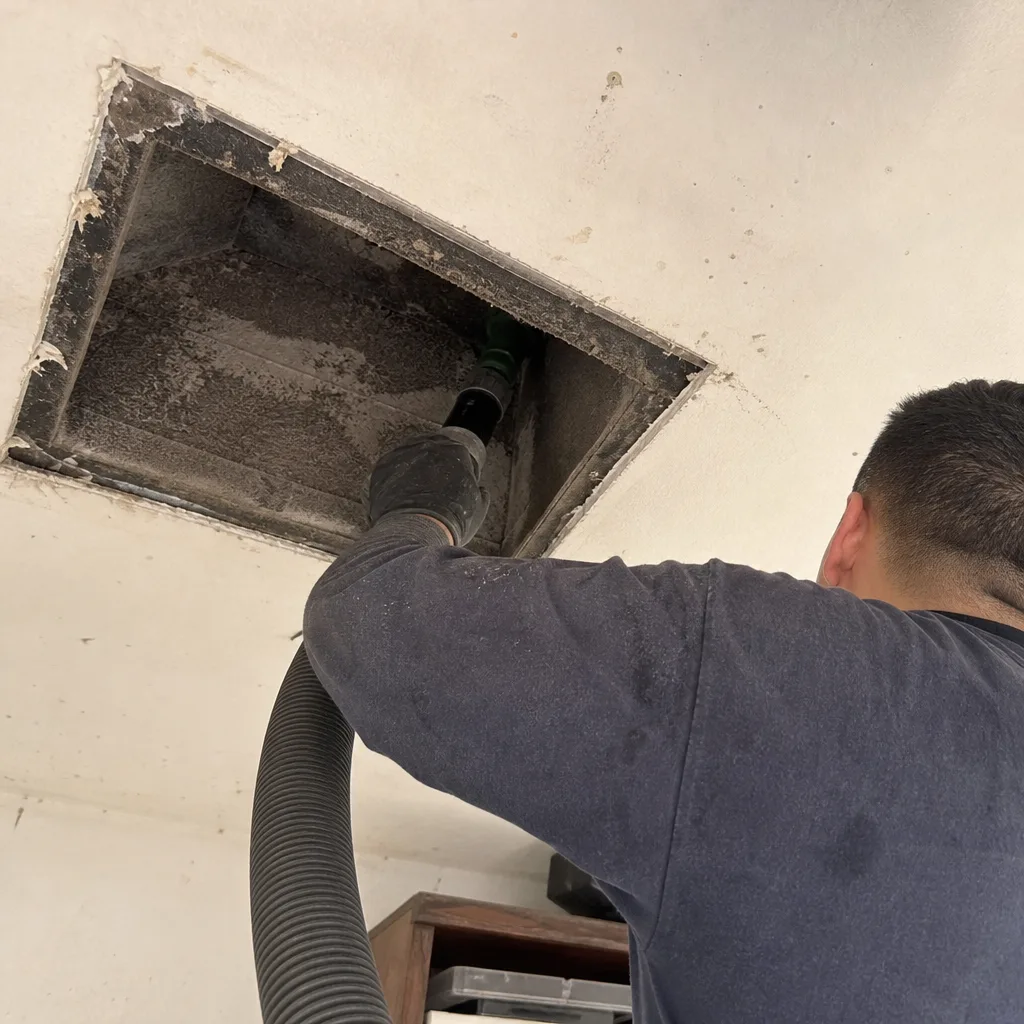 Before
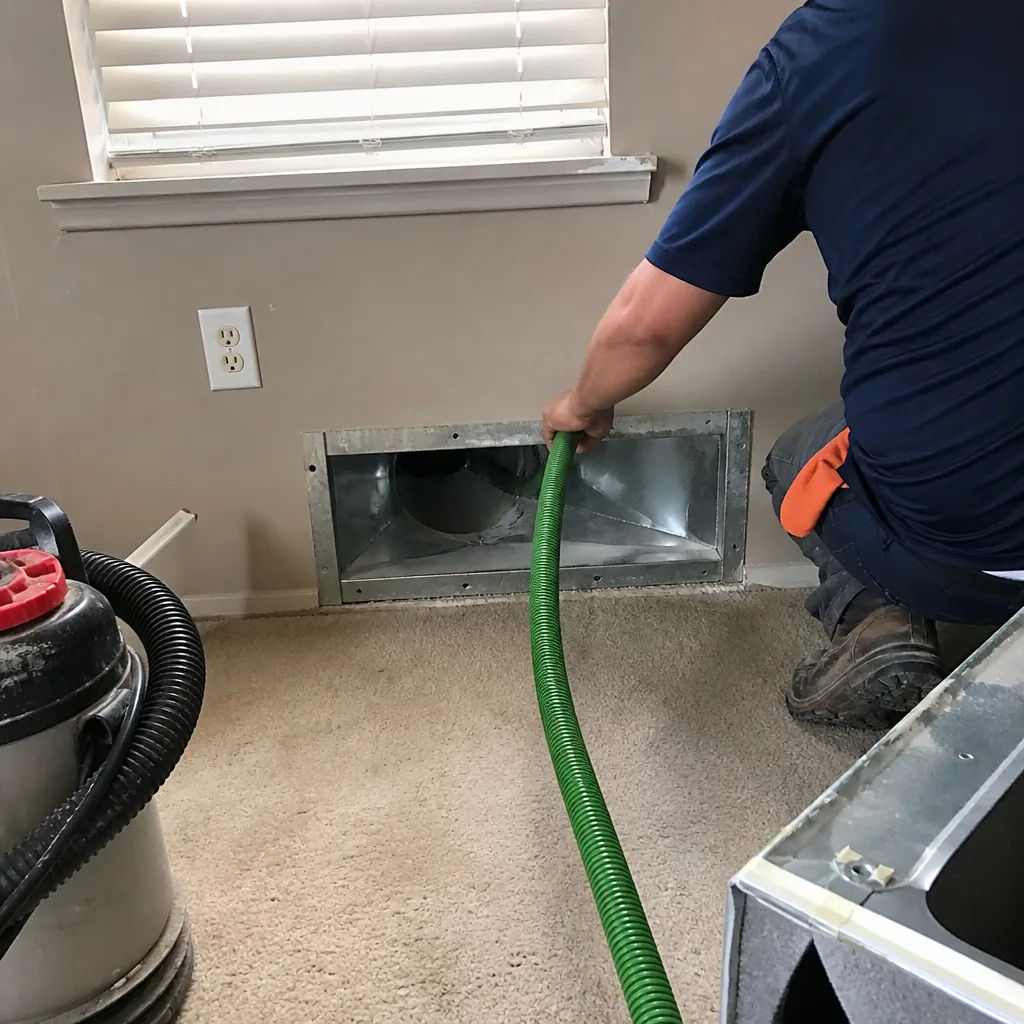 After
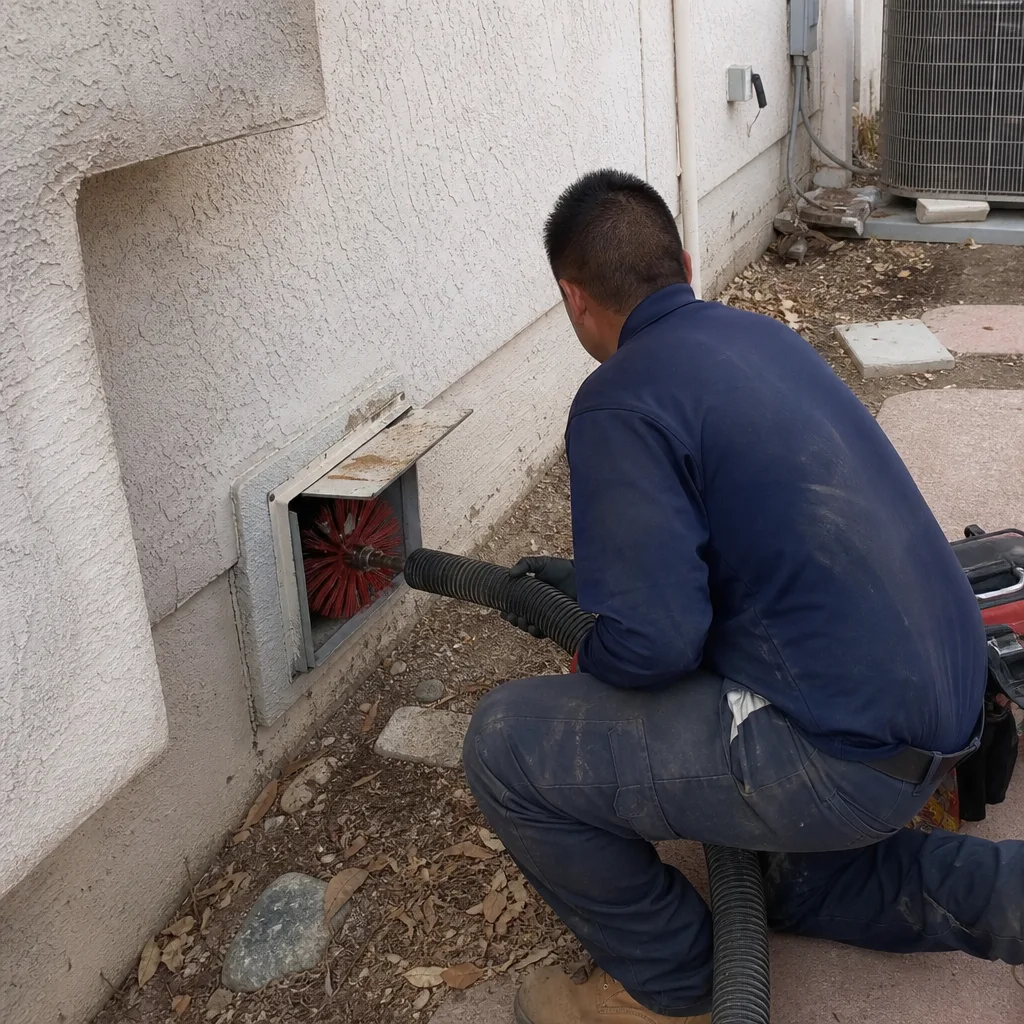 Before
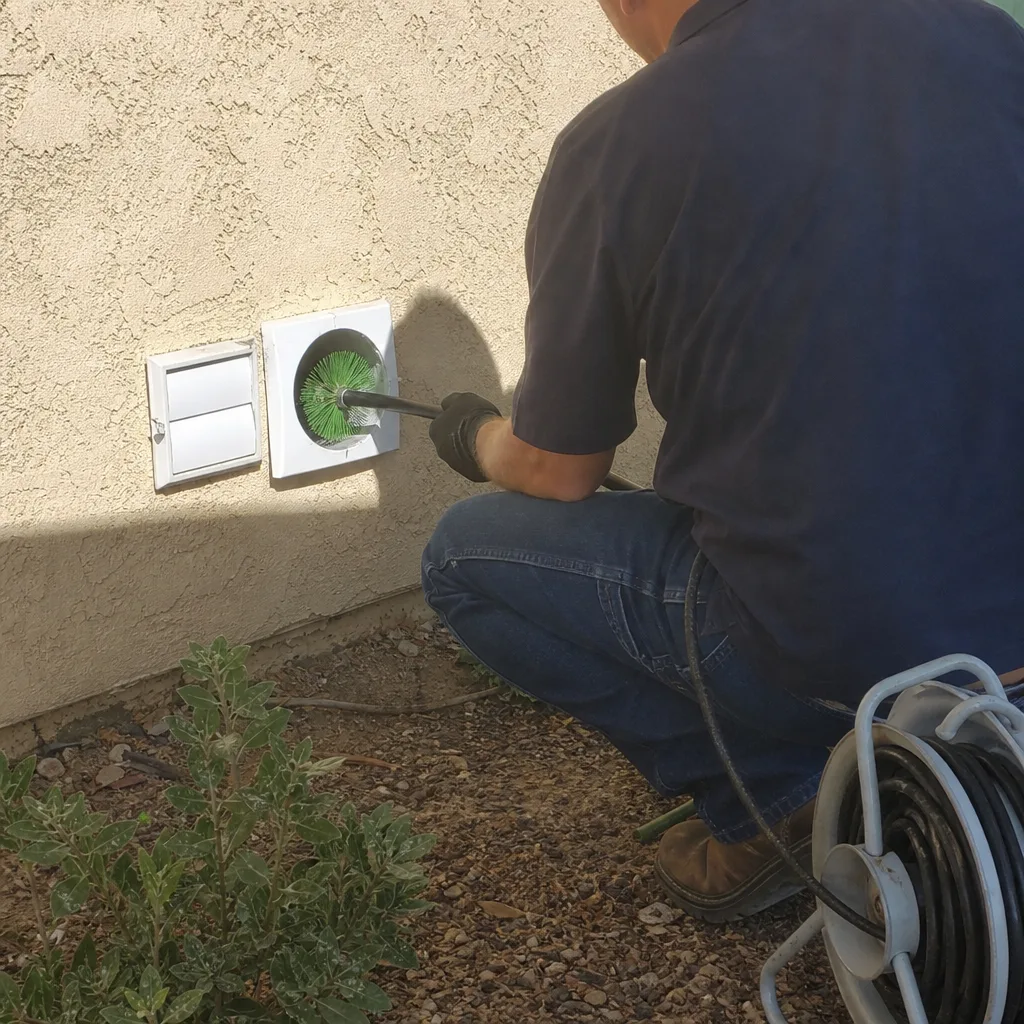 After
When to Call a Professional
Call a professional if you see visible dust at multiple registers, if family members with allergies report symptoms that worsen when the HVAC runs, if you’ve done renovation work that produced drywall or sawdust debris, or if you’ve been in your Apple Valley home more than three years without a duct inspection. Call if you can see debris inside the duct opening with a flashlight, or if certain rooms are consistently dustier than others. The honest shortcut: if you suspect the problem is beyond surface maintenance, it is. Duct Cleaning Apple Valley offers free estimates in Apple Valley, call (855) 619-4509 to schedule an assessment.
Frequently Asked Questions
Professional air duct cleaning in Apple Valley typically runs a few hundred dollars for a standard single-family home, varying by square footage, number of returns, and debris condition. That’s the whole-system price, not a per-vent teaser rate. Call (855) 619-4509 for an exact quote on your Apple Valley home, estimates are free.
Yes, as surface maintenance. Washing register covers, replacing filters, and inspecting accessible duct openings are worthwhile tasks that every Apple Valley homeowner should do. What DIY is not worth doing is attempting extraction with consumer equipment, because the airflow numbers simply don’t support it.
Because the cheap quotes are often using a shop vac and an hour of labor, not a truck-mounted HEPA extraction unit and rotary agitation equipment. A Rotobrush plus Nikro system is a different cost structure because it’s a different service. When you compare, ask what equipment will be on the truck.
Ask for before-and-after documentation. A professional service should be able to show you the debris removed and the condition of the ducts after the work. If a company cannot show you anything, ask why. You’re paying for extraction, and extraction leaves evidence.
In Apple Valley’s high-desert climate, most homes benefit from a professional cleaning every three to five years, more frequently if you have pets, do renovation work, or live near unpaved roads. Our Seasonal Air Duct Cleaning Care for Apple Valley: Year-Round Homeowner’s Guide has a full maintenance calendar. The desert dust load is constant, and filters only catch what passes through them.
Dirty ducts can circulate accumulated dust, pollen, dander, and other particulate matter through the living space every time the HVAC runs. Removing that debris load reduces the total particulate count in your air. That’s a debris-removal claim, not a medical guarantee, and it’s backed by the mechanics of what’s actually in the ducts.
The Bottom Line
The DIY versus professional duct cleaning decision in Apple Valley is not a money question. It’s a physics question. Consumer equipment operates at a fraction of the airflow required to extract debris from duct interiors, which means DIY work is surface maintenance by definition. That maintenance has value, but it does not reset your cleaning interval or remove the desert dust, dander, and construction debris accumulated in the sagging flex duct runs that characterize Apple Valley homes. Professional cleaning with rotary agitation and HEPA extraction removes the debris that matters. Repair removes the damage that cleaning cannot. Knowing the difference is the guide. Call (855) 619-4509 for a free estimate.
Written by the team at Duct Cleaning Apple Valley, serving Apple Valley since 2013.