
Last updated November 2, 2026
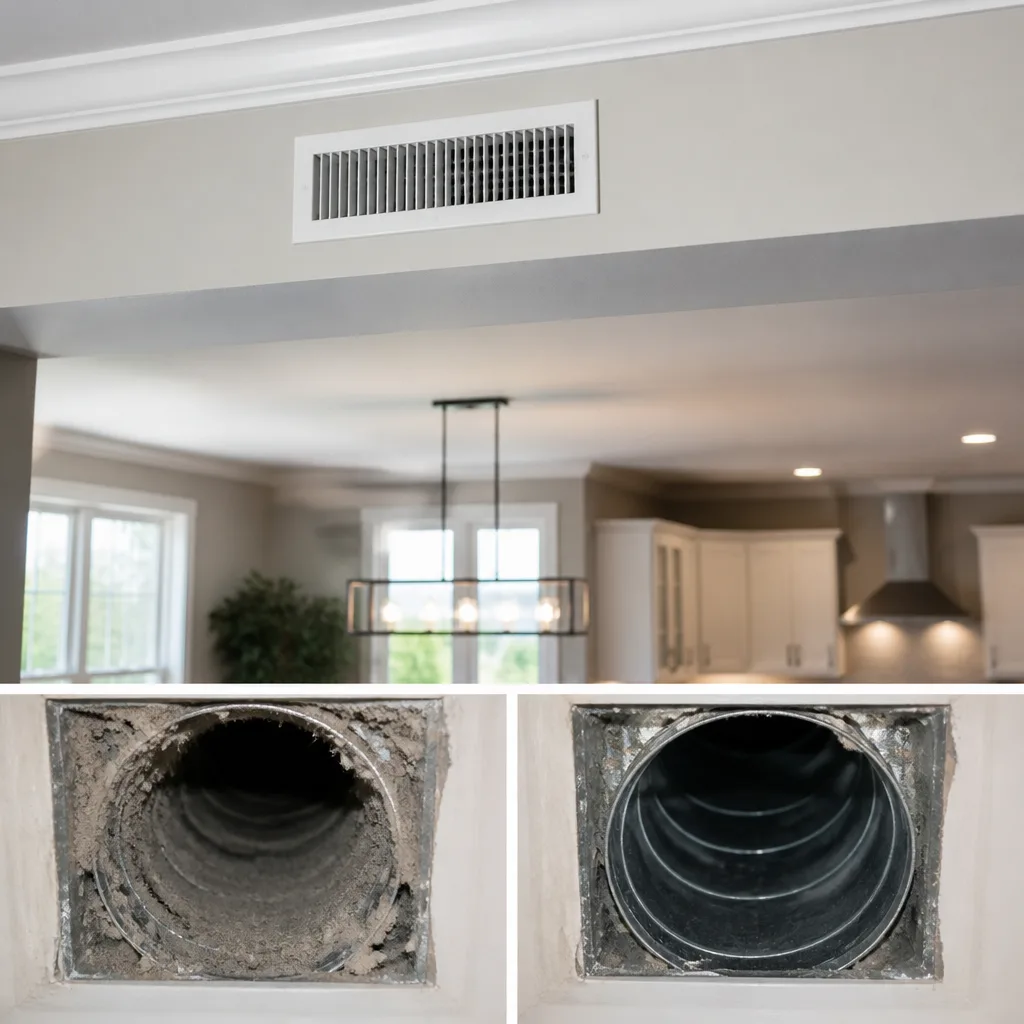 Whole-home duct cleaning
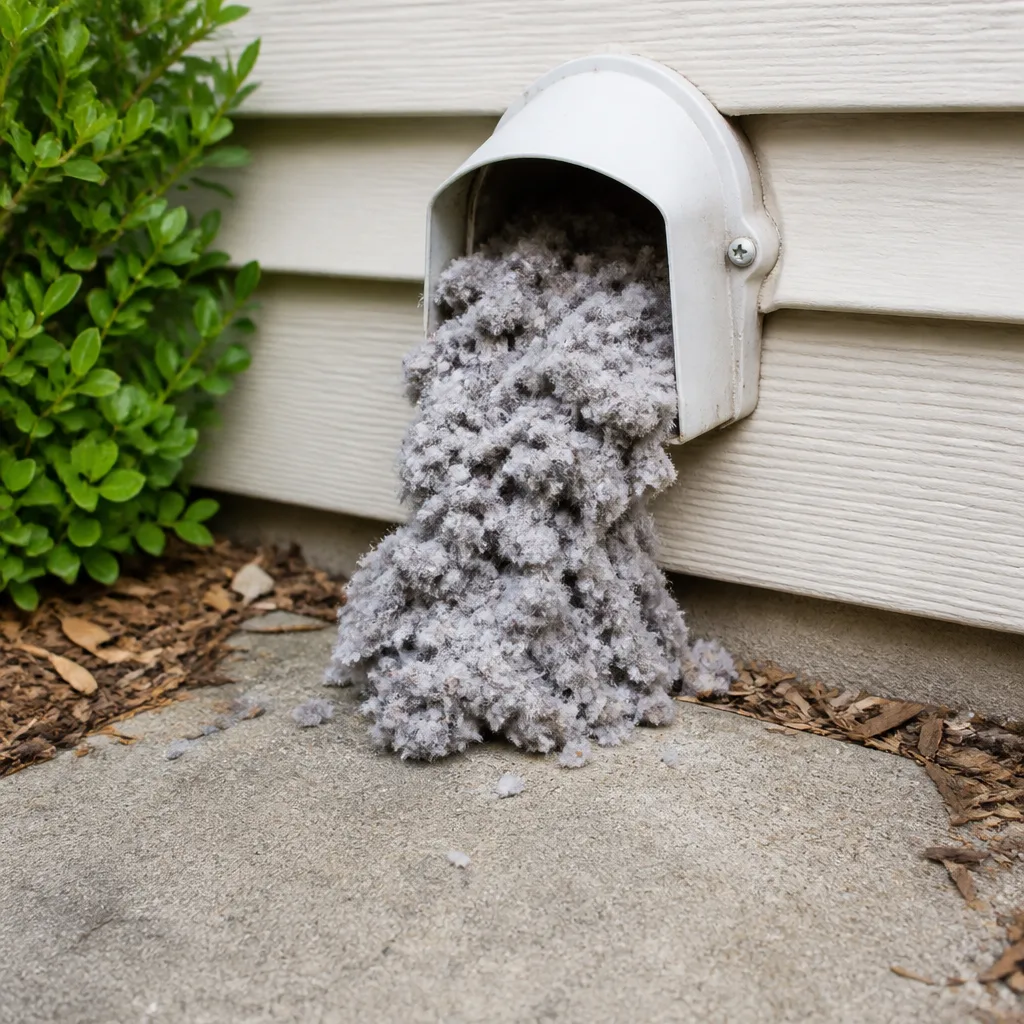 Dryer vent cleaning
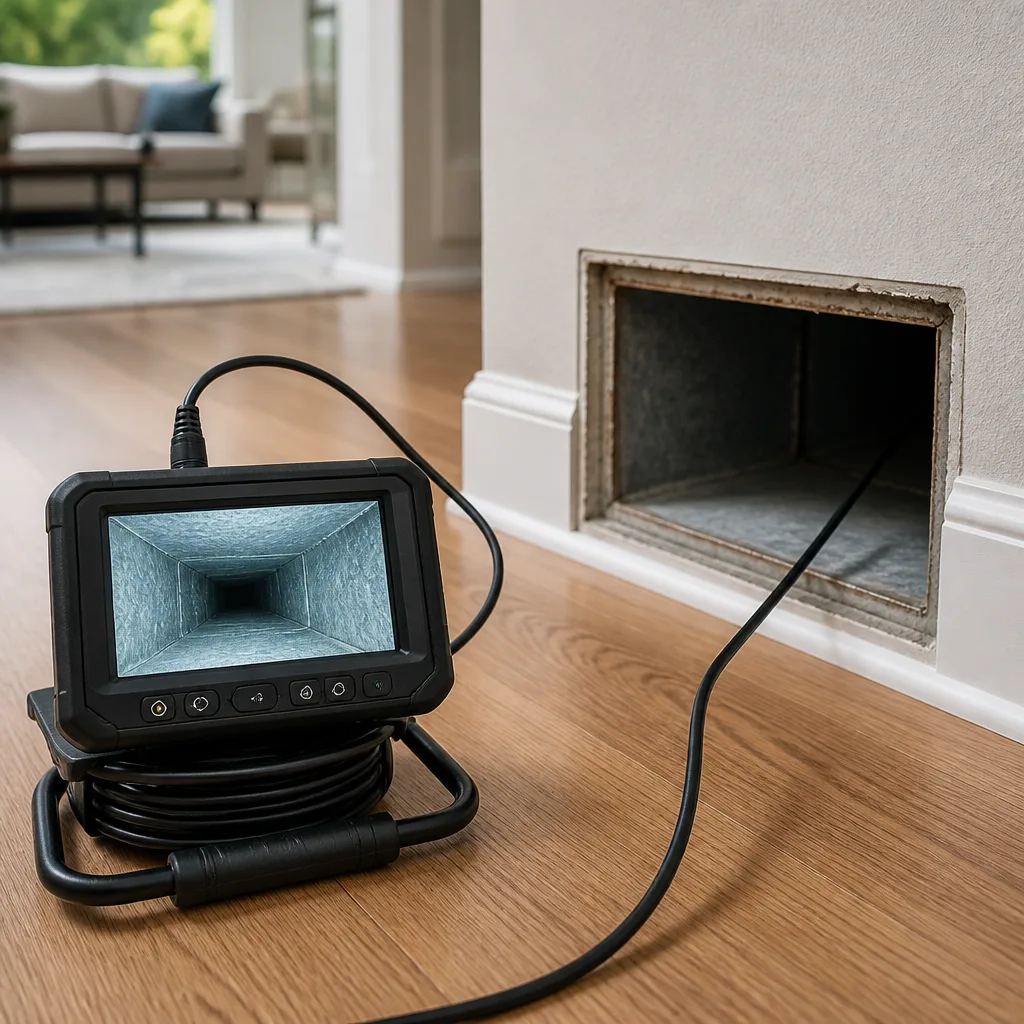 Camera inspection
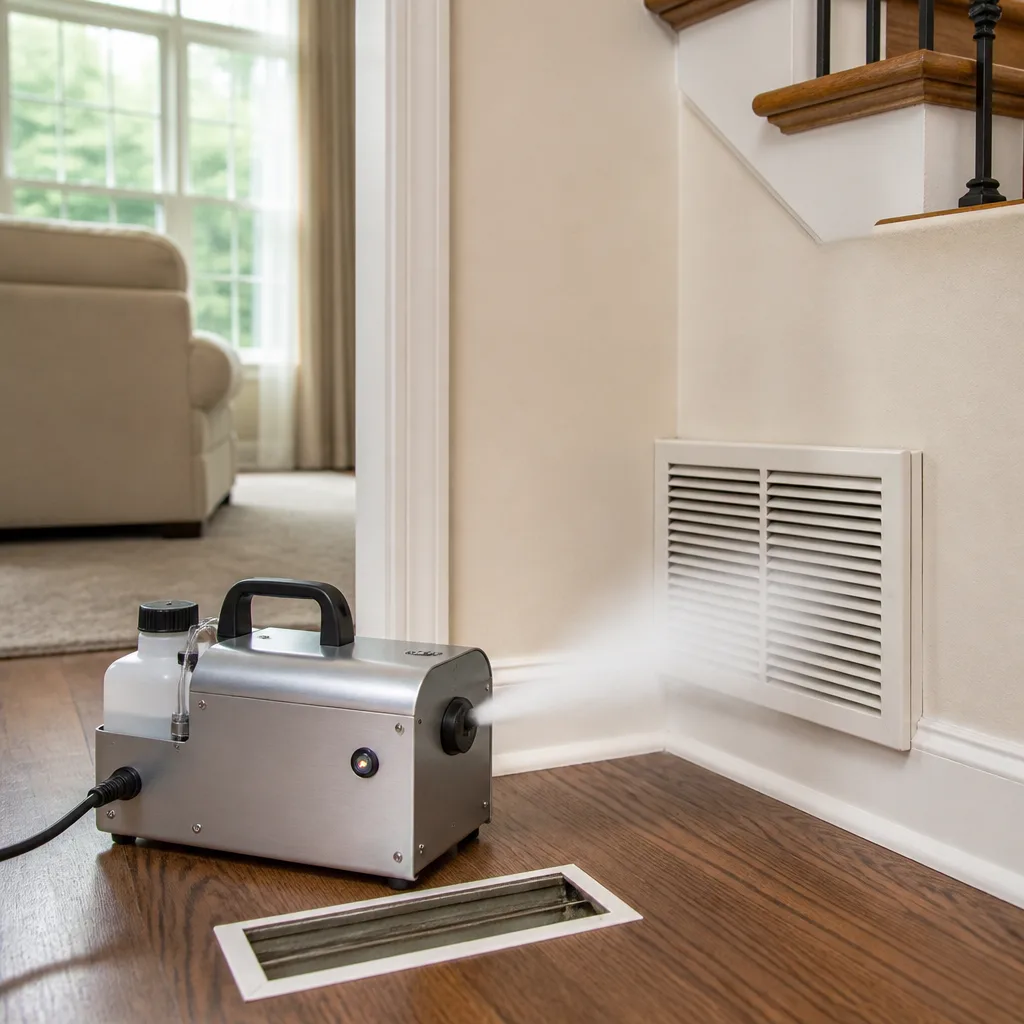 Sanitizing & deodorizing
Whole-system duct and dryer vent check with before-and-after photos - you see exactly what came out of your vents
That "$99 whole-house special" is a bait ad - the real number appears once they are in your hallway, or the "clean" is a shop-vac at the register. We photograph the inside of your ducts before and after instead.
How to Hire an Air Duct Cleaning Contractor in Apple Valley: A Step-by-Step Guide
The National Air Duct Cleaners Association (NADCA) has estimated that up to 90% of companies marketing air duct cleaning lack the equipment or training to meet its ACR standard. In a smaller market like Apple Valley, that statistic is not abstract – it’s the difference between a $99 coupon special that stirs dust around for 40 minutes and a documented cleaning that actually removes debris from the duct system. What most homeowners don’t realize is that hiring well isn’t about finding a company. It’s about disqualifying the majority who will show up with a shop vac and a drill brush. This guide gives you a concrete screening process built around equipment, documentation, and verifiable results. For related guidance, see our Seasonal Air Duct Cleaning Care for Apple Valley: Year-Round Homeowner’s Guide. You’ll learn exactly what to ask before scheduling, what a legitimate proposal should look like, and how to confirm the work was actually performed.
Quick Answer
To hire an air duct cleaning contractor in Apple Valley, disqualify any company that describes its process as “vacuuming” – instead look for mechanical agitation paired with HEPA extraction, a written scope of work, and verifiable proof of completion. Ask three equipment questions before scheduling: what agitation method they use, the CFM rating of their vacuum unit, and whether they use containment protocols. A legitimate contractor will name specific equipment (Rotobrush, Nikro) and provide before-and-after inspection photos when the job is done.
Styles & brands we work with
- Whole-home duct cleaning
- Dryer vent cleaning
- Camera inspection
- Sanitizing & deodorizing
Table of Contents
- The Three Equipment Questions to Ask Before Scheduling
- Why a Written Scope of Work Matters More Than Verbal Assurances
- How to Verify NADCA Membership and What It Actually Means
- Red Flags Specific to Apple Valley Bids
- What a Post-Cleaning Deliverable Should Include
- A Step-by-Step Screening Process for Apple Valley Homeowners
- Common Mistakes to Avoid
- When to Call a Professional
The Three Equipment Questions to Ask Before Scheduling
Every duct cleaning company will tell you they do a thorough job. The way to separate the contractor-grade operators from the marketing companies is to ask three specific questions about their equipment stack. If you get vague answers like “we use professional tools” or “our truck has a big vacuum,” that’s your signal to keep looking. A legitimate company can name their equipment the way a mechanic can name their diagnostic scanner.
Question 1: What agitation method do you use?
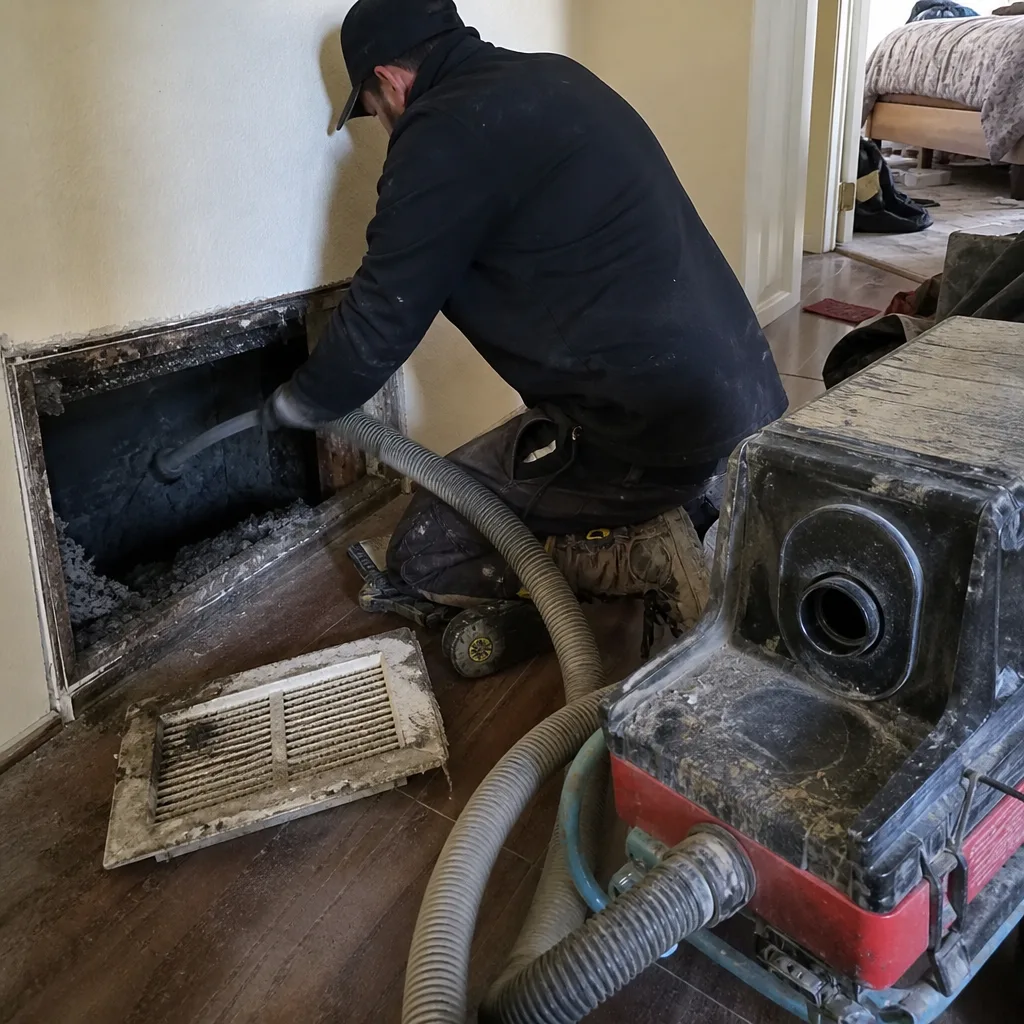
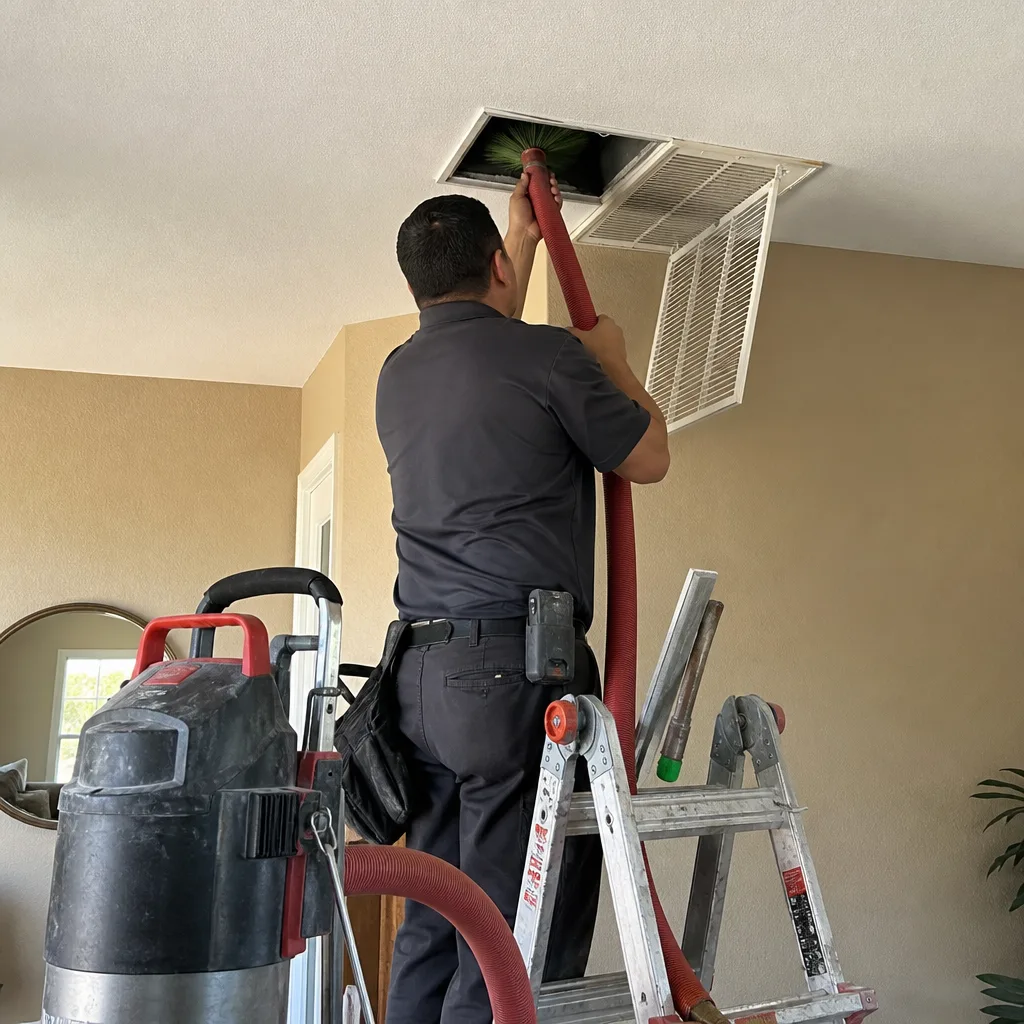
Dust and debris cling to duct walls through static adhesion, condensation residue, and years of accumulated film. A vacuum alone cannot break that bond. This is why mechanical agitation is non-negotiable. The industry standard for professional agitation is a rotary-contact brush system, such as a Rotobrush – a rotating brush head that physically contacts the interior of the duct while a vacuum simultaneously captures loosened debris. Acceptable answers name a specific agitation tool. Red flags: “we use a brush” with no brand or type, or “the vacuum does the cleaning.” A vacuum does not clean. It collects. Agitation cleans.
Question 2: What is the CFM rating on your vacuum unit?
CFM stands for cubic feet per minute – the volume of air the vacuum moves. This one number tells you more about a company’s capability than any marketing claim. A portable consumer-grade shop vac moves somewhere between 100 and 300 CFM. That is insufficient for duct work that may run 30 to 80 feet from the furnace to the farthest register. Professional HEPA extraction units, such as Nikro equipment, typically move 2000 CFM or more. At that volume, the vacuum doesn’t just remove what the brush loosens at the point of contact – it creates negative air pressure that draws debris from the full length of the duct run toward the collection point. Ask for the CFM. If they can’t answer, they’re using consumer tools.
Question 3: Do you set up containment protocols during the job?
Containment means controlling where dust goes when it’s disturbed. A contractor-grade company uses negative air pressure and equipment from manufacturers like Abatement Technologies – the same class of equipment used in mold and asbestos remediation – to ensure loosened particulate is captured, not redistributed into the living space. When a company skips containment, the back side of the cleaning process pushes fine dust through air leaks in the duct connections and into your home. Acceptable answer: “We establish negative air pressure in the system and use containment equipment to prevent dust spread.” Red flag: any response that suggests containment isn’t necessary for “just a duct cleaning.”
The order of operations matters too. We’ve walked into Apple Valley homes where the previous cleaner ran a vacuum with no agitation, then billed for a full system clean. The result is ducts that look marginally better at the register but remain coated at the trunk. The actual cleaning sequence should always be: agitate, extract, contain. If a bid doesn’t describe a two-step process of mechanical agitation plus HEPA extraction, it’s a surface job regardless of the price.
Why a Written Scope of Work Matters More Than Verbal Assurances
In our experience, the most reliable predictor of whether a duct cleaning job gets done properly is whether the proposal describes the work in writing before it starts. Verbal assurances – “we’ll take care of everything” – are worth nothing when there’s a dispute about what was actually performed. A written scope of work is a line-by-line description of exactly what the contractor proposes to do, what equipment they will use, and what the post-job documentation will include. It converts a vague promise into an inspectable commitment.
A legitimate scope of work for Air Duct Cleaning in Apple Valley should enumerate specific line items. Here’s what to look for:
- System assessment: A note that the contractor will inspect the system before cleaning, including supply plenum, return air drop, trunk lines, and branch ducts. If the scope doesn’t mention an assessment st ep, the bid was generated without seeing your system.
- Supply vs. return designation: Supply ducts carry conditioned air from the furnace to the rooms. Return ducts carry room air back to the furnace. They collect different types of debris. A legitimate proposal differentiates between them and describes cleaning both.
- Cleaning method: Specific mention of mechanical agitation (brand is a bonus) and HEPA extraction with CFM or equipment naming. “Clean all ducts” is not a method.
- Register and grille handling: Removal, cleaning, and reinstallation of supply registers and return grilles. These are the visible access points and they accumulate film.
- Filter replacement or notation: A note about the condition of the current HVAC filter and whether replacement is included or recommended.
- Documentation deliverable: Inspection photos before and after, a completion report, and any repair observations noted during the job.
The scope of work is also where a company’s actual capability reveals itself. If the line items are generic – “clean system, remove debris” – the company is likely running a template. If the line items describe the system with specificity – “access and clean supply trunk and all reachable branch runs via rotary brush and HEPA extraction, including removal and cleaning of all supply registers and return grilles” – you’re dealing with an operator who has actually mapped a duct system before. The quality of the scope predicts the quality of the job.
How to Verify NADCA Membership and What It Actually Means
NADCA – the National Air Duct Cleaners Association – is the primary trade association for the industry. Membership is one of the few third-party signals available to homeowners, but it’s important to understand what membership does and does not guarantee.
What NADCA membership requires: member companies agree to follow the ACR (Assessment, Cleaning, and Restoration) standard, which establishes minimum procedures for inspection, cleaning, and documentation. Members must have at least one Air Systems Cleaning Specialist (ASCS) on staff – a technician who has passed NADCA’s certification exam. The ACR standard requires mechanical agitation of all interior duct surfaces, HEPA-filtered collection equipment, and written post-cleaning documentation.
What NADCA membership does not guarantee: it does not send an inspector to your home. It does not audit every job a member performs. It does not guarantee timely arrival, courteous service, or a warranty. A NADCA member can still do rushed work. A non-member can still do excellent work. Membership is a baseline credential, not a performance guarantee.
How to verify membership: NADCA maintains a public directory on its website. Ask the company for their ASCS certification number and look it up in the NADCA directory. If a company claims membership but balks when you ask for verification, that’s a red flag. If a company has no NADCA affiliation, ask what standard they follow. “Our own high standards” is not an answer. A competent operator should be able to point to a written procedure – whether it’s NADCA’s ACR standard or an internal protocol that mirrors it.
The real value of the ACR standard to an Apple Valley homeowner is that it prescribes verification. Under the ACR standard, cleaning isn’t complete until the system is visually inspected post-cleaning to confirm debris removal. That requirement exists because without visual confirmation, neither the contractor nor the homeowner can be sure the work worked. A company that refuses to provide post-inspection photos is declining the only meaningful verification available.
Red Flags Specific to Apple Valley Bids
Apple Valley presents specific conditions that affect both pricing and practice. The high desert climate – with its dry, dusty air, monsoonal winds, and temperature swings from freezing winter nights to 100-degree summer days – means duct systems here accumulate a distinctive mix of fine grit, blown sand, and seasonal debris. A bid generated from a national pricing chart without any mention of system condition should raise immediate suspicion.
Here are the red flags we see most often in Apple Valley bids:
- Unusually low flat rates with no system size assessment: A meaningful duct cleaning price depends on the number of vents, the size of the home, the type of system, and the accessibility of the ducts. A flat “any home, any system” rate of $99 or $149 is an upsell vehicle, not a cleaning bid. The total invoice after “necessary add-ons” will land somewhere a legitimate quote would have started.
- No mention of supply vs. return differentiation: Return ducts move dust-laden air toward the filter and accumulate more debris than supply ducts. A proposal that lumps supply and return together as “ducts” suggests the contractor isn’t actually thinking about your system as a system.
- No inspection before quoting: A contractor who quotes without looking at the system is either planning to upsell later or planning to underdeliver. The scope of a duct system – its layout, condition, prior repairs, access points – is not discoverable from a phone call.
- No reference to equipment used: Apple Valley has its share of franchise-style operations running consumer-grade tools out of a van. If the bid doesn’t name equipment, assume the equipment doesn’t have a name worth mentioning.
- “Cleaning only” proposals when repair is indicated: Duct systems in the High Desert endure thermal expansion and contraction. Disconnected joints, separations, and kinked flex runs are common findings. A legitimate contractor will note these issues. A cut-rate cleaner will blow past them because repairing Air Duct Repair in Apple Valley is outside their ability.
None of these red flags are disqualifying on their own. A good company can occasionally under-scope a bid. But two or more red flags on one proposal is a strong signal to walk away.
What a Post-Cleaning Deliverable Should Include
The final hour of a duct cleaning job is when the quality of the contractor becomes visible – or fails to. After the equipment is packed up, you should be handed a documentation package that confirms the work was performed and describes what was found. If the contractor hands you an invoice and nothing else, you have no way to know whether the ducts were actually cleaned, partially cleaned, or simply vacuumed at the register openings.
A legitimate post-cleaning deliverable from a contractor-grade operator includes three components:
Inspection photos
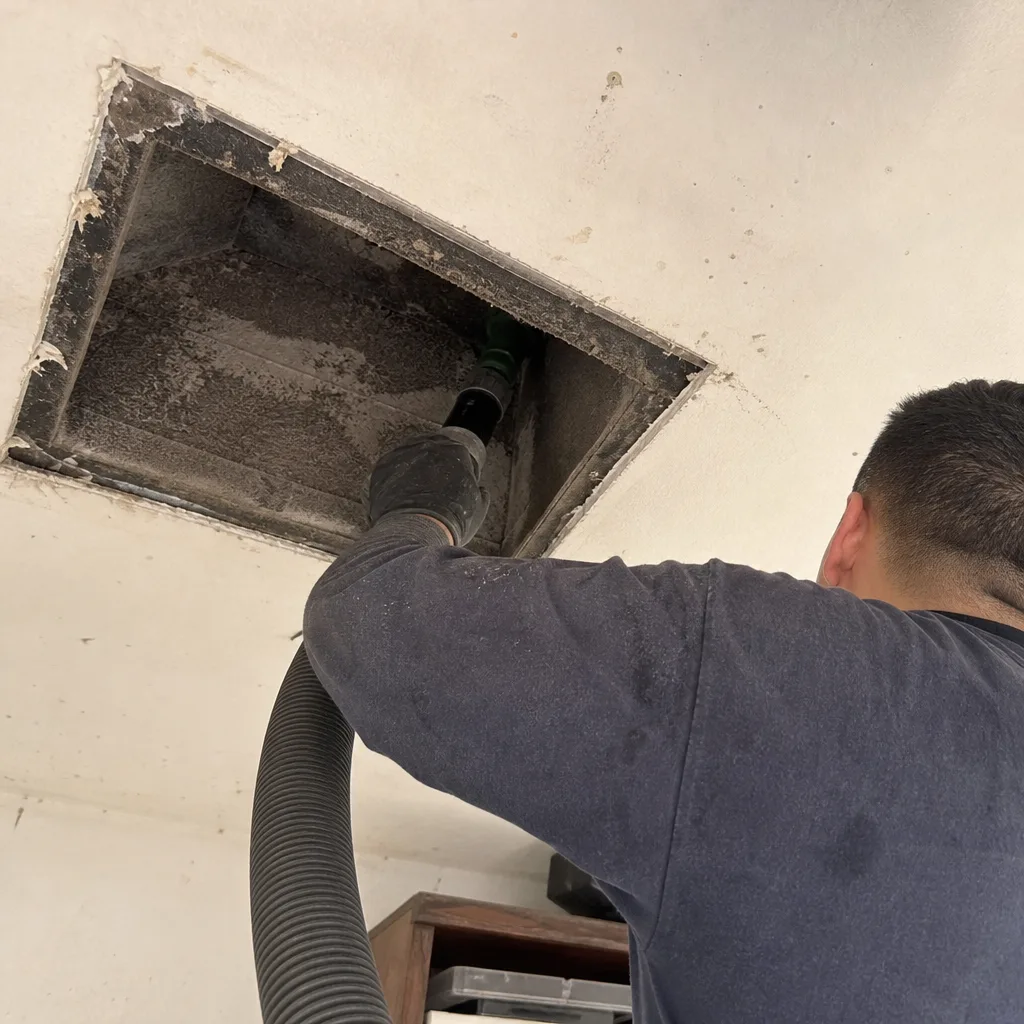
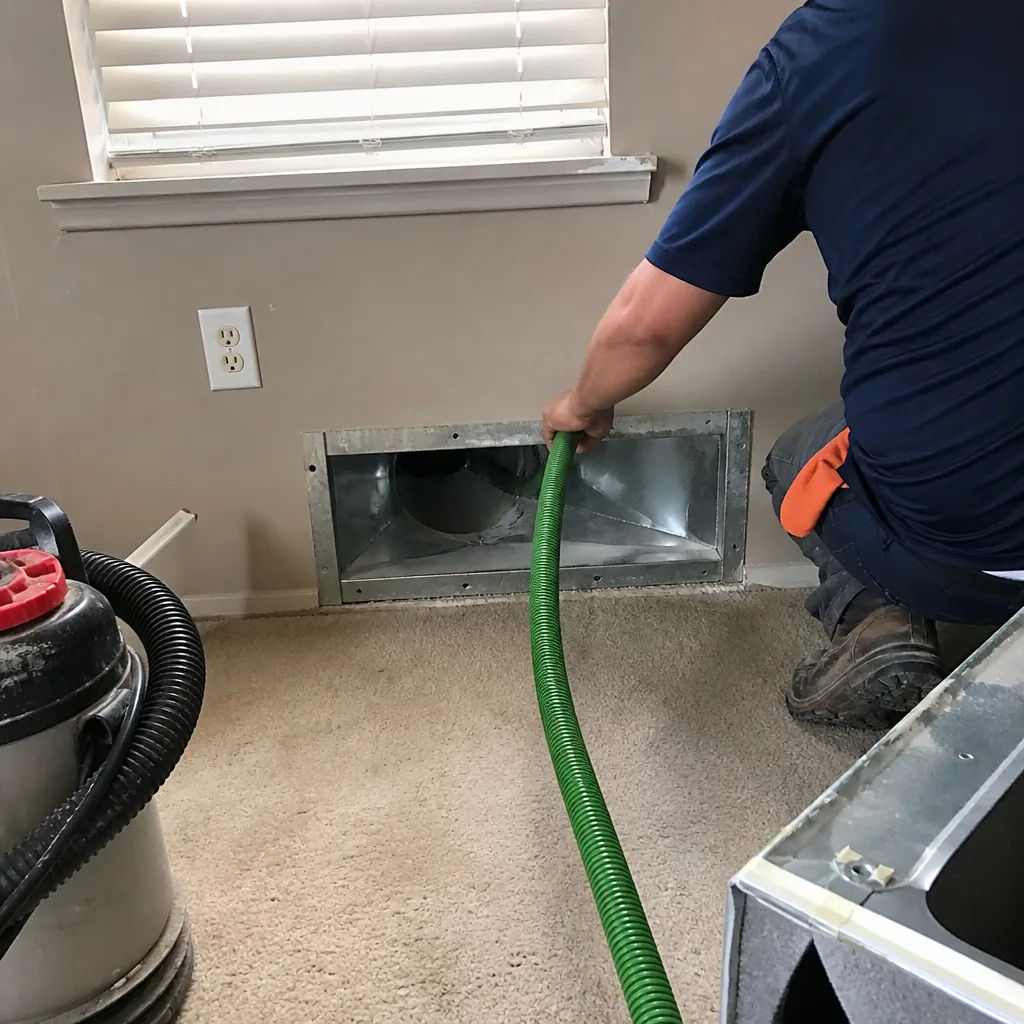
Before-and-after photos of the duct interior. Specifically: at least one supply trunk before cleaning, the same location after cleaning, and ideally a before-and-after of a branch run or return drop. These photos should be date-stamped and labeled with the location. If a company pushes back on photos – “we don’t do that” – ask what verification they offer instead. If the answer is “our word,” terminate the conversation. Digital inspection cameras are standard equipment for any serious operator.
A signed completion report
A one-to-two page document that records what was cleaned, what was found, and what remains outstanding. At minimum, it should list: the date of service, the technician’s name, the scope of the system (number of registers and grilles cleaned), the method and equipment used, the condition of the filter, any damage or disconnection observed during cleaning, and a note on whether the system is operating normally. If a system anomaly was found – a disconnected return, a crushed flex run – it should be noted here with a recommendation for repair, whether or not you choose to authorize it that day.
Filter change notation
The completion report should note the condition of your HVAC filter at the time of service and whether the technician replaced it or recommended replacement. Duct cleaning extends the life of a new filter, but a clogged filter undermines the result. If the contractor found a collapsed media filter or evidence that the filter had been bypassed, that’s a finding worth documenting.
A final note on documentation: it serves you, not the contractor. The before-and-after photos are your only objective evidence that cleaning occurred. The completion report is your only record of what was found. If you ever sell the home, these documents become part of the system’s maintenance history. Legitimate companies want to provide them. Cut-rate operators want you to forget the job ever happened.
A Step-by-Step Screening Process for Apple Valley Homeowners
Here is the full screening process we recommend for Apple Valley homeowners. It takes less than 30 minutes on the phone before scheduling and it will eliminate most of the operators who shouldn’t be in your home.
- Request a written scope of work before the visit. Ask what they will clean, what method they will use, and what documentation they will provide. If they can’t produce a written scope, end the call.
- Ask the three equipment questions. Agitation method (looking for a named rotary-contact system), vacuum CFM (looking for 2000+), containment protocols (looking for named containment or negative-air equipment). Note their answers.
- Verify NADCA membership if claimed. Ask for the ASCS certification number. Look it up in the NADCA directory.
- Ask for a system assessment prior to final pricing. A legitimate contractor will want to see the furnace, the return arrangement, and at least a few register locations before committing to a number.
- Ask what happens if they find damage or disconnection during cleaning. A legitimate answer describes how they document it, what they recommend, and whether repair is something they can handle. A Duct Cleaning Apple Valley home with a documented repair capability is the right kind of contractor to find.
- Confirm the post-cleaning deliverables in writing. Before photos, after photos, completion report, filter notation. Get it in the scope of work.
- Schedule. And when the technician arrives, ask them to walk you through the system before touching anything. A technician who can’t explain what they’re about to do is a technician who doesn’t understand what they’re about to do.
One note specific to Apple Valley: the dry climate means dust is a year-round reality. Duct cleaning is not a seasonal maintenance item tied to furnace season. A system in Apple Valley accumulates dust in July as fast as it does in January. If a contractor pushes a “pre-winter special” in October, the special exists to fill their schedule, not because your system needs less cleaning in June.
Common Mistakes to Avoid
- Hiring on price alone. The cheapest bid in Apple Valley is almost certainly a performance, not a deal. Ducts are not a commodity. The cost difference between a professional clean and a surface vacuum is the cost of the equipment required to do the job properly.
- Trusting “NADCA certified” without verification. Anyone can type those words on a website. Ask for the certification number and look it up. If the number is real, good. If the number is absent, walk.
- Not asking about agitation. This is the single most important question in the whole process. A vacuum without agitation is a fan. A fan does not clean ducts.
- Accepting an invoice as proof of work. An invoice proves you paid. It does not prove the ducts were cleaned. Before-and-after photos are the only verification that matters.
- Ignoring dryer vents. Air duct cleaners often don’t offer Dryer Vent Cleaning in Apple Valley, and dryer vent cleaners don’t do air ducts. If a company treats dryer vents as an add-on, ask whether they actually clean the full vent run or just the short section visible behind the dryer. Lint fires start in the concealed run. If you’re hiring anyway, the dryer vent should be on the scope.
- Not checking what “cleaning” includes for registers and grilles. Some companies clean the ducts but leave the register faces coated in the same film that was there before. Registers and grilles are part of the airstream. If they’re not cleaned, the system isn’t clean.
- Forgetting to replace the filter after the job. The cleanest ducts in Apple Valley won’t stay clean with a clogged filter. The contractor should note filter condition. You should replace it. New cleaning, new filter.
When to Call a Professional
A professionally cleaned duct system is not a luxury. It’s the baseline condition of equipment you rely on every day. In Apple Valley, with the high desert wind loading dust into every exterior opening, systems here work harder for air quality than systems in coastal cities. Specific triggers for the phone: visible dust blowing from registers when the system starts, a persistent fine dust film on furniture within days of cleaning, a musty odor when the HVAC runs, a home inspection note flagging duct condition, or construction or renovation residue trapped in the returns. If you’ve never had the system cleaned and you’ve owned the home more than five years, the system is due. Duct Cleaning Apple Valley offers free estimates for Apple Valley homeowners. Call (855) 619-4509 and we’ll walk the system with you before quoting anything.
See the difference
 Before
 After
 Before
 After
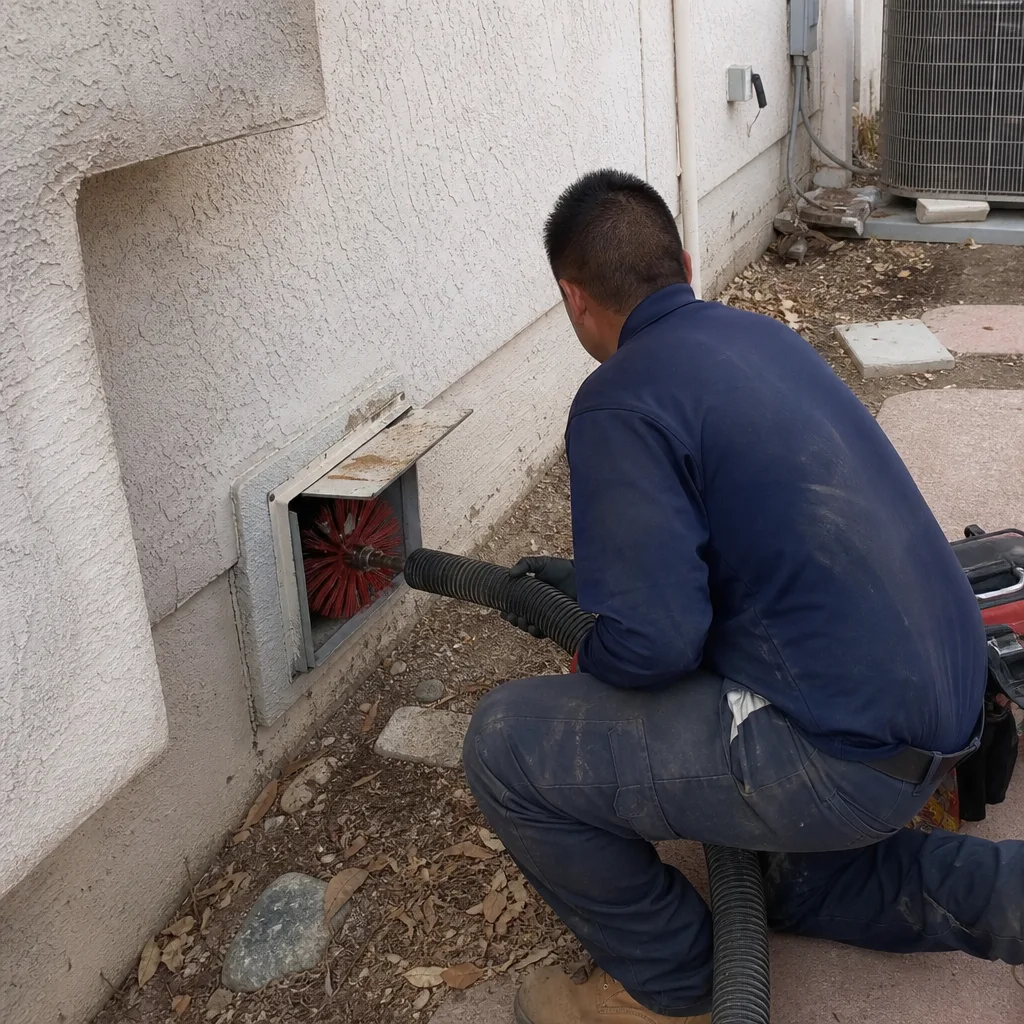 Before
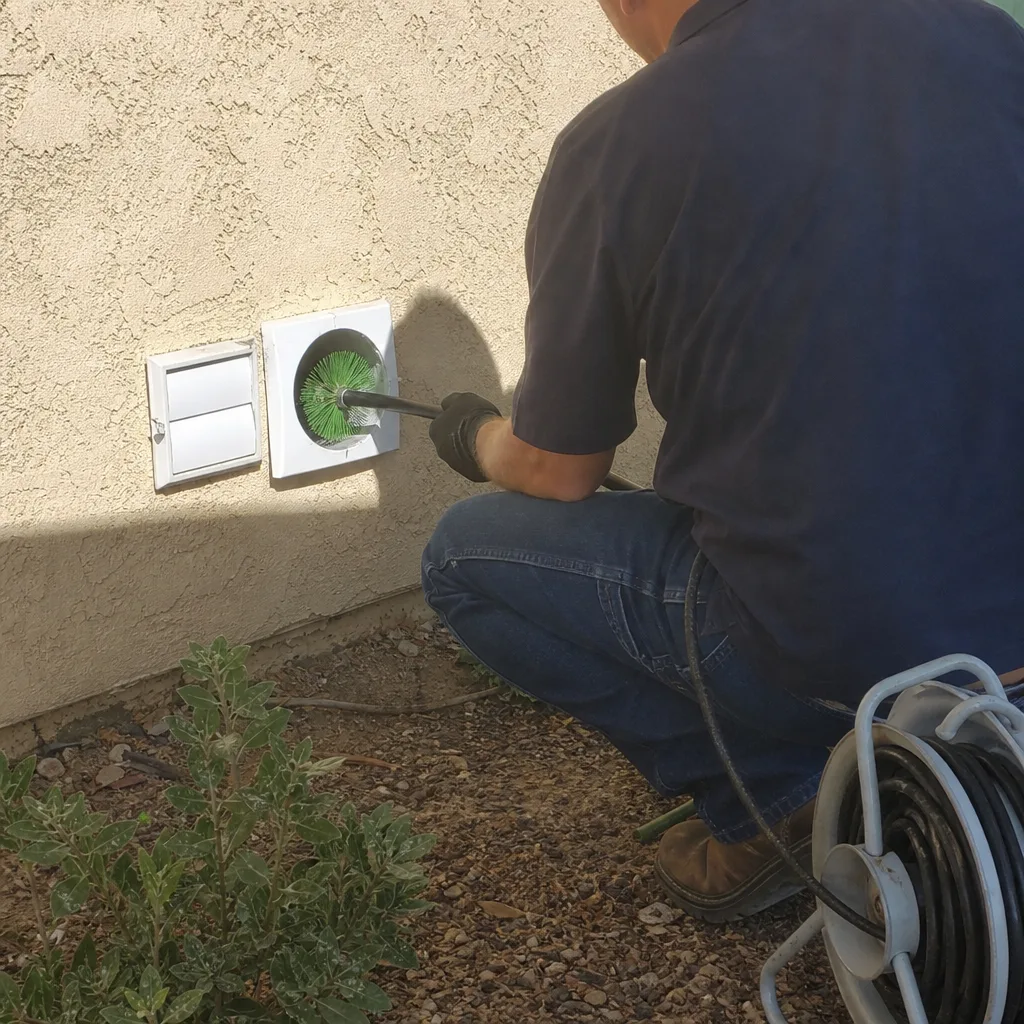 After
Frequently Asked Questions
Air duct cleaning in Apple Valley typically runs from $350 to $900 for a full system, depending on home size, number of vents, system accessibility, and whether dryer vent cleaning or duct repair is included. See our Air Duct Cleaning Cost Breakdown: The Apple Valley Homeowner’s Reference for 2026 for detailed pricing factors. Flat-rate pricing under $200 usually indicates a surface-level job or a planned upsell once the technician arrives. Call (855) 619-4509 for a free estimate based on your actual system.
The only reliable verification is before-and-after inspection photos of the duct interior, provided as part of a signed completion report. A contractor who provides camera inspection documentation is showing you the work. A contractor who provides only an invoice is asking you to take their word. Insist on photos in the scope of work before the job starts.
Cheaper quotes generally reflect cheaper equipment: a portable vacuum with a brush attachment instead of a truck-mounted HEPA extraction unit with rotary agitation. The lower CFM can’t pull debris from full-length duct runs, so the job focuses on what’s reachable from each register. The result is a partial clean at a partial price. If the quote doesn’t name the equipment, assume the equipment isn’t worth naming. Call (855) 619-4509 for a quote that specifies equipment and method in writing.
In the Apple Valley climate, most homes benefit from a full duct cleaning every three to five years, sooner if you have pets, recent construction dust, or a family member with environmental allergies. The high desert wind loads dust into the system faster than coastal climates do. More frequent cleaning is not harmful, but it should be justified by system inspection, not a reminder postcard.
No. California does not require NADCA certification to perform air duct cleaning. This is why the equipment and scope-of-work questions matter more than a patch on a uniform. NADCA membership is a useful signal of baseline competence, but it’s not a regulatory requirement and it’s not a substitute for verifying the actual method and equipment a company uses.
Sometimes, but not always. Debris buildup, collapsed flex runs, and disconnected joints all restrict airflow, and a professional cleaning with camera inspection will reveal which of these is the problem. If the restriction is debris, cleaning restores airflow. If the restriction is structural – a disconnected return, a collapsed duct – cleaning alone won’t fix it. That’s why the post-cleaning report matters: it tells you what was cleaned and what remains. For structural issues, air duct repair is a separate service that a full-service contractor can perform in the same visit.
The Bottom Line
Hiring an air duct cleaning contractor in Apple Valley is a filtering exercise. Most companies in the market are running equipment that cannot deliver the service they advertise. The three equipment questions – agitation method, vacuum CFM, containment protocols – will disqualify most bids in five minutes. A written scope of work will disqualify the rest. The post-cleaning documentation is your insurance that the money wasn’t wasted. Do the screening. Ask the equipment questions. Get the photos. And if you’re ready to talk to a contractor who can name every piece of equipment in the van and document every square foot of duct cleaned, call (855) 619-4509 for a free estimate.
Written by the team at Duct Cleaning Apple Valley, serving Apple Valley since 2013.