
Last updated November 2, 2026
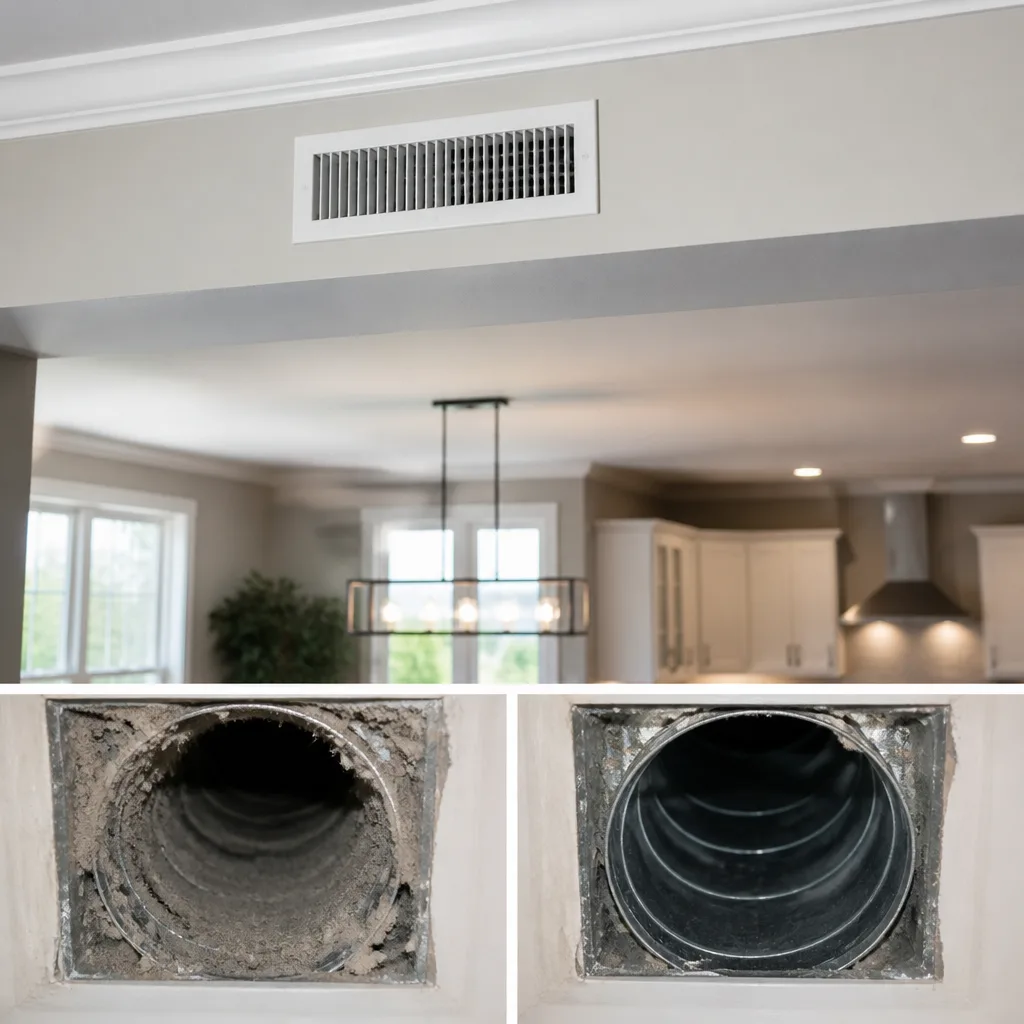 Whole-home duct cleaning
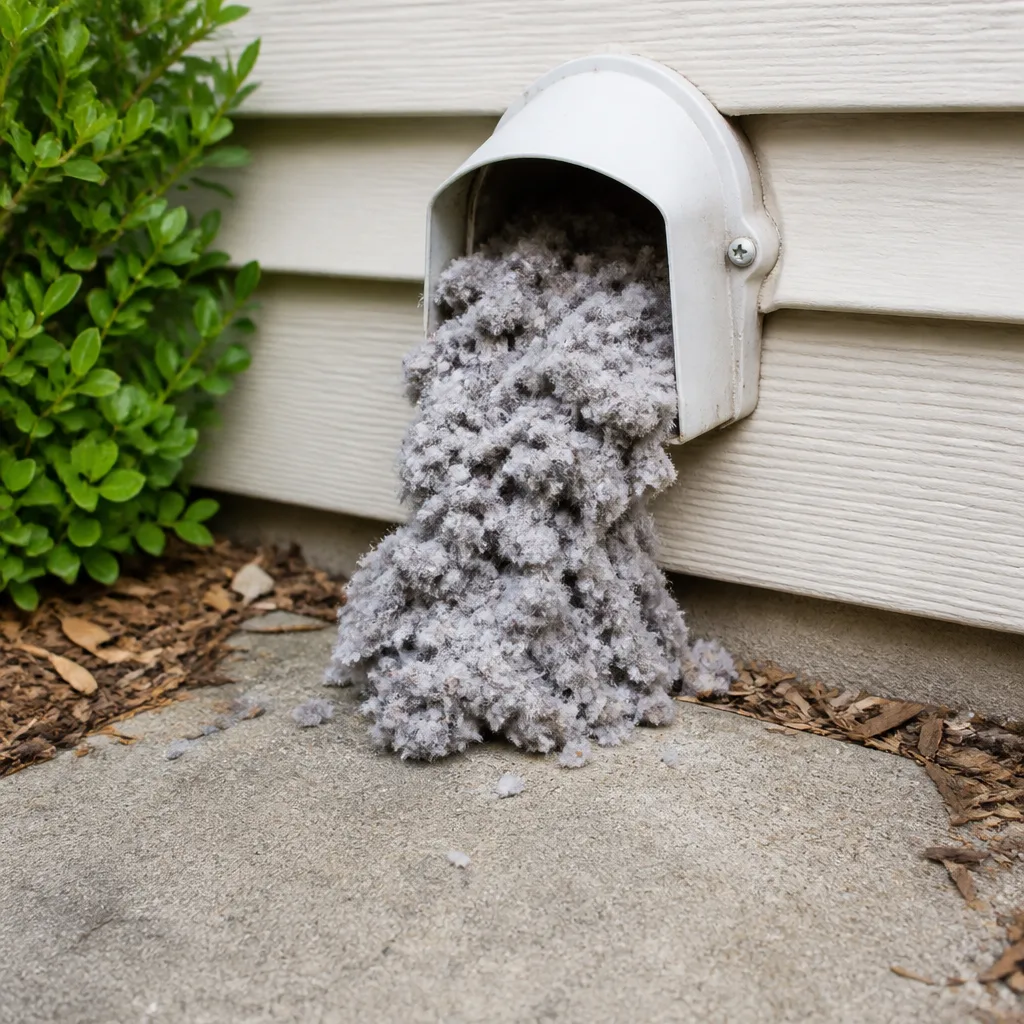 Dryer vent cleaning
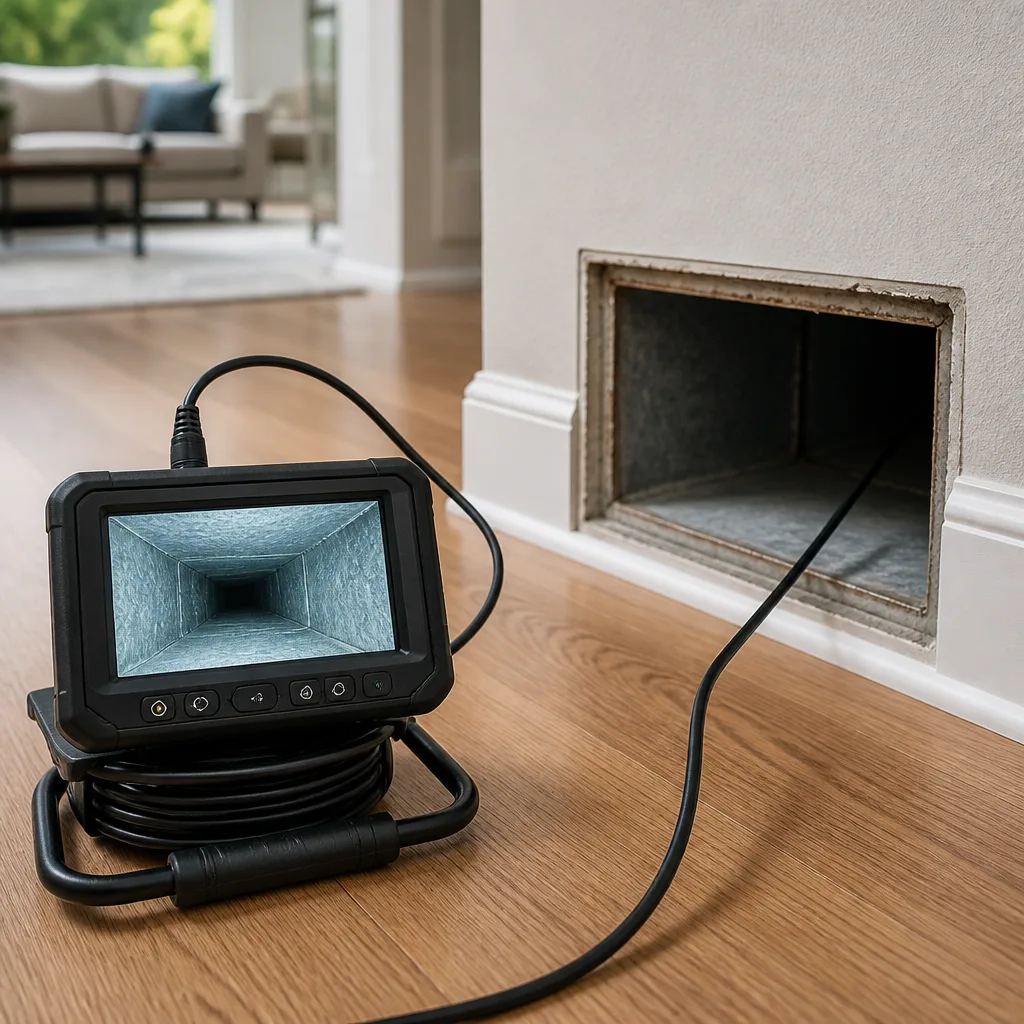 Camera inspection
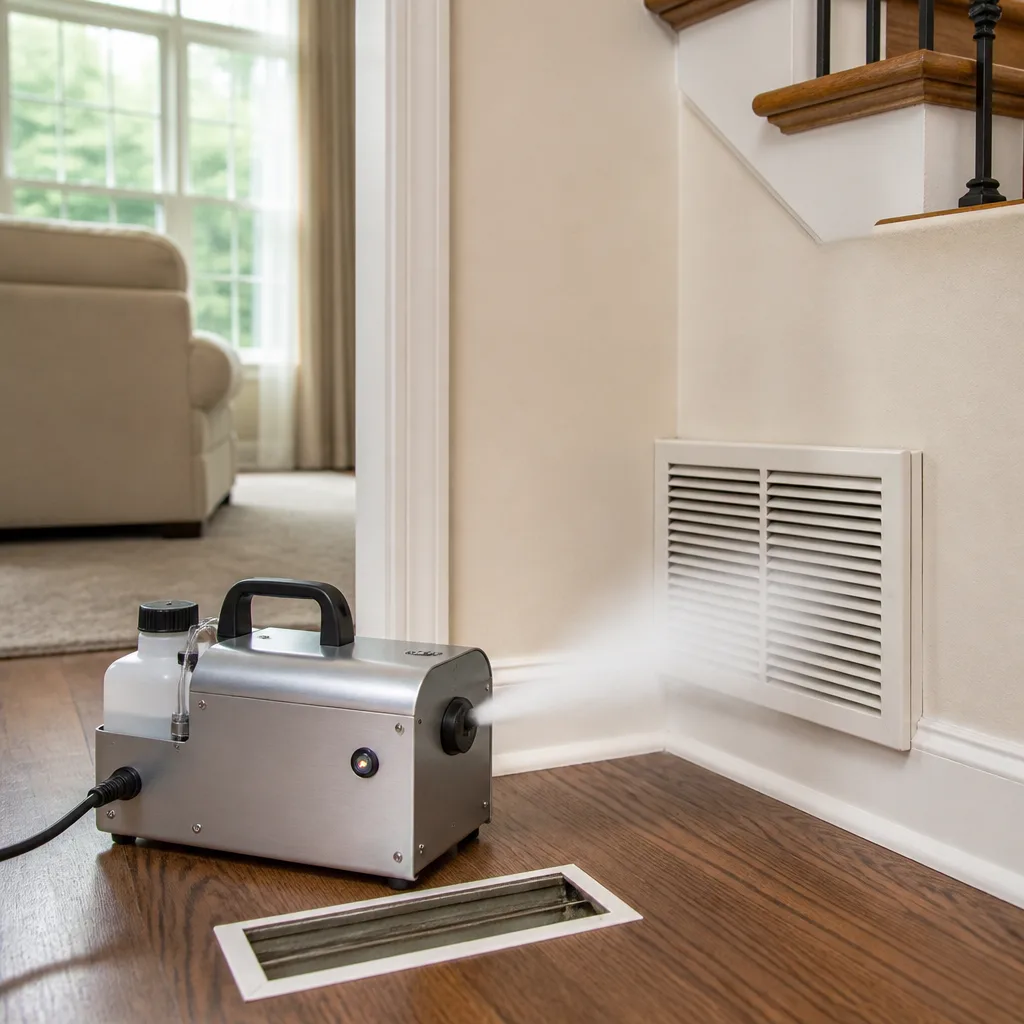 Sanitizing & deodorizing
Whole-system duct and dryer vent check with before-and-after photos - you see exactly what came out of your vents
That "$99 whole-house special" is a bait ad - the real number appears once they are in your hallway, or the "clean" is a shop-vac at the register. We photograph the inside of your ducts before and after instead.
Air Duct Cleaning Emergency Preparedness Guide for Apple Valley Homes
Most emergency preparedness checklists for Apple Valley homes cover the basics: water, food, batteries, a radio. Almost none mention the single largest air-exposure surface in your house – the duct system. When wildfire smoke settles into the High Desert or a windstorm pushes fine particulate through every crack in the building envelope, your HVAC ducts don’t just sit there. They collect it. After the 2020 Bobcat Fire, HVAC contractors across the Victor Valley saw a surge in service calls from homeowners whose systems had been running during smoke events, pulling contaminated air through the return, concentrating debris in the air handler, and then redistributing it on every heating and cooling cycle that followed. This guide and our Air Duct Cleaning Maintenance Checklist for Apple Valley Homeowners explain exactly what to do before, during, and after a smoke or wind event – before you call anyone.
Styles & brands we work with
- Whole-home duct cleaning
- Dryer vent cleaning
- Camera inspection
- Sanitizing & deodorizing
Quick Answer
Air Duct Cleaning emergency preparedness in Apple Valley means shutting down the HVAC system during wildfire smoke or heavy wind events, documenting filter and system condition with photos, and scheduling a documented cleaning with HEPA extraction – not a surface-level vacuuming – before the next seasonal use. Homes that run their systems through a smoke event typically require more extensive remediation, not just a routine cleaning. Taking photos, swapping filters, and knowing when to call a professional are the three highest-value actions a homeowner can take.
Table of Contents
- Smoke Infiltration Protocol: What to Do Immediately
- Post-Event Inspection Checklist for Apple Valley Homes
- How to Document System Condition for Insurance
- Emergency Duct Cleaning vs. Routine Duct Cleaning
- Pre-Season Preparedness: Filter Upgrades and Inspections
- Dryer Vent Safety During Wind and Fire Season
- When Cleaning Alone Won’t Fix the Problem
- Common Mistakes to Avoid
- When to Call a Professional
- Frequently Asked Questions
- The Bottom Line
Smoke Infiltration Protocol: What to Do Immediately
When an Apple Valley wildfire smoke event begins, the first hour matters more than the week that follows. The mistake most homeowners make is keeping the HVAC fan running to “filter the air” – which actually pulls smoke through the return, past the filter, and into the coil and supply ducts. Here is the sequence we recommend, based on what we’ve observed in systems throughout the Victor Valley after smoke events:
- Switch the thermostat to OFF. Not “fan on,” not “cool.” Full off. This stops the blower from drawing smoke through the return and distributing it.
- Close all windows and exterior doors. Smoke enters through any gap. Keep it out of the living space, not just out of the ducts.
- Note the filter type and install date. If you have a 1-inch fiberglass filter, smoke will pass through it almost unimpeded. If you have a MERV 13 or better, it will capture more – but even a MERV 16 won’t protect the system if the fan keeps running.
- Photograph the filter before touching it. This documents pre-remediation condition for insurance purposes. The filter is the single best evidence of what entered the system.
- Check the condensate drain and drain pan if accessible. Smoke particulates settle in the moist drain pan of the air handler, creating a slurry that dries into a residue. The state of that pan helps determine whether cleaning is routine or remedial.
Running the system during a smoke event doesn’t just make the air dirtier. It turns the evaporator coil into a sticky capture surface. Smoke particles are fine enough to lodge in the coil fins, where they mix with normal condensation and bond to the metal. Once that happens, a standard duct cleaning won’t address it – the coil itself needs attention, and the air handler may need to be opened. In Apple Valley, where summer temperatures push 100°F and fall brings Santa Ana-adjacent wind patterns, a smoke event can last days. The system needs to stay off until the air clears and the ducts have been assessed.
Post-Event Inspection Checklist for Apple Valley Homes
Once the smoke clears or the wind event ends, walk through this checklist before you turn the system back on. These are the specific failure points we see again and again in Apple Valley homes, and they rarely show up on a generic national checklist.
Where to look and what to look for
- Return grilles: Use a flashlight to check the backside of the return grille and the first few inches of the return duct. Smoke residue leaves a gray-brown film. Wind-blown dust from the Mojave often leaves a redder, finer grit. If you see either, the system pulled contaminated air.
- Supply registers: Remove one or two and wipe a white cloth inside the duct wall. If the cloth comes back dark or the duct wall feels gritty, particulates made it past the filter and into the supply side.
- Air handler drain pan: If you can access it safely, check for sludge. In High Desert smoke events, the pan often collects a paste-like mixture of smoke particles, dust, and condensate. This is a strong indicator the coil was wetted with smoke-filled air.
- Evaporator coil surface: Shine a light on the coil. A clean coil is aluminum or copper colored. A smoke-impacted coil looks darkened, sometimes with a sticky film. Coil condition is the difference between a quote for duct cleaning and a quote for coil cleaning plus duct cleaning.
- Blower wheel blades: The blower wheel is downstream of the filter in most systems and upstream of the coil in others. If its blades hold visible dust buildup, the system circulated unfiltered or underfiltered air during the event.
- Flex duct connections: High-desert wind events create pressure changes, and flex duct can separate at the plenum or at register collars. Look for collapsed or sagging sections in the attic if accessible. Disconnected ducting pulls attic air, which after a smoke event is contaminated air.
If two or more of these checkpoints show contamination, the system likely needs more than a filter swap. If the duct connections are compromised, the issue is structural – and no amount of cleaning will fix a leak. The Air Duct Repair in Apple Valley work that follows a wind event often uncovers separated joints that were marginal before the storm and fully failed during it.
How to Document System Condition for Insurance
Insurance adjusters respond to evidence, not assertions. A homeowner who says “there’s smoke in my ducts” without documentation faces an uphill claim. A homeowner who submits dated photos, filter condition, and a contractor’s written assessment has a much stronger case. Here is the documentation sequence we recommend before you call any contractor:
- Photograph the filter in place. Take a clear photo of the filter while still in the return, then remove it and photograph both sides. Include a timestamp. The filter captures what entered the system during the event.
- Log your HVAC runtime. If you have a smart thermostat with usage history, export or screenshot the runtime data for the days of the smoke or wind event. This proves whether the system was running while contaminated air was present.
- Photograph every return and supply grille. Show surface condition before any cleaning. Macro shots of grime on the back of a grille are compelling evidence.
- Record wind and smoke dates. Note the exact dates of the event, and if possible reference CalFire or NWS documentation. Apple Valley sits in San Bernardino County, where incident reporting is publicly available – adjusters accept these records.
- Request a written assessment from your HVAC contractor. Before agreeing to cleaning, ask for a written finding: which components show contamination, what the likely source was, and what remediation is recommended. This document anchors the claim.
We’ve helped Apple Valley homeowners through this process, and the pattern is consistent: the claims that succeed are the ones with photos taken before anyone touched the system. The claims that stall are the ones where cleaning happened first and documentation came second. In an insurance context, the filter is not a replaceable part – it is a piece of evidence. Treat it that way.
Emergency Duct Cleaning vs. Routine Duct Cleaning
Not all duct cleanings are the same job. A routine cleaning removes accumulated household dust, hair, and general debris. A post-event cleaning in Apple Valley addresses smoke residue, fine particulate intrusion, and sometimes wind-driven soil. The difference affects the equipment, the process, and the outcome.
Routine cleaning typically involves:
- Broad agitation of duct interiors to loosen general debris
- HEPA vacuum extraction at the trunk line or register points
- Filter replacement and basic system check
Post-smoke or post-wind-event cleaning requires:
- Assessment of the evaporator coil and blower wheel, not just the ducts
- Containment protocols – using negative-air equipment like Abatement Technologies units to prevent cross-contamination of the living space during extraction
- Mechanical agitation at a higher level, since smoke residue bonds more tightly than dust
- Air handler inspection and drain pan cleaning
- Verification that duct connections and seals survived the event, or repair where they didn’t
The containment piece matters more than most homeowners realize. If a contractor agitates smoke-laden ducts without negative-air containment, the process can release captured particulates into the living space – the opposite of remediation. This is why we run Abatement Technologies negative-air equipment during post-event cleanings in Apple Valley. It’s the same class of containment used in professional remediation work, and it keeps what’s in the ducts from ending up in the hallway. An Air Duct Cleaning in Apple Valley job after a smoke event is not a maintenance task. It is a remediation task with extra steps, and the process should reflect that difference.
Pre-Season Preparedness: Filter Upgrades and Inspections
The best emergency response is the preparation that happens before the emergency. For Apple Valley homeowners, that means thinking in terms of fire season (roughly June through November) and wind season (October through April, with spring gusts). Here is what we tell homeowners to do before the next event, not after it, with more guides & resources available on our blog.
Filter upgrades that actually matter
A standard 1-inch fiberglass filter captures large debris and almost nothing else. During smoke events, that means nearly all particulate passes through. The practical option is a higher-MERV pleated filter – MERV 11 to MERV 13 for most residential systems – which captures a meaningful percentage of smoke particulates. The caveat: higher-MERV filters restrict airflow, which matters more in Apple Valley where summer loads push systems hard. Have a professional verify that your blower can handle the added resistance before making the switch. We install Honeywell and Aprilaire filtration products, including media cabinets that hold higher-MERV filters without the pressure drop of a 1-inch pleated filter stuffed into a standard slot.
Pre-season inspection checklist
- Duct leakage test: If your ducts are leaking, every smoke event will draw contaminated attic or crawlspace air directly into the system, bypassing the filter entirely.
- Coil condition baseline: Photograph the coil now. That gives you a comparison point if post-event inspection shows new buildup.
- Drain pan and condensate line: A clear drain line means fewer places for smoke particulates to accumulate and bond during the next event.
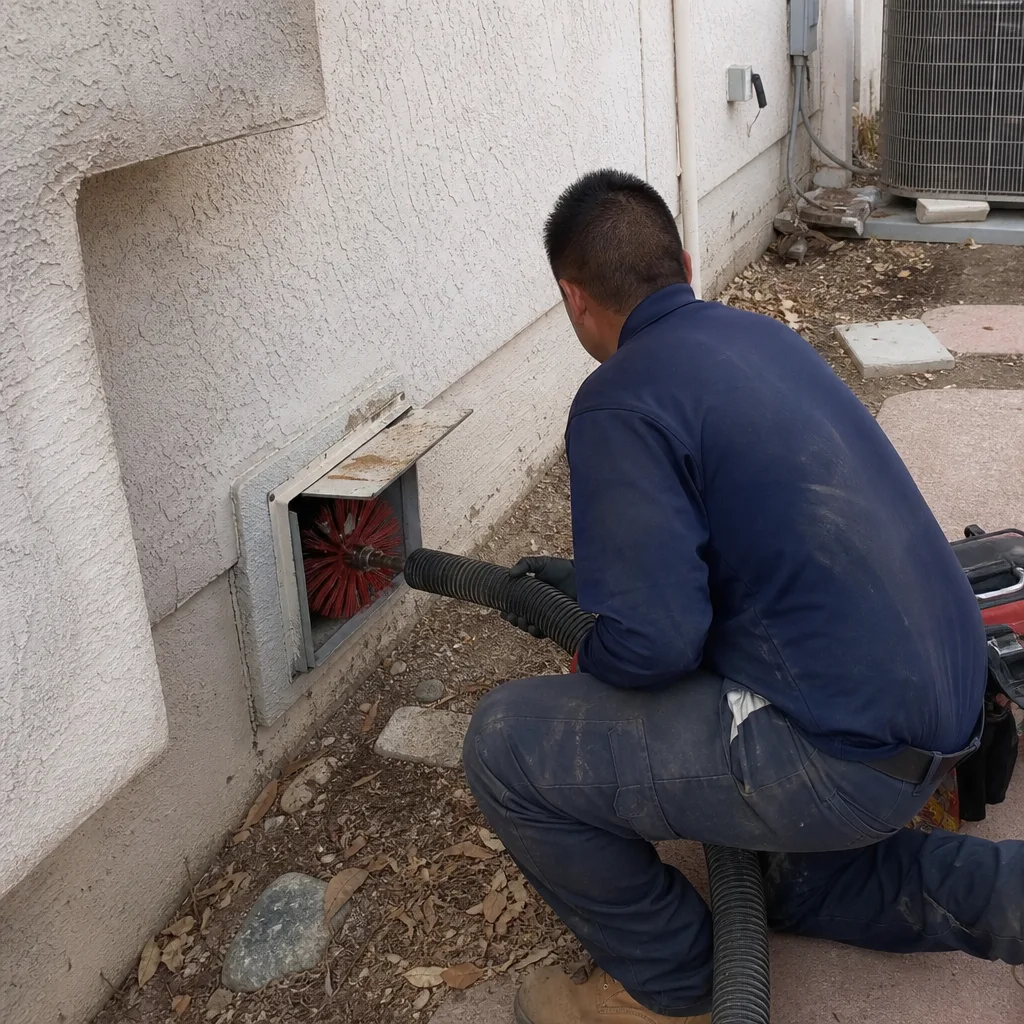
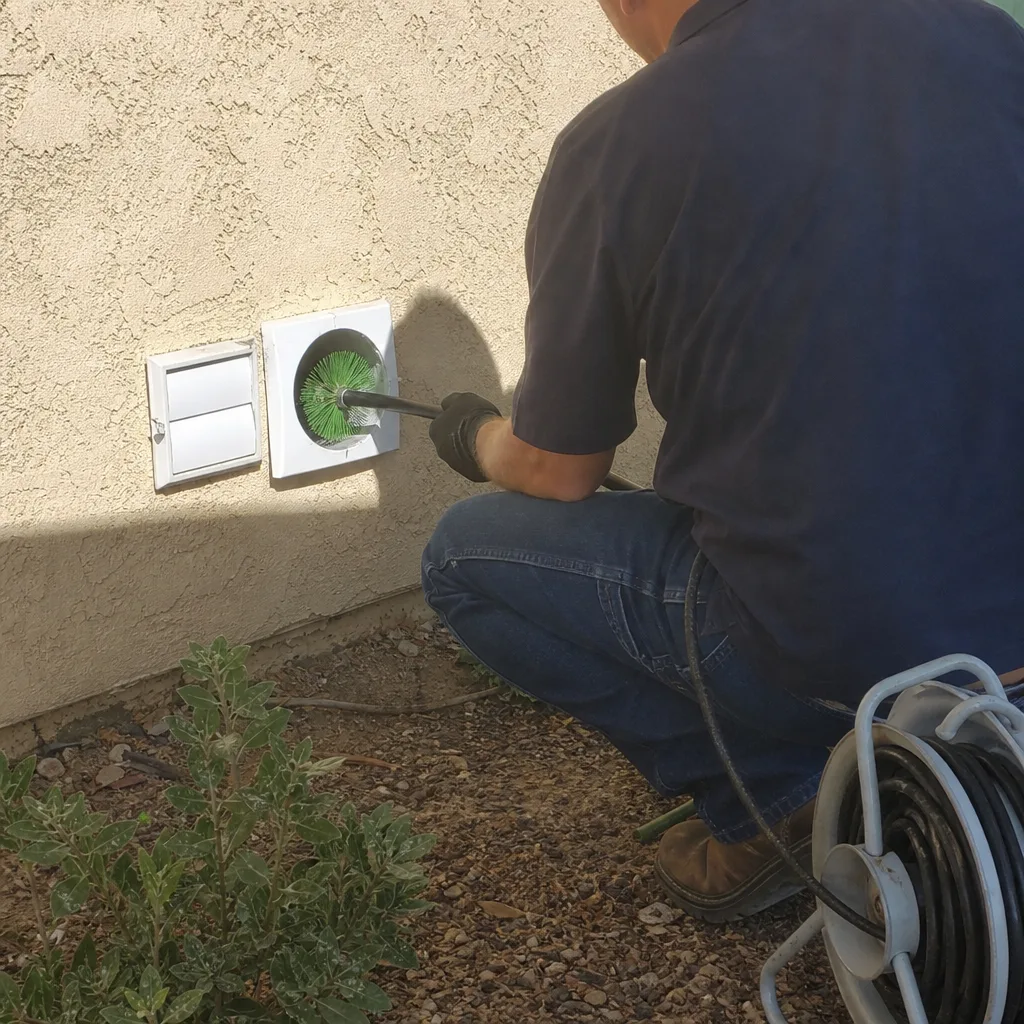
- Dryer vent run: A clogged dryer vent is a fire risk every day, but during a smoke event it adds another point of air exchange with the outdoors. The Dryer Vent Cleaning in Apple Valley service that runs before fire season addresses this.
- Filter schedule: Write the next filter change date on the filter frame. During fire season, check monthly regardless of the nominal rating.
Homes that complete this prep before an event typically need a lighter remediation afterward. Homes that wait until the smoke arrives are the ones that end up with coil contamination and full duct remediation.
Dryer Vent Safety During Wind and Fire Season
Dryer vents are the overlooked air-exchange point in most Apple Valley homes. A 4-inch duct runs from the dryer to the exterior, and during wind events it becomes a two-way street: lint goes out, fine dust comes in. During smoke events, the vent terminal lets contaminated air into the laundry room if the damper flap doesn’t seal properly.
More important is the pre-existing condition. Lint accumulates in dryer vents at a rate most homeowners underestimate. A vent that is already 50% restricted before fire season becomes a hazard in two ways: it elevates dryer operating temperature, and it concentrates whatever blows in from outside. The National Fire Protection Association consistently identifies dryer vent fires as a leading residential fire cause, and the risk elevates when vents haven’t been cleaned in years. In Apple Valley’s dry climate, lint dries quickly and becomes highly combustible. Cleaning the dryer vent annually – and verifying that the exterior damper seals correctly – is a preparedness step that belongs on the same checklist as swapping the HVAC filter.
When Cleaning Alone Won’t Fix the Problem
After a wind event, some duct systems are not dirty – they’re damaged. The distinction matters because cleaning a broken system is wasted money. Here is what we find in Apple Valley homes after sustained High Desert wind:
- Separated flex duct at register collars: Pressure changes from wind can pop duct connections loose, especially where flex was originally installed with only a zip tie and tape.
- Collapsed duct sections: High attic temperatures plus age can cause flex duct to sag and collapse, restricting airflow in ways that look like “dirty ducts” but are actually structural.
- Damaged or missing duct insulation: Torn insulation causes condensation in cooling season, which collects dust and creates damp conditions inside the duct run.
- Plenum separation at the air handler: A hard wind event that shakes the structure can break the seal at the plenum, pulling attic air directly into the supply side.
When we perform a Duct Cleaning Apple Valley home assessment after an event, we’re looking for these structural failures because they determine whether cleaning is sufficient or whether repair must happen first. The repair service we offer is not an upsell. It’s the difference between a system that stays clean and one that re-contaminates itself within weeks because it’s still pulling unfiltered attic air. In Apple Valley, where attics collect years of fine High Desert dust, a leaking duct is a permanent contamination source.
Common Mistakes to Avoid
- Running the HVAC fan during a smoke event to “clean the air.” This concentrates smoke particulate in the coil and ducts. The system should be off, not running.
- Replacing the filter and assuming the system is fine. The filter captures some of what passes through, but smoke particles that reach the coil or supply ducts stay there until mechanically removed.
- Hiring a low-cost duct cleaner who doesn’t run HEPA extraction or containment. Agitating contaminated ducts without proper extraction redistributes debris into the living space. In Apple Valley, post-event cleaning requires containment protocols, not just a brush and a shop vac.
- Failing to photograph the filter before discarding it. The filter is the primary evidence for an insurance claim. Once it’s in the trash, that evidence is gone.
- Ignoring dryer vent condition during fire-prep season. A clogged dryer vent is a fire hazard that compounds when smoke events add to the contamination load.
- Cleaning a system with damaged duct connections. If flex duct has separated at the plenum or registers, cleaning is cosmetic. The system will re-contaminate immediately. Repair comes first.
- DIY coil cleaning attempts. The evaporator coil is fragile, and the cleaning products sold at retail can damage aluminum fins or leave residue that reduces efficiency. This is a professional task.
When to Call a Professional
Call a professional if your post-event inspection shows residue at returns or supplies, if the filter shows smoke staining, if the dryer vent hasn’t been cleaned in over a year, or if you find disconnected or sagging ducts in the attic. Also call if you’re filing an insurance claim and need a written system assessment. Duct Cleaning Apple Valley offers free estimates in Apple Valley – call (855) 619-4509 to schedule a walkthrough. A visual assessment takes under an hour, and it gives you a documented starting point whether you proceed immediately or wait.
Frequently Asked Questions
Post-event duct cleaning in Apple Valley typically ranges from $450 to $900 for a single-system home, depending on the number of returns, the extent of smoke residue, and whether the coil and blower wheel need attention as well. If the system was running during a smoke event and the coil shows residue, the coil cleaning adds time and cost. The best way to get an accurate number is a visual assessment – call (855) 619-4509 for a free estimate and we’ll tell you exactly what your system needs.
Yes. Running the blower draws smoke into the return, past the filter, and across the evaporator coil, where smoke particles bond to the wetted coil surface. That turns a filter replacement into a full system remediation. If the thermostat has a “fan on” setting, that’s the worst option during smoke – it circulates contaminated air continuously.
Check the visible points: the backside of the return grille, the filter surface, the supply register walls, and the air handler drain pan. If any of these show residue or sludge, the system pulled smoke. A professional inspection with a camera can confirm the condition of the interior duct walls, but the visible checkpoints are usually enough to justify further assessment.
Duct cleaning removes the particulate source that holds odor, but it does not treat the walls, carpet, or furnishings that also absorbed smoke. If the ducts are the dominant source – common when the system ran during the event – cleaning with HEPA extraction and containment significantly reduces odor. If the whole house absorbed smoke, duct cleaning is one part of a broader remediation.
Annually, and after any wind event strong enough to loosen shingles or tip over patio furniture. Apple Valley’s seasonal wind patterns stress duct connections in ways that routine use doesn’t. An annual check before fire season, plus a post-event check, covers the realistic risk window.
A filter replacement addresses only what the filter captured. What passed through – and smoke itself is made of particles small enough to bypass most residential filters – is already in the coil and ducts. Waiting means that material stays in the system and re-enters the living space on every cycle. If you see residue at the returns or on the old filter, the system needs more than a swap. Call (855) 619-4509 for a free assessment and we’ll tell you what’s actually in there.
The Bottom Line
Apple Valley’s wildfire and wind seasons make duct contamination a when, not an if. The homes that recover fastest are the ones that shut the system down early, documented the filter and system condition, and got a professional assessment before running the HVAC again. The ones that struggle are the ones that ran the fan through the smoke and called the cheapest cleaner weeks later. Preparedness is not complicated: shut down early, photograph everything, upgrade filtration before fire season, and know the difference between a dirty duct and a broken one. Duct Cleaning Apple Valley serves Apple Valley and the surrounding Victor Valley with documented, equipment-backed cleaning, repair, and dryer vent services – call (855) 619-4509 for a free estimate before the next event, not after.
Written by the team at Duct Cleaning Apple Valley, serving Apple Valley since 2013.
See the difference
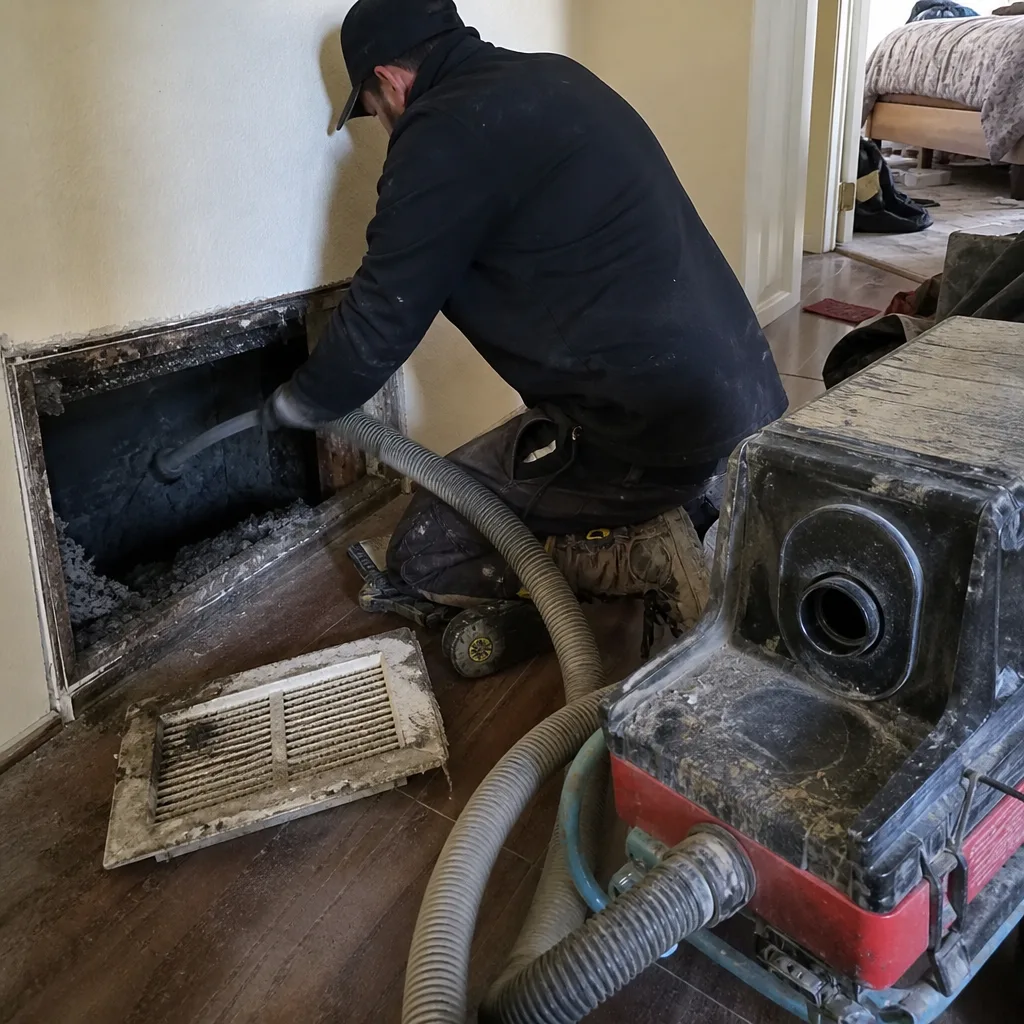 Before
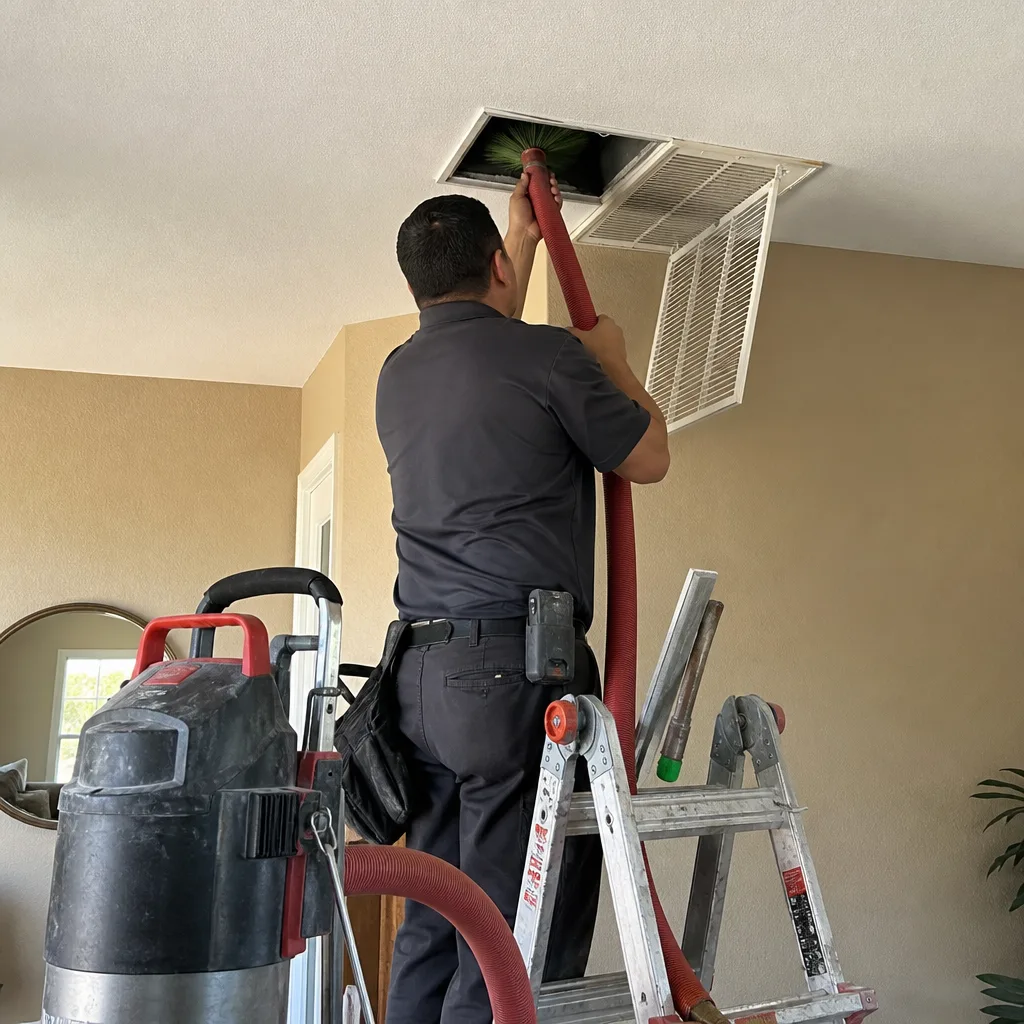 After
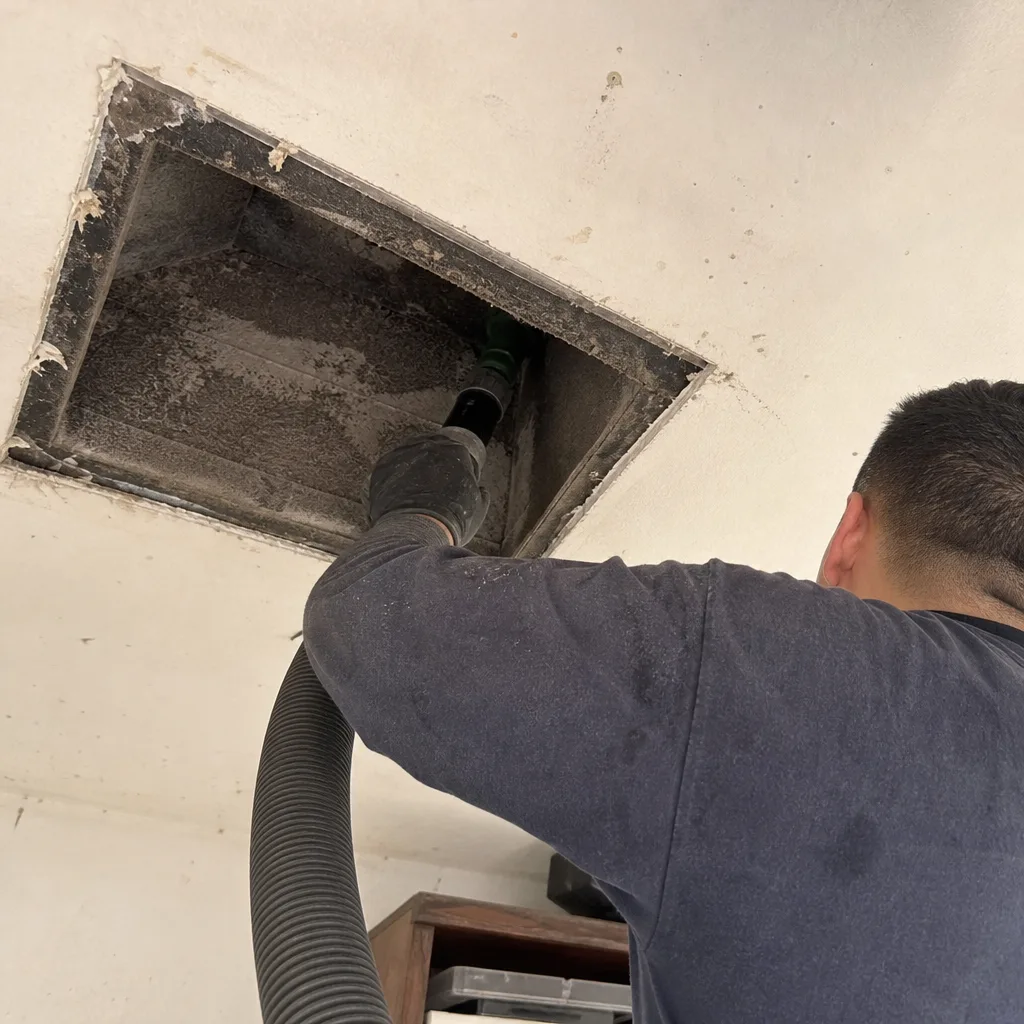 Before
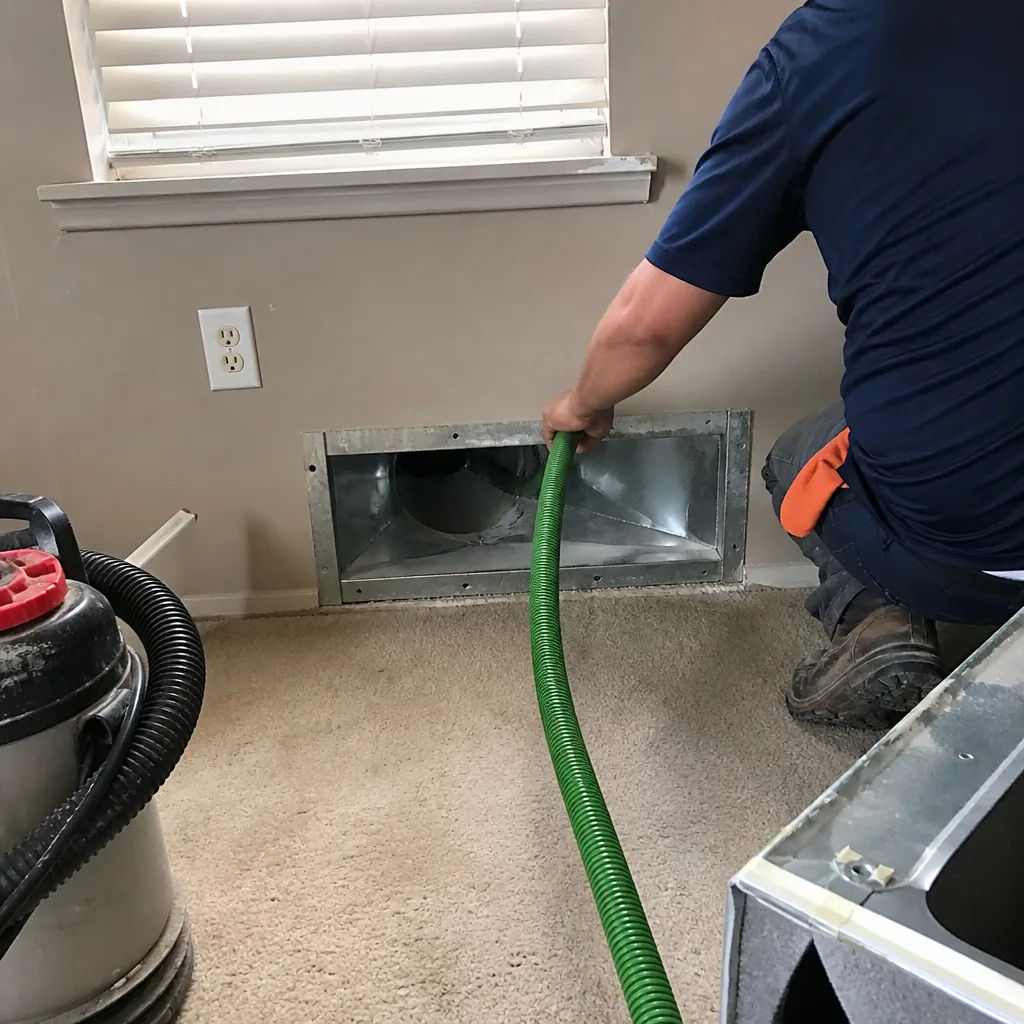 After
 Before
 After