
Last updated November 2, 2026
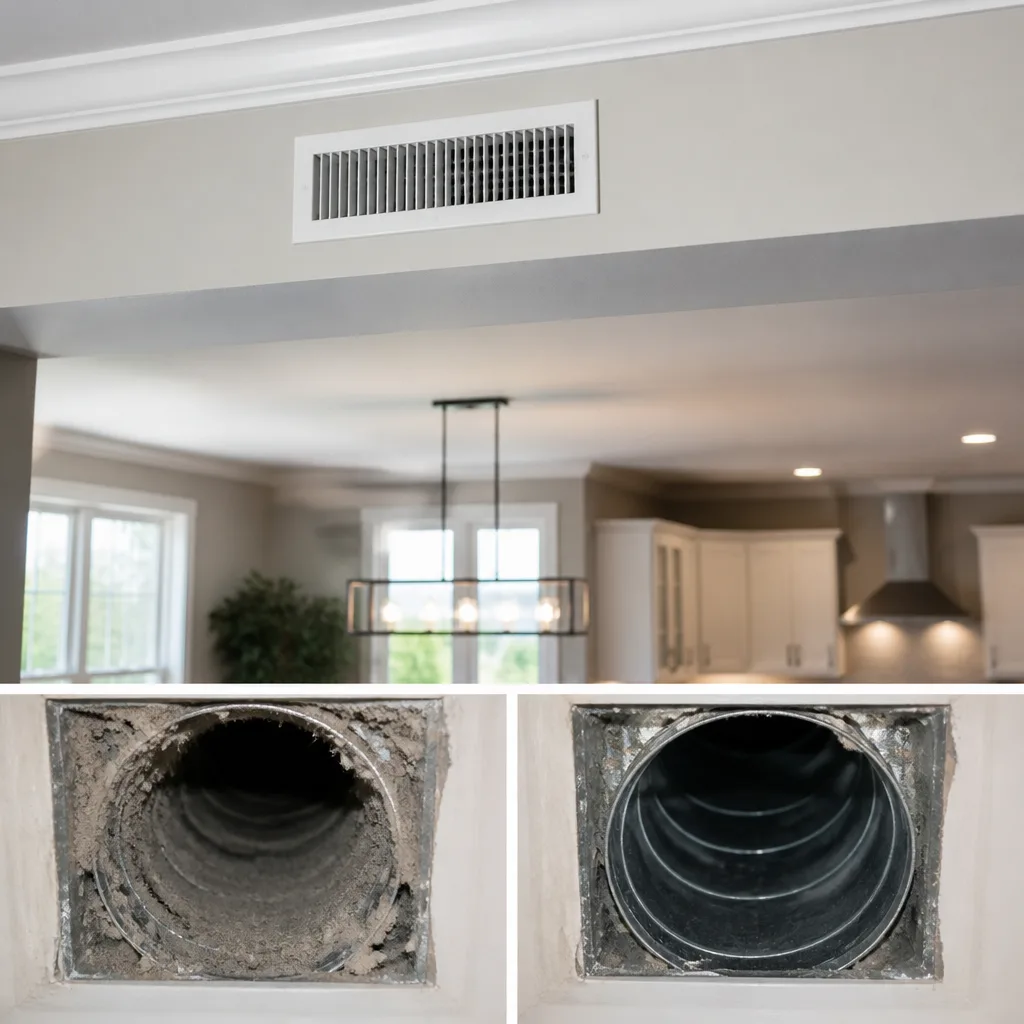 Whole-home duct cleaning
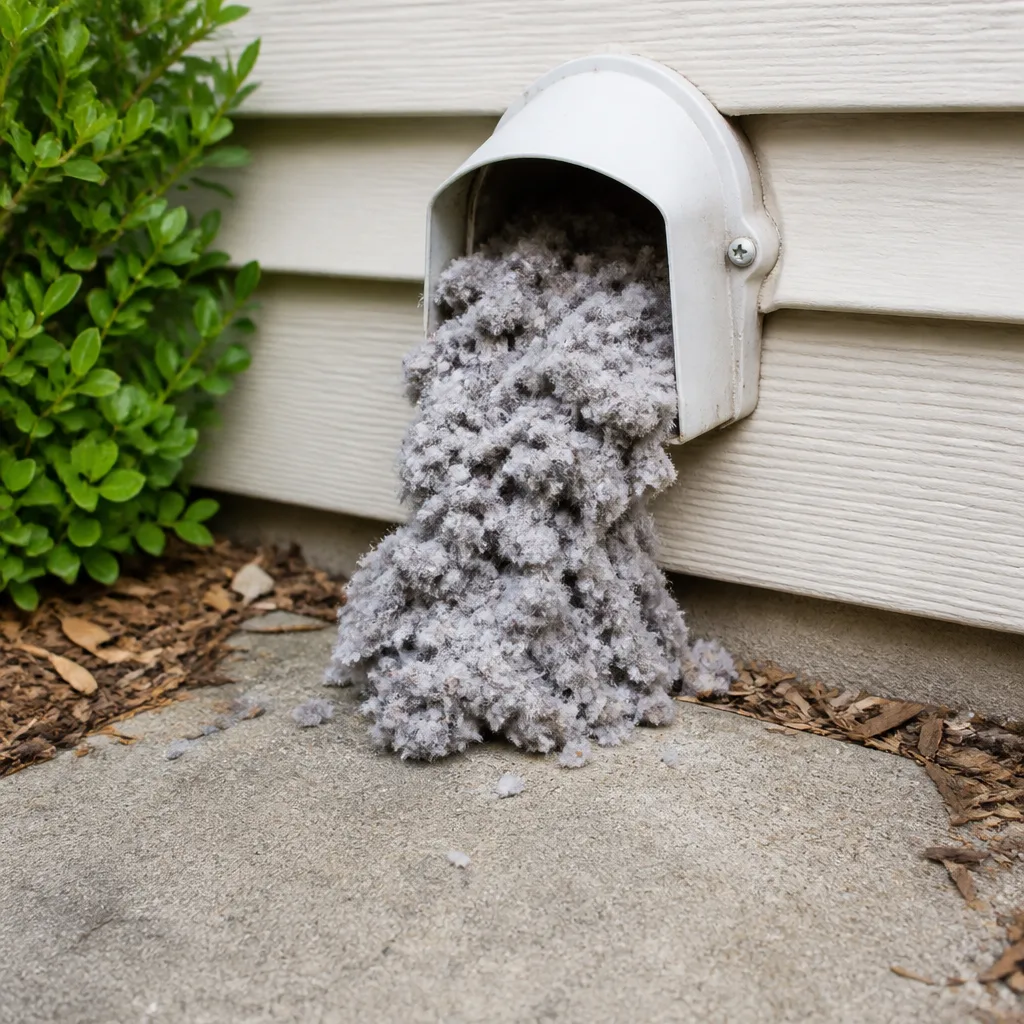 Dryer vent cleaning
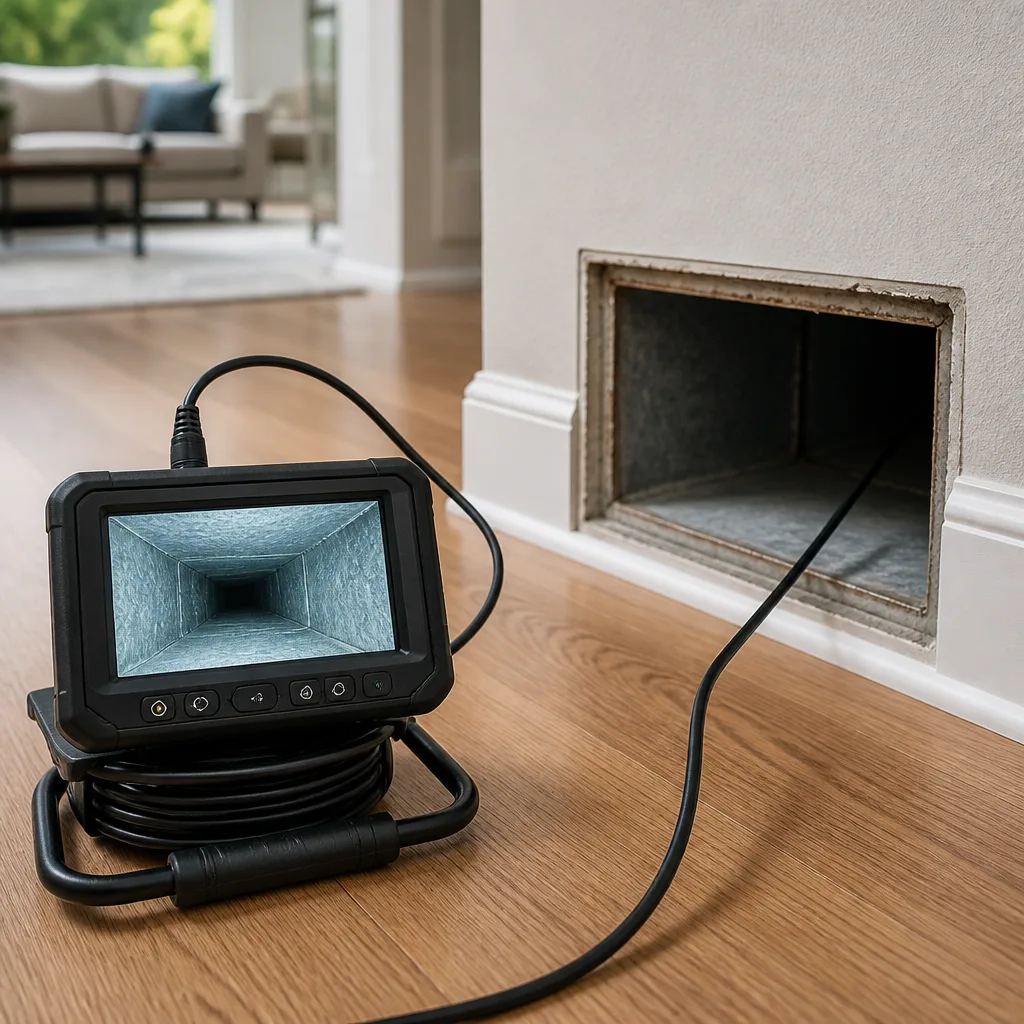 Camera inspection
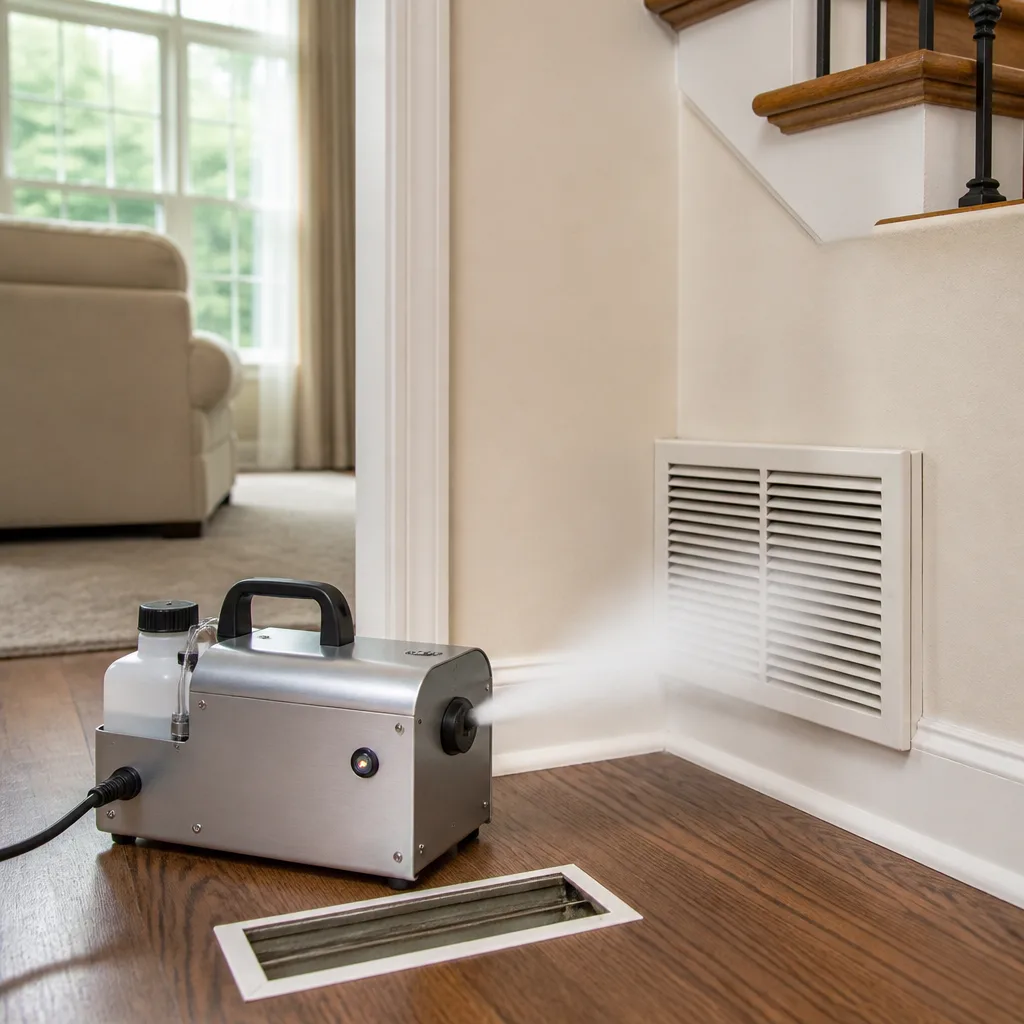 Sanitizing & deodorizing
Whole-system duct and dryer vent check with before-and-after photos - you see exactly what came out of your vents
That "$99 whole-house special" is a bait ad - the real number appears once they are in your hallway, or the "clean" is a shop-vac at the register. We photograph the inside of your ducts before and after instead.
Air Duct Cleaning Maintenance Checklist for Apple Valley Homeowners
Most homeowner maintenance checklists tell you to “check your ducts annually” without defining what checking actually means. That vagueness leaves you unable to distinguish a system that’s fine from one that’s quietly circulating Mojave particulates through every room in your Apple Valley house. This guide replaces the generic advice with a specific, seasonally-timed inspection protocol built around High Desert conditions: wind-driven dust, 100°F+ summer loads, and the fine silt that finds its way past standard filters. You’ll learn exactly what to look at, when to look, and how to document what you find so you’re never guessing about your ductwork again.
Styles & brands we work with
- Whole-home duct cleaning
- Dryer vent cleaning
- Camera inspection
- Sanitizing & deodorizing
Quick Answer
An Apple Valley air duct cleaning maintenance checklist has five core inspection points: return grille dust-cake buildup before summer, supply-register debris and sand infiltration after windstorms, filter condition on a 30-to-45 day replacement interval, visible duct damage or disconnection in accessible runs, and dated photo documentation of system condition. If you find dust accumulation thicker than 1/8 inch on return-side surfaces, visible debris at supply registers after wind events, or filter media collapsing under load, schedule a professional Air Duct Cleaning in Apple Valley before the next seasonal peak. Most Apple Valley systems need a professional evaluation every 2 to 4 years, depending on filter discipline and exposure.
Table of Contents
- Pre-Summer Inspection: The 100°F Load Test
- Post-Windstorm Inspection Protocol
- High Desert Filter Change Intervals
- The Annual Sign-Off: Clean or Defer?
- Documenting System Condition with Dated Photos
- When Duct Repair Beats Duct Cleaning
- The Dryer Vent Addendum: A Fire Risk, Not a Convenience Service
- Common Mistakes to Avoid
- When to Call a Professional
- Frequently Asked Questions
- The Bottom Line
Pre-Summer Inspection: The 100°F Load Test
Apple Valley’s cooling season is not a suggestion. By late May, daytime highs regularly break 100°F, and your HVAC system transitions from intermittent operation to near-continuous duty. That shift is exactly when marginal duct conditions become visible problems. A filter that looked acceptable in March will be loaded with fine dust by June, and a return grille with moderate buildup will start starving the blower for air, reducing efficiency and pulling particulates through gaps that a properly balanced system would seal.
This pre-summer inspection is the most important item on your Apple Valley checklist. Perform it in April or early May, before the sustained heat arrives. Here’s the step-by-step protocol:
- Turn the system off at the thermostat. You need static conditions to see what’s actually sitting on surfaces, not what’s being pulled into the return.
- Inspect every return grille in the house. Look at the face of the grille and the visible interior of the return box behind it. Apple Valley’s airborne dust is fine enough to coat return surfaces with a gray-brown film within weeks. If you see a visible dust cake, matted fibers, or anything thicker than 1/8 inch on the grille fins or interior surfaces, that’s a system under load stress.
- Check the filter. Remove it and hold it up to a light. If you can’t see light through the media, it’s already restrictive. In Apple Valley, this can happen in 30 days or less with MERV-8 and above. We’ll cover filter specifics below.
- Walk the supply side. At each supply register, feel for airflow with the system running for ten minutes. Weak airflow at one or two registers but normal at others suggests a duct leak, a disconnected run, or a collapsed section. In the High Desert, the temperature differential between attic and conditioned air accelerates the decay of flex duct connections, so this check matters.
- Look at the visible ductwork. If you have accessible duct runs in the attic, garage, or crawlspace, inspect them for sagging, disconnected joints, kinked flex sections, and tears in the outer jacket. Apple Valley’s dry heat bakes duct tape into brittle flakes; if you see gray duct tape on any connection, that’s a temporary repair that has almost certainly failed.
In our experience, the homes that fail this pre-summer check are rarely the ones with ancient systems. They’re the homes where filters were changed on a national “every 90 days” schedule that was never adjusted for High Desert particulate loading. The result is a system that spends June through September working harder than it should, circulating whatever the filter couldn’t capture. If your pre-summer inspection finds dust cake at the return grilles or filter media that’s visibly loaded, the right move is a complete Duct Cleaning Apple Valley home evaluation before the heat arrives, not another month of running a compromised system.
Post-Windstorm Inspection Protocol
Apple Valley sits in the path of Mojave wind patterns that push dust and sand across the Victor Valley with force that surprises people who’ve never lived in the High Desert. These wind events are not just an outdoor nuisance. They’re the moments when your duct system’s integrity gets stress-tested, because the pressure differential they create can pull fine particulates past filters and through any gap in the return-side ductwork, the filter housing, or the blower cabinet.
Here’s what to do after any windstorm that leaves visible dust on your vehicles or windowsills:
- Check the filter first. Remove it and inspect the upstream face. If you see a uniform dust loading that matches the storm’s timing, your filtration is doing its job, but the media is now compromised. Replace it, regardless of how recently it was changed. If the filter shows dust on the downstream side, that’s more serious: it means particulates bypassed the filter entirely.
- Inspect supply registers in every room. Look for fine dust on the register face and on the wall or ceiling around it. Dust on the exterior face is normal; dust streaking from the register vanes outward indicates conditioned air is carrying particulates into the room. That’s an infiltration signal.
- Check the return plenum and filter housing. If accessible, look for a dust line or accumulation at the filter rack edges. Gaps between the filter and its housing are common bypass points in Apple Valley homes, and wind-driven pressure makes them worse.
- Listen for new noises. After a significant wind event, run the blower and listen. Whistling, rattling, or airflow sounds that weren’t there before can indicate a seal that shifted or a connection that loosened.
- Make a judgment call. If you found downstream dust, filter bypass evidence, or new noise, the system needs professional evaluation. Infiltration past the filter means the dust that settled is now distributed through the duct interior, and no amount of filter upgrades will remove it. Mechanical agitation plus HEPA extraction is the only method that actually removes it.
This protocol matters because Apple Valley’s windstorms are regular events, not anomalies. A system that survives one storm with bypass will keep bypassing on the next one. The fix usually isn’t a better filter; it’s sealing the return path and Air Duct Cleaning to remove the contamination already introduced. That’s a job for equipment you can name: a Rotobrush rotary-contact system to agitate duct walls, and Nikro HEPA vacuum extraction to capture what the agitation releases. Anything less redistributes the same dust.
High Desert Filter Change Intervals
The standard homeowner advice is to change your air filter every 90 days. That advice assumes average air quality, average occupancy, and average system runtime. Apple Valley violates all three assumptions. The default schedule for this climate should be 30 to 45 days for MERV-8 and above, and 30 days during windstorm season or if you’re running your blower continuously.
Here’s why the interval compresses so aggressively in the High Desert:
- Geologic dust composition. Mojave dust is fine, angular, and highly abrasive. It clogs filter media faster than the larger, softer particulates common in coastal or forested regions. A MERV-11 filter that would go 90 days in San Diego will be visibly loaded in 30 to 45 days here.
- Summer runtime. When daytime highs exceed 100°F for weeks at a time, your system runs more hours per day. More runtime means more air moved through the filter, which means more loading per calendar day.
- Wind-driven particulate spikes. A single afternoon windstorm in Apple Valley can load a filter to capacity in hours, not weeks. If you don’t change the filter after a major wind event, you’re asking the system to work against a loaded media for the rest of its service interval.
The practical takeaway: keep filters on hand, not in your online shopping cart. Buy a 6-pack. Set a calendar reminder for every 35 days. If you have pets, multiple occupants, or you’re running the blower fan continuously for air circulation, err toward 30 days. If you’re running a MERV-13 or higher for allergy reasons, you may need to change even more frequently, because higher MERV ratings load faster by design. And if you’re seeing filter collapse, media separation, or the filter pulling into the blower housing, that’s a system static-pressure problem that no filter change will solve; it’s a sign the ductwork itself needs evaluation.
A separate note on filter quality: the filter is only as good as the housing that holds it. We regularly see Apple Valley homes with good filters installed in filter racks with 1/4-inch gaps around the perimeter. The gap is a bypass path. If you can see daylight around your filter, you’re filtering a fraction of the air you think you are. That’s a repair issue, not a filter-buying issue, and it’s exactly the kind of thing a professional Air Duct Repair in Apple Valley service addresses.
The Annual Sign-Off: Clean or Defer?
Once a year, you should make a formal decision: does this system need professional cleaning this season, or can it be deferred? Most homeowners never make this decision explicitly; they wait until something fails or someone complains about dust. The annual sign-off is how you replace reactive guessing with a documented, deliberate judgment.
Here’s the sign-off protocol. Go through these items on a single day, take notes, and make the call. If you find any item in the “Clean Now” column, schedule professional cleaning. If you’re entirely in the “Defer” column, document your findings and check again in 12 months.
Items That Indicate Professional Cleaning Is Warranted
- Dust cake thicker than 1/8 inch on return grille surfaces or visible return duct interiors.
- Visible dust streaking from supply registers while the system runs.
- Downstream-side filter dust (indicating bypass contamination already distributed through the ductwork).
- Post-construction or post-remodel dust, which includes drywall fines that standard filters cannot capture effectively.
- Evidence of rodent or pest activity in ductwork: droppings, nesting material, or gnawed flex duct jackets.
- Persistent musty odor from supply registers when the blower starts, suggesting organic material accumulation.
- Family members with respiratory sensitivity that worsens when the HVAC runs.
- System age over 10 years with no documented cleaning history.
Items That Indicate Cleaning Can Be Deferred
- Filters changed consistently at 30-to-45 day intervals with no visible bypass.
- No post-windstorm infiltration signals found during the previous season.
- Return grilles showing only light, loose dust that wipes away easily with a dry cloth.
- No significant change in airflow, system noise, or visible register dust since the previous sign-off.
- Dated photos showing stable condition across two or more annual inspections.
The point of this exercise is honesty. In our experience, most Apple Valley homeowners who actually complete this checklist discover they’ve been deferring too long. The High Desert’s dust loading is relentless, and a system that ran five years without cleaning is almost never in the “defer” column. But the checklist gives you the evidence base to make the call, and that’s worth more than any generic schedule from a national duct-cleaning franchise.
Documenting System Condition with Dated Photos
The single most valuable habit in this entire guide is taking dated photographs of your duct system’s condition every time you inspect it. Without a photographic baseline, you have no way to know whether the dust you’re seeing in April is new since last year or has been there since you bought the house. You’re relying on memory, and memory is unreliable for incremental changes.
Here’s how to build a useful documentation record:
- Use the same camera and the same conditions every time. Your phone is fine, but be consistent. Turn on the timestamp feature, or hold a dated card in frame. Shoot with the same lighting: a flashlight aimed at the duct interior works better than ambient light, which underrepresents dust accumulation.
- Shoot the same locations every inspection. Minimum five shots: the worst-looking return grille, the filter immediately after removal, the filter housing interior with the filter removed, the most-used supply register, and any accessible duct run in the attic or crawlspace. Consistency across inspections is what makes comparison possible.
- Take close-ups at an angle that shows texture. Dust cake looks different from loose dust. Angled lighting reveals depth. A flat, head-on photo makes a two-year-old dust accumulation look like a minor film.
- Store photos in a dedicated album with the date in the filename. “HVAC-2025-05-14-return-grille.jpg” is searchable. “IMG_4287.jpg” is not.
- Include one “reference” shot. Photograph a clean surface, like a newly replaced filter or a freshly cleaned grille, so you have a comparison anchor for what “clean” looks like in your own system.
This documentation serves three purposes. It gives you a legitimate baseline for future comparisons when you’re deciding whether to schedule cleaning. It gives any professional you hire a clear picture of the system’s history, which improves the accuracy of their recommendations. And if you’re a property manager or you own a rental in Apple Valley, it creates a defensible maintenance record that no tenant dispute can argue against. A photo log takes ten minutes per inspection and pays for itself the first time it prevents an unnecessary cleaning, or confirms one that was genuinely overdue.
When Duct Repair Beats Duct Cleaning
Cleaning removes what’s inside the ducts. Repair restores the duct system’s integrity so they stop pulling in new contamination from the surrounding space. Both matter, but the order matters more. If you clean a duct system that has disconnected runs, torn flex sections, or a bypass-prone filter housing, you’re spending money to clean a system that will recontaminate itself within weeks. In Apple Valley’s attic conditions, where summer temperatures exceed 140°F and winter nights drop below freezing, duct materials degrade faster than in most parts of the country. The repair question is not theoretical.
Here are the specific signals that tell you repair should come before, or alongside, cleaning:
- Visible disconnection. If you can see a duct run that has separated from a boot, collar, or plenum, cleaning is pointless until it’s reconnected. You’re actively pulling attic air and insulation into the conditioned air stream.
- Collapsed or kinked flex duct. Flex duct that sags more than 4 inches per 8-foot run, or that’s compressed by boxes, framing, or other duct runs, has reduced airflow capacity. In Apple Valley’s cooling season, that pressure loss costs real money in wasted energy.
- Torn outer jacket or exposed insulation. The outer jacket on flex duct is a moisture and contaminant barrier. Once it’s torn, the fiberglass insulation inside is exposed to air movement, and fibers can enter the air stream.
- Duct tape on any connection. Duct tape fails in High Desert heat. If you see it on a duct connection or boot, it has already failed or is about to. It’s a flag that the connection was done without mastic and without proper mechanical fastening.
- Filter housing gaps. Mentioned above, but worth repeating: any gap around the filter defeats the filtration system. This is one of the most common and most overlooked repair items in Apple Valley homes.
- Rust or corrosion on metal sections. Evaporator coil condensation in a humid wall cavity can create rust. In Apple Valley, this is less common than in humid climates, but it appears wherever condensation accumulates against metal duct sections, particularly near air handlers in unconditioned spaces.
The sequence that makes sense: inspect, repair what’s broken, then clean what remains. That’s why Air Duct Repair in Apple Valley is a standalone service, not an add-on line item. A system with intact ductwork holds a cleaning for years. A system with leaks and tears shrugs off a cleaning in a season. If you’re seeing any of the repair signals above, address them before you spend money on cleaning.
The Dryer Vent Addendum: A Fire Risk, Not a Convenience Service
Your air ducts and your dryer vent are different systems with different failure modes, but they live in the same house and they both respond to Apple Valley conditions. The High Desert’s fine lint, already abrasive, travels through a dryer vent at high temperature. When it accumulates, it constricts airflow, drives up dryer runtime, and creates the conditions for a lint fire. The National Fire Protection Association has flagged dryer vents as a leading cause of residential appliance fires, and the risk in a dry, hot climate with frequent dryer use is not theoretical.
Add dryer vent inspection to your same annual sign-off. The protocol is simple:
- Check the exterior vent hood. Run the dryer and confirm the flapper is opening fully and staying open during operation. If it barely moves, the vent is restricted.
- Time a full load. If a standard load of towels takes longer than 45 to 50 minutes to dry in a modern dryer, the vent is the likely bottleneck. Apple Valley’s low humidity should allow normal dry times; anything dramatically longer points to vent restriction.
- Feel the exterior vent surface. After the dryer has been running for 15 minutes, the vent hood should be warm but not hot. Excessive heat suggests a lint blockage somewhere in the run.
- Check the lint trap loading. If you’re seeing unusually heavy lint accumulation on the trap despite cleaning it after every load, that’s a signal of poor airflow through the vent, not just a busy lint trap.
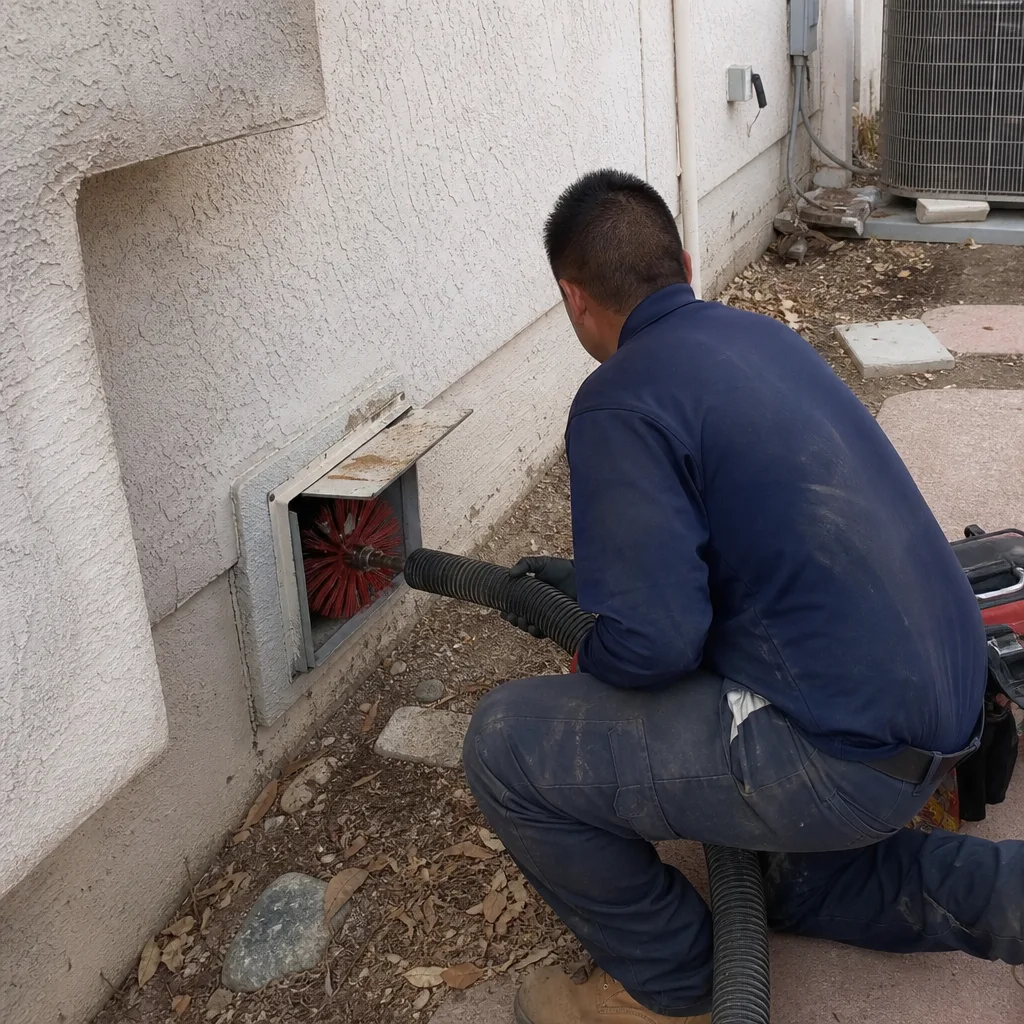
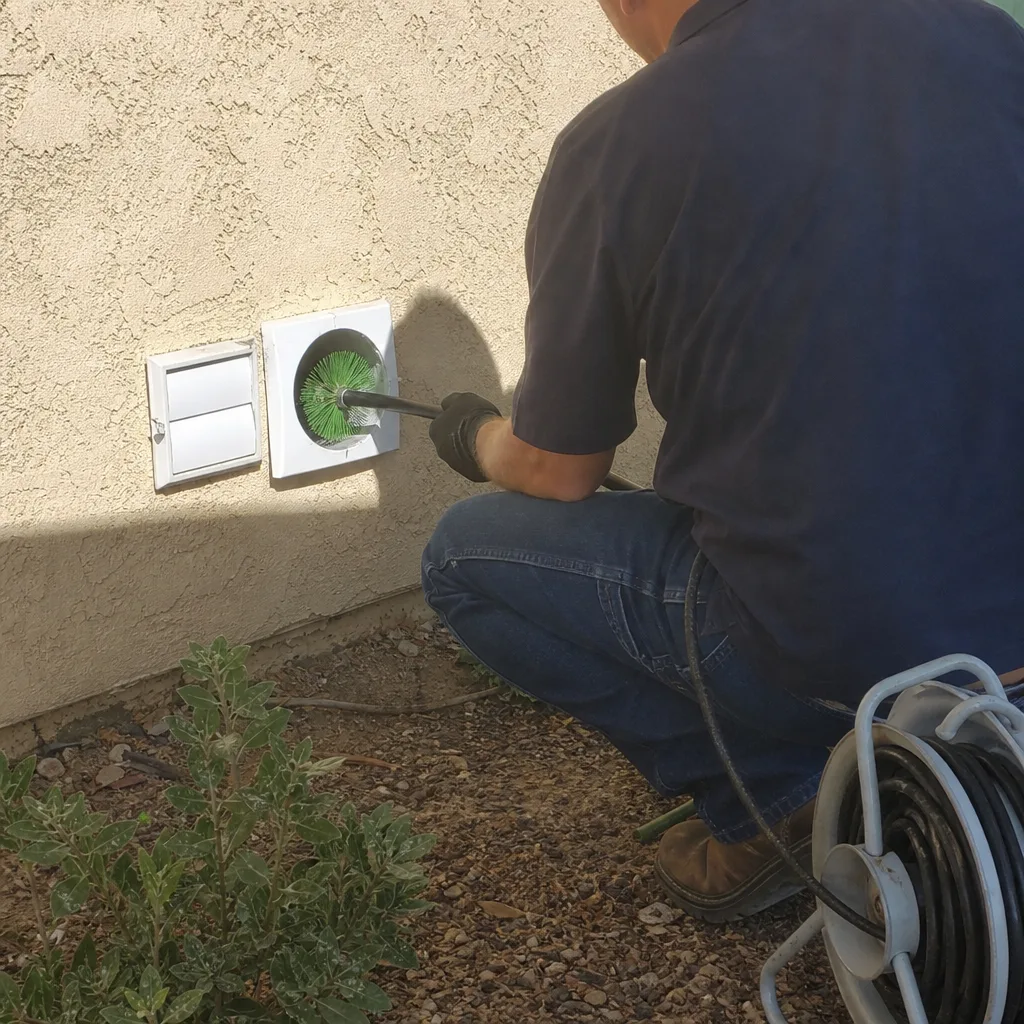
Dryer vent cleaning is genuinely different work from air duct cleaning. It requires specific brushes, rods, and often the ability to access roof or wall terminations safely. We handle Dryer Vent Cleaning in Apple Valley as its own service with its own equipment and its own inspection protocol, because treating it as an add-on to duct cleaning invites exactly the kind of under-servicing that leaves a fire hazard in place. If your annual sign-off flags any of the dryer vent signals above, schedule it separately and treat it with appropriate seriousness.
Common Mistakes to Avoid
- Running the blower to “check” dust accumulation. Running the system stirs up whatever is in the ducts and redistributes it. Inspect with the system off. Always. This is the single most common homeowner error in Apple Valley, and it actively makes a contaminated system worse.
- Trusting a paint-stirring-stick and shop-vac “cleaning.” A shop vac cannot reach beyond the first few feet of a duct run and does not have the extraction capacity to capture what agitation releases. If you see a technician arrive with consumer-grade equipment, you’ve hired the wrong company.
- Buying the cheapest filter and replacing it on schedule. The schedule is only half the equation. A MERV-4 fiberglass filter replaced monthly catches only the largest particulates, and Apple Valley’s fine dust passes straight through. Match the filter to the particulate load, not just the calendar.
- Sealing registers in unused rooms to save energy. Closing off supply registers raises static pressure in the system and can push conditioned air through duct leaks instead. In Apple Valley’s summer, this hurts more than it helps. Keep registers open, and fix the leaks instead.
- Assuming a new home has clean ducts. New construction leaves drywall dust, sawdust, and debris in the duct system during the build process. If you’re buying or moving into a recently built Apple Valley home, treat the ducts as unverified until you’ve inspected them.
- Cleaning ducts before fixing leaks. As discussed above, this is flushing money. Seal first, then clean. The order is not negotiable.
- Using duct tape for repairs. It fails in heat, it fails at joints, and it signals to any inspector that the repair was temporary. Use mastic and mechanical fasteners, or hire a professional who does.
When to Call a Professional
If your annual sign-off turned up dust cake, downstream filter contamination, post-windstorm register streaking, or any of the repair signals listed above, you’ve outgrown what a homeowner inspection protocol can address. Professional duct cleaning in Apple Valley requires more than effort; it requires the right equipment. We use a Rotobrush rotary-contact system for mechanical agitation, Nikro HEPA vacuum extraction to capture what the agitation releases, and Abatement Technologies negative-air containment protocols so the dust removed from your ducts doesn’t end up in your living room. That’s a documented process, not a claim. If you’ve found problems during your inspection, Duct Cleaning Apple Valley home offers free estimates in Apple Valley. Call (855) 619-4509 and tell us what your checklist found.
Frequently Asked Questions
For most Apple Valley homes, every 2 to 4 years is the honest interval, but it depends on filter discipline, windstorm exposure, pet load, and whether anyone in the house has respiratory sensitivity. If you’re changing filters every 30 to 45 days and seeing no post-windstorm infiltration signals, 4 years is defensible. If you’re running a MERV-8 filter for 90 days at a time and you’ve never had the ducts cleaned, that interval collapses to “now.” Call (855) 619-4509 for a free assessment based on your actual system condition, not a generic schedule.
Professional air duct cleaning in Apple Valley typically runs from $400 to $700 for a single-family home, depending on system size, number of returns, and accessibility. That’s for a real cleaning with mechanical agitation and HEPA extraction, not a shop-vac pass. Add-on services like dryer vent cleaning or duct repair are priced separately and quoted individually. For an exact quote, call (855) 619-4509; estimates are free and we give one flat price per system before work starts.
Because they’re not doing the same job. A $99 or $149 “whole-home special” is either a bait-and-switch that becomes a much larger invoice once the technician arrives, or it’s a surface-level vacuuming that doesn’t remove the dust cake from your duct walls. Mechanical agitation plus HEPA extraction requires specific equipment: a Rotobrush system, a Nikro HEPA vacuum, and time. If a quote doesn’t name the equipment being used, you can’t compare it to a real cleaning. Ask what tools they’ll bring. Then call us at (855) 619-4509 and compare the answer.
Ask for before-and-after photos of your specific duct system, taken at the same locations, with the same lighting. Any legitimate company will provide them. You should also see the debris the HEPA extraction captured, either in the collection container or in photographs. If the technician is vague about what was done or can’t show you visual evidence, the work probably didn’t happen. This is why we document every cleaning with before-and-after photos of your actual ducts. Call (855) 619-4509 and ask us about our documentation process.
You can vacuum the first two feet of a duct run, but you cannot reach the interior surfaces where dust cake accumulates, and a shop vac lacks the HEPA filtration to capture what you do dislodge. The result is that you redistribute fine particulates through your home while leaving the actual contamination in place. Additionally, opening duct runs in an Apple Valley attic carries real hazards from heat, insulation, and awkward access. The economics don’t favor DIY here; the equipment required for a real cleaning costs more than the service itself.
Duct cleaning removes documented debris: dust, pet dander, pollen, and the fine silt that Mojave winds push into return paths. If that debris is triggering allergy symptoms, removing it can reduce your exposure in your own home. We can’t make medical claims, but we can remove the documented source of airborne particulates from your ductwork. The most meaningful improvement often comes from combining cleaning with a better filtration setup; we carry and install Honeywell and Aprilaire air-quality products, so a single visit can address both the ducts and the filtration.
The Bottom Line
Apple Valley’s climate punishes duct systems that are ignored. The wind loads them with fine dust, the heat forces them into sustained high-runtime operation, and the temperature extremes degrade the materials they’re made from. A national “check annually” checklist is useless here because it doesn’t tell you what to look for or how to interpret what you find. This guide does: inspect return grilles for dust cake before summer, check supply registers after every windstorm, change filter media every 30 to 45 days, make an explicit clean-or-defer decision each year, and document everything with dated photos. For more guides & resources on maintaining your system, visit our blog. If your inspection turns up contamination or damage, professional help is a phone call away. Duct Cleaning Apple Valley offers free estimates in Apple Valley, California, at (855) 619-4509.
Written by the team at Duct Cleaning Apple Valley, serving Apple Valley since 2013.
See the difference
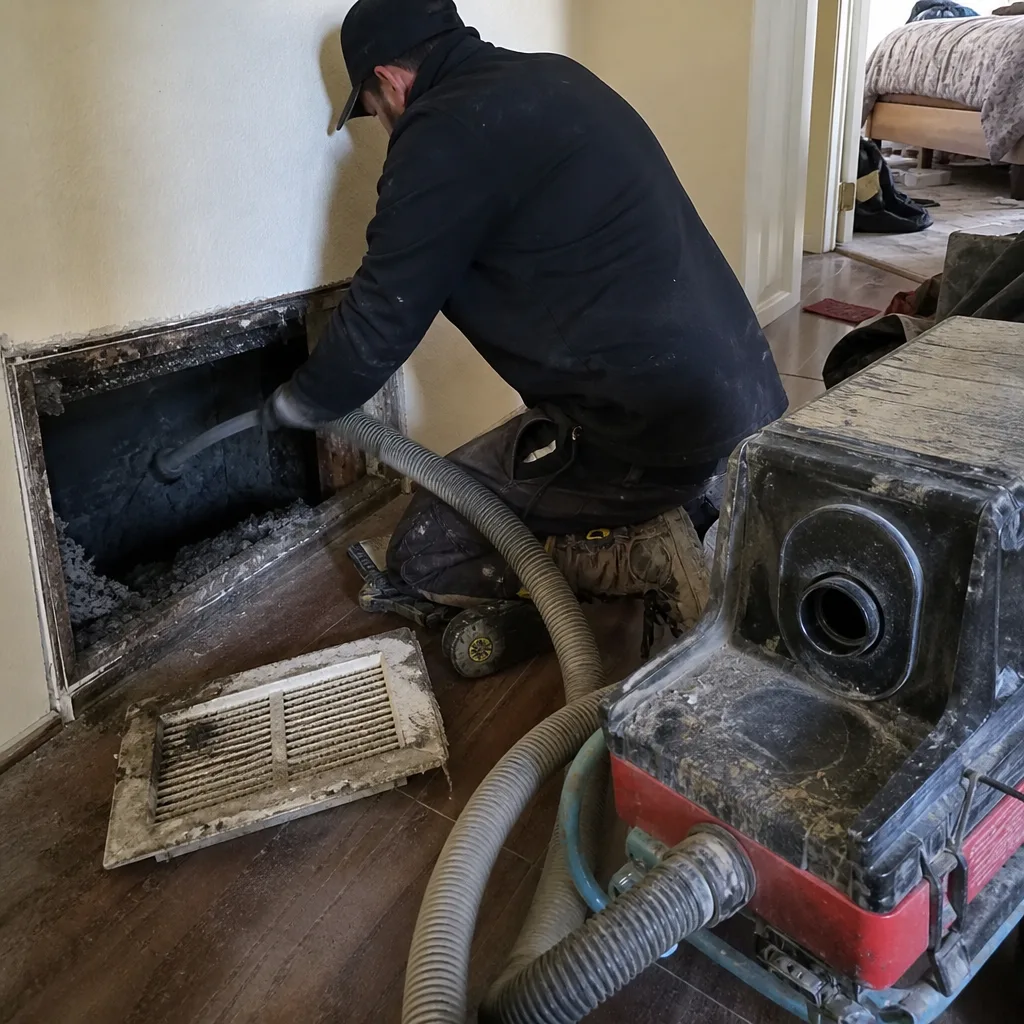 Before
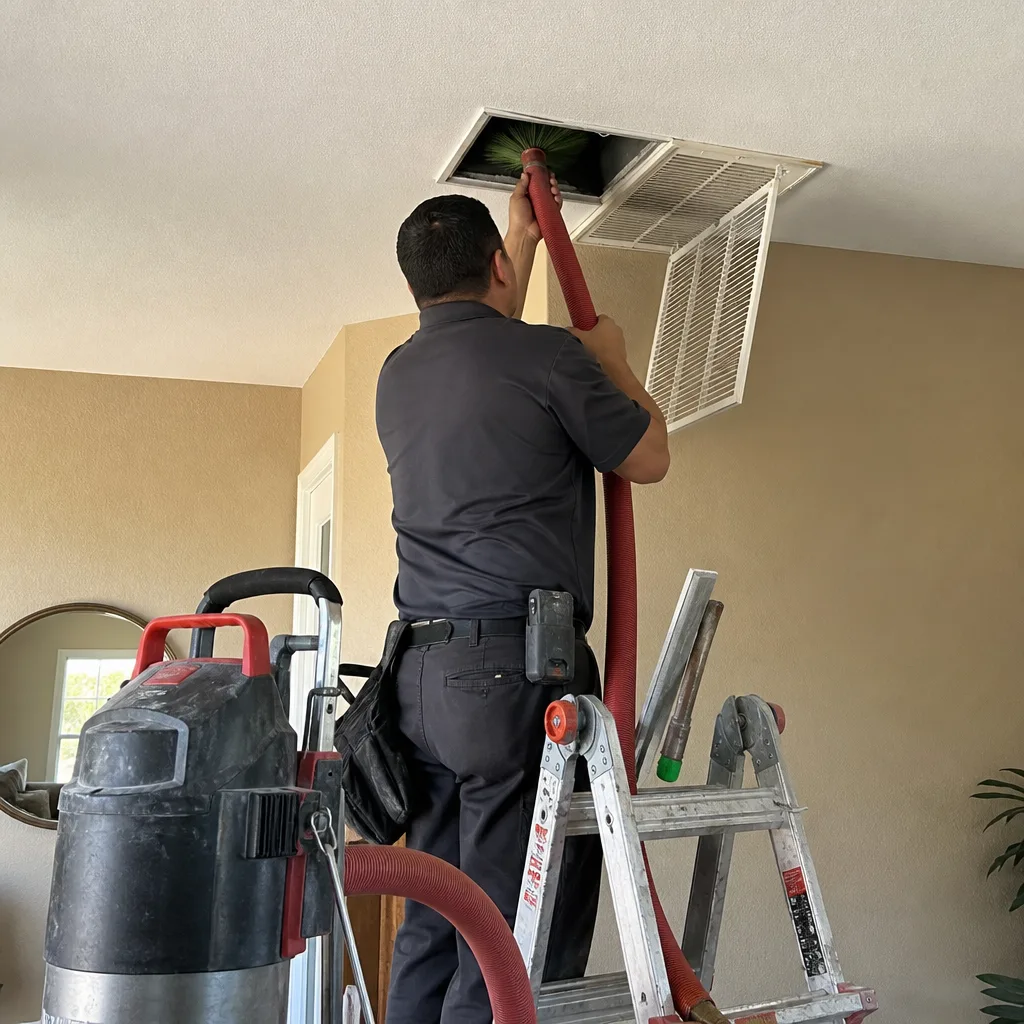 After
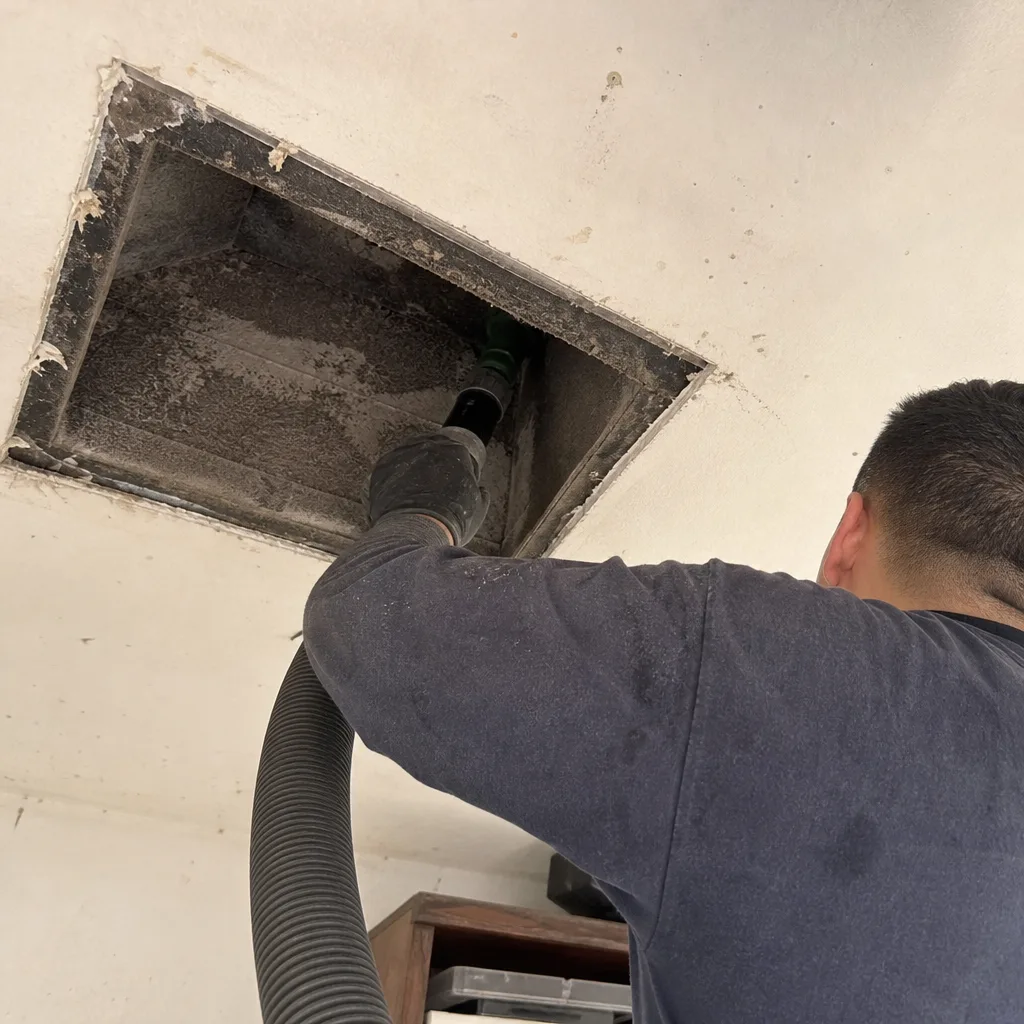 Before
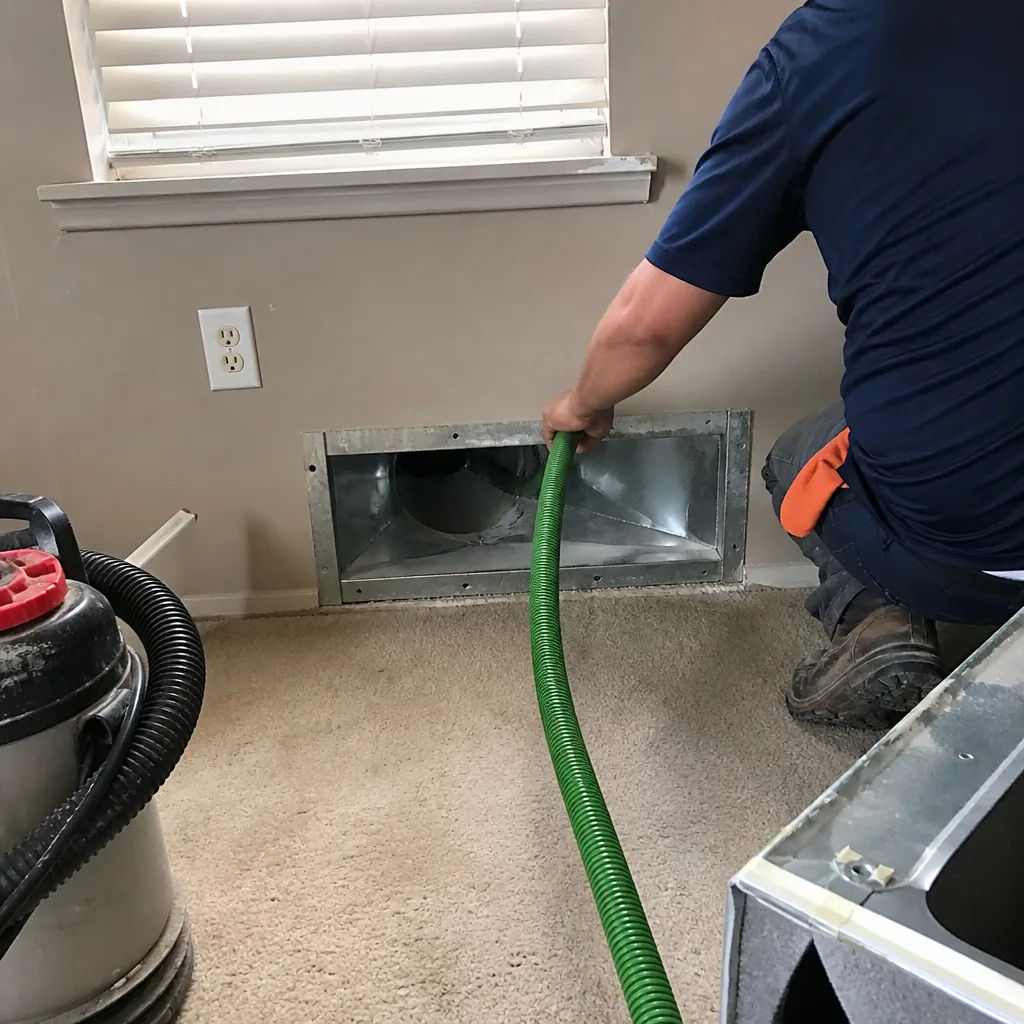 After
 Before
 After