
Last updated November 2, 2026
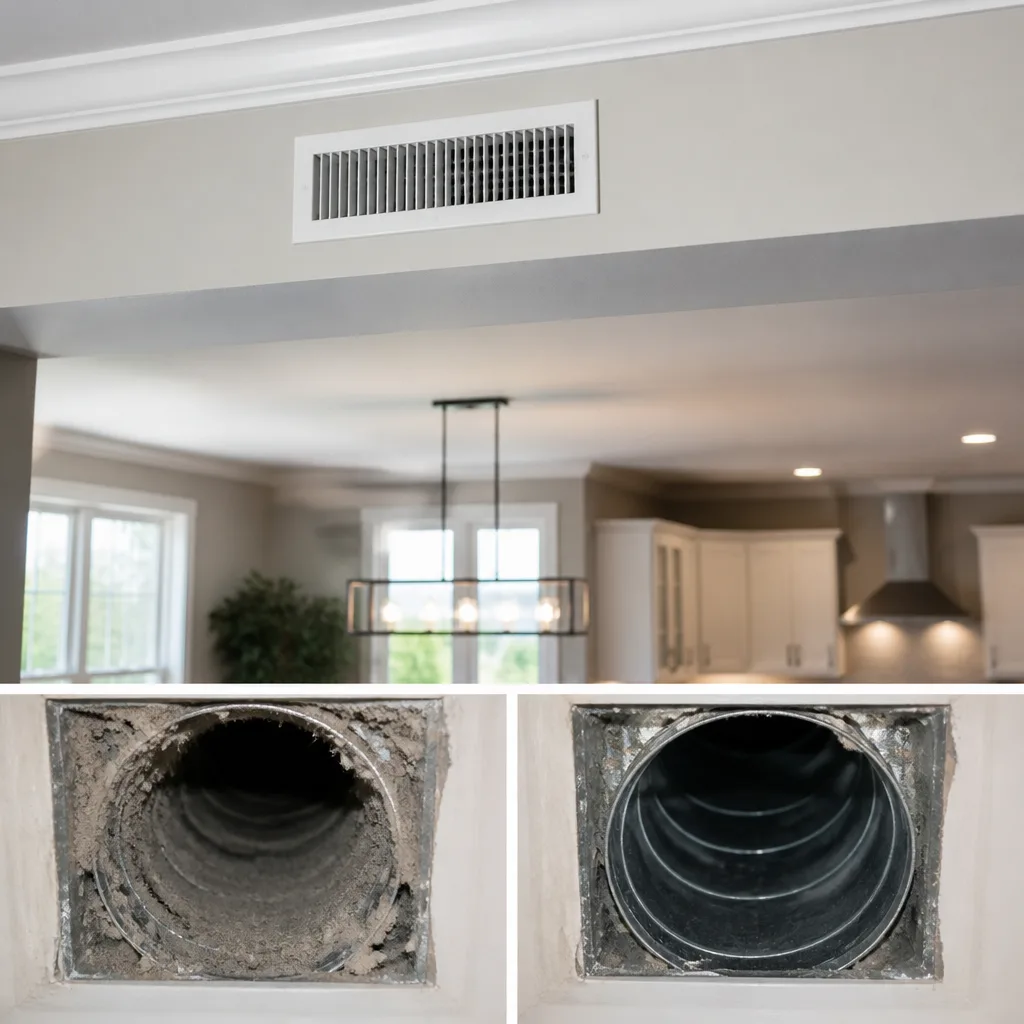 Whole-home duct cleaning
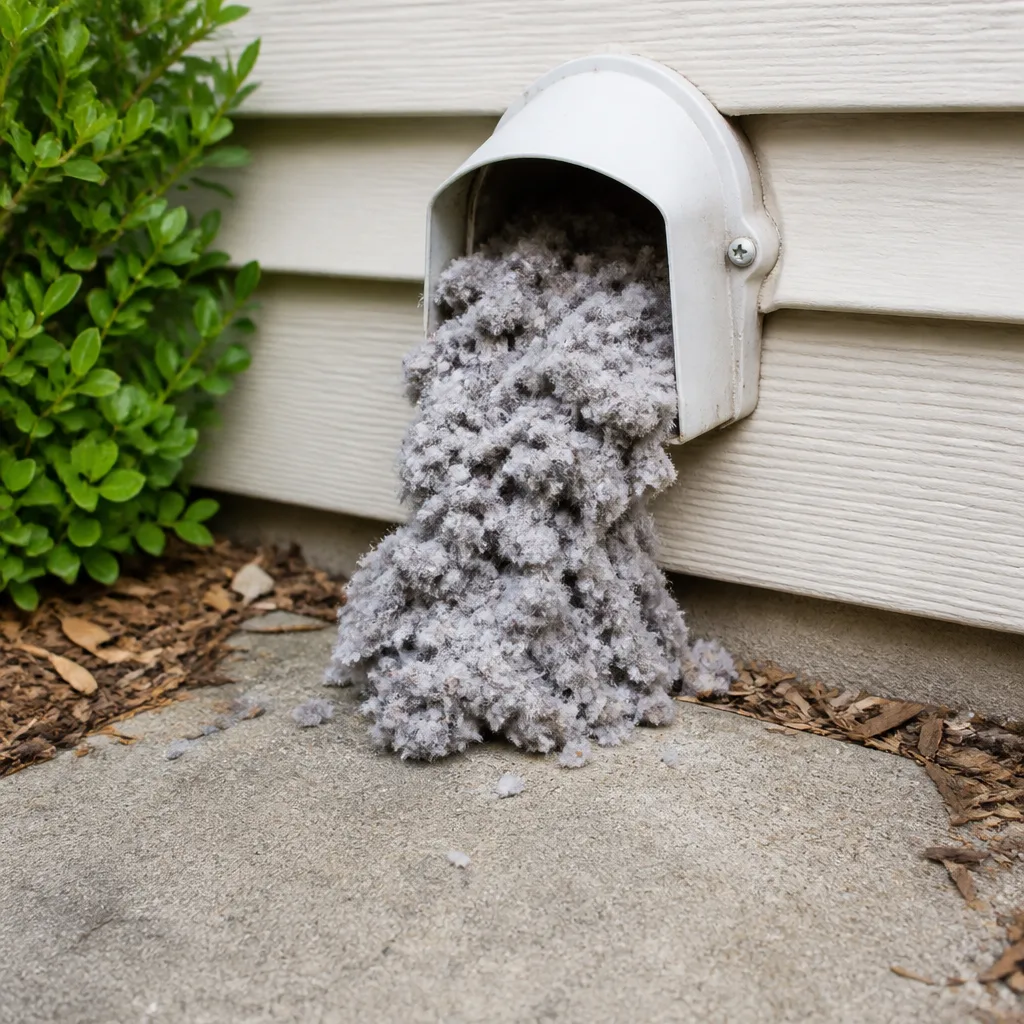 Dryer vent cleaning
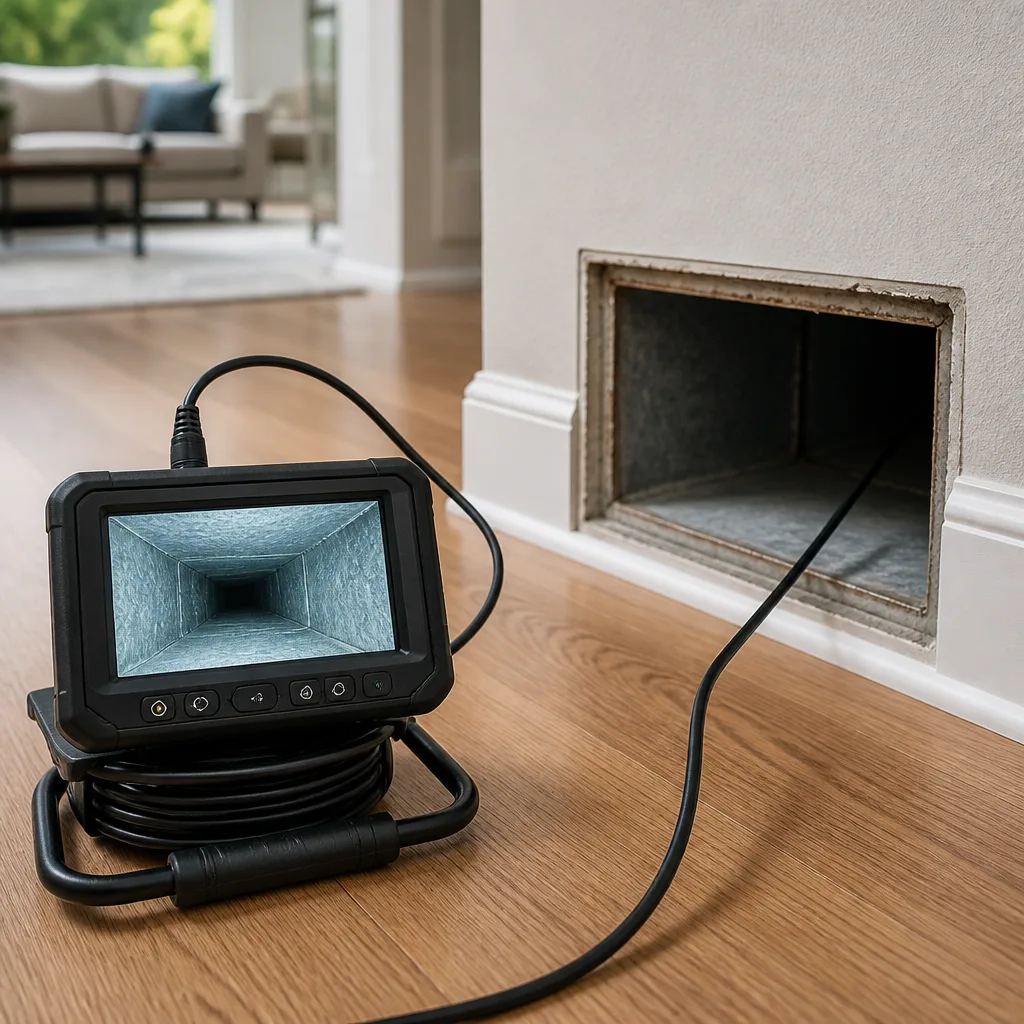 Camera inspection
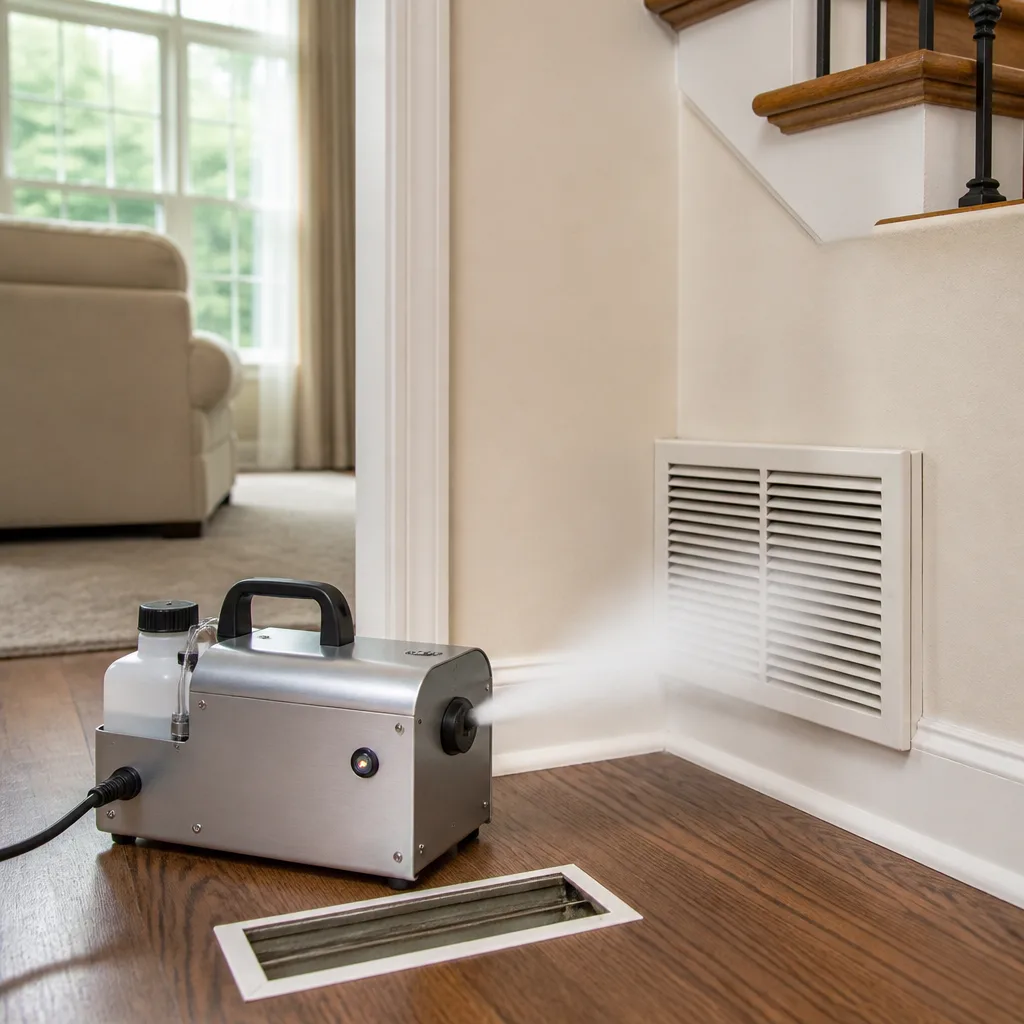 Sanitizing & deodorizing
Whole-system duct and dryer vent check with before-and-after photos - you see exactly what came out of your vents
That "$99 whole-house special" is a bait ad - the real number appears once they are in your hallway, or the "clean" is a shop-vac at the register. We photograph the inside of your ducts before and after instead.
Choosing the Right Air Duct Cleaning Brand: A Buyer’s Guide for Apple Valley
Most homeowners in Apple Valley spend more time researching a $40 toaster than a $400 air duct cleaning. That’s not a criticism. It’s a symptom of how this industry markets itself: big logos, memorable jingles, franchise recognition. But here’s the counterintuitive truth: in air duct cleaning, the brand name on the van is one of the weakest predictors of what happens inside your ducts. A national franchise with a polished website can dispatch a crew running a consumer-grade shop vac and a spinning brush drill attachment. A two-person independent shop operating out of a garage off Bear Valley Road can arrive with contractor-grade negative-air containment and HEPA extraction. This guide will teach you how to evaluate the equipment, process, and documentation behind any duct cleaning brand before you ever pick up the phone. Because in Apple Valley’s market, the real brand is the process, not the logo.
Styles & brands we work with
- Whole-home duct cleaning
- Dryer vent cleaning
- Camera inspection
- Sanitizing & deodorizing
Quick Answer
The right air duct cleaning brand in Apple Valley isn’t the one with the most recognizable name. It’s the contractor who can name their equipment (Rotobrush agitation, Nikro HEPA extraction, Abatement Technologies containment), show you a documented process, and provide before-and-after photos of your actual ducts. Evaluate brands on verifiable process depth, not marketing recognition.
Table of Contents
- Why Franchise vs. Independent Is the Wrong Question
- What Equipment Actually Separates Competent Contractors from the Rest
- The Documentation Test: A Better Brand Proxy Than Any Logo
- Reading Apple Valley Reviews: Signal vs. Noise
- Lean and Competent vs. Cheap and Underequipped: How to Tell the Difference
- What Apple Valley’s Climate and Housing Stock Mean for Your Ducts
- Common Mistakes to Avoid
- When to Call a Professional
- Frequently Asked Questions
- The Bottom Line
Why Franchise vs. Independent Is the Wrong Question
Walk through any Apple Valley neighborhood and you’ll see the same pattern: franchise-branded service vans parked in driveways, their logos polished, their national advertising budgets working overtime. It’s natural to assume that a recognizable name translates to consistent quality. In air duct cleaning, that assumption breaks down fast.
Here’s what actually happens. A national duct cleaning franchise sells territory rights to local operators. Those operators are independent business owners who purchase equipment, hire crews, and manage quality control according to their own standards and budget. The franchise provides branding, a call center, and sometimes a loose equipment list. It does not send out trainers to every job. It does not inspect every duct system after cleaning. It does not guarantee that the truck pulling into your Apple Valley driveway is carrying anything better than what a local independent might bring.
Meanwhile, an independent contractor in Apple Valley who has built a reputation on process depth might operate exactly one truck, with exactly one documented equipment stack, and treat every job as if their business depends on it. Because it does. That’s not to say all independents are great. Plenty are under-equipped and over-promised. The point is that franchise affiliation tells you nothing reliable about field execution.
The correct question is not “which brand should I hire?” but “what equipment and process does the specific crew use, and can they prove it?” We’ve cleaned ducts in Apple Valley homes where the previous contractor was a national franchise that left visible dust caked behind the registers. The homeowner’s mistake wasn’t choosing a bad brand. It was choosing a brand instead of choosing a process.
So when you evaluate any contractor, whether franchise or independent, redirect the conversation. Ask what agitation tool they use. Ask whether they run a HEPA negative-air machine or a portable vacuum. Ask if they’ll photograph your ducts before and after. A contractor who answers those questions clearly within 60 seconds is a better bet than a recognizable logo who stalls on all three. For a deeper look at what a properly executed cleaning involves, see our page on Air Duct Cleaning in Apple Valley.
What Equipment Actually Separates Competent Contractors from the Rest
If you take away one thing from this guide, let it be this: air duct cleaning quality is a function of two mechanical processes, and everything else is commentary. Those two processes are mechanical agitation and HEPA extraction. A contractor who does both with professional-grade equipment delivers a real cleaning. A contractor who does one, or does both with consumer tools, delivers a surface-level vacuum that leaves most of the debris in place.
Let’s talk about what that means in practical terms.
Mechanical agitation is what loosens the dust, debris, and particulate that has bonded to the interior walls of your ductwork. Over years of air movement, that material compacts. A vacuum alone will not remove it. Something has to physically disturb it. This is where equipment choice matters enormously.
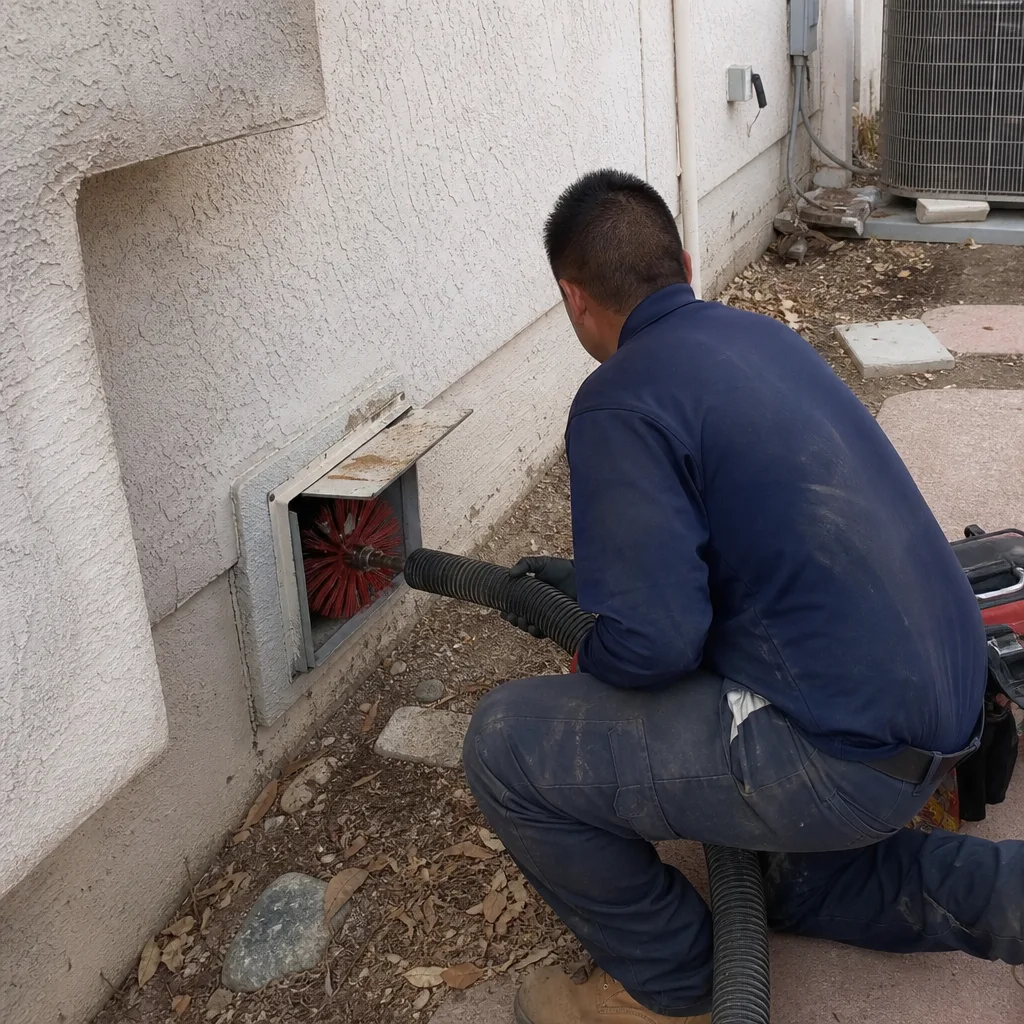
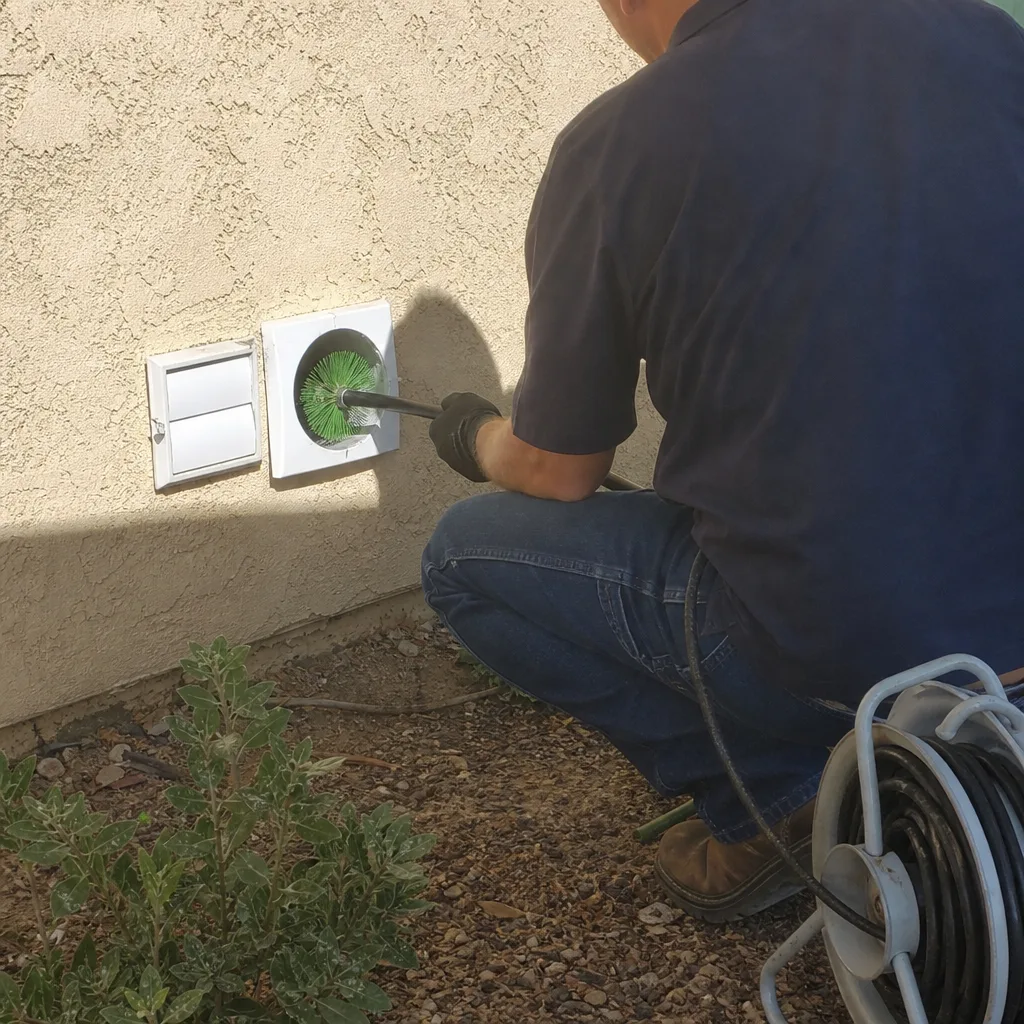
The tool you want referenced is a Rotobrush system. Rotobrush is a rotary-contact cleaning platform built specifically for duct interiors. It uses a motorized brush head that spins as it travels through the duct, mechanically scrubbing the walls rather than just moving air across them. This is a purpose-built tool designed for exactly this job. What you don’t want is a contractor who shows up with a drill attachment from a hardware store and a flexible rod. That’s a consumer-grade improvisation. It might knock loose some dust near the register, but it won’t clean the full run of a duct system in an Apple Valley home.
HEPA extraction is the second half of the equation. Once the Rotobrush has agitated the debris off the duct walls, that debris has to be captured and removed. If the contractor’s vacuum isn’t up to the task, the agitation step actually makes things worse by loosening particulate and then recirculating it into your living space.
Professional contractors use Nikro HEPA vacuum equipment. These are high-filtration units that capture particulate down to a very fine level, so the debris is removed from the system rather than redistributed. Even more important, the best contractors pair HEPA extraction with Abatement Technologies negative-air containment. This is the same class of equipment used in mold remediation and asbestos abatement. A negative-air machine creates a pressure differential that keeps loosened particulate from escaping into the home during the cleaning process. It’s the difference between cleaning a duct system and simply moving dust from the ducts to the carpet.
Here’s how to verify a contractor actually uses this equipment: ask them to name it. A contractor who runs Rotobrush and Nikro gear will say so immediately, without hesitation. A contractor who doesn’t will deflect, or offer vague assurances about being “thorough” or “using professional equipment.” Vague language is the tell. Equipment you can name is the proof.
For homeowners in Apple Valley who want the cleaning done right, this equipment question also connects to a related service many overlook. A duct system that is damaged or disconnected cannot be cleaned properly. We handle that through our dedicated Air Duct Repair in Apple Valley service, which addresses leaks and disconnections that cleaning alone cannot fix.
The Documentation Test: A Better Brand Proxy Than Any Logo
If equipment is the first half of the evaluation, documentation is the second. And in our experience, documentation is where the difference between a real contractor and a marketing operation becomes starkly visible. A company that documents its work is accountable. A company that doesn’t is asking you to take their word for it. In an industry with the reputation this one has, trust without documentation is just hope.
Here’s what good documentation looks like for a residential duct cleaning job in Apple Valley:
- Pre-cleaning photos. Before any work begins, the contractor should photograph the interior of your ducts. This establishes a baseline. If they can’t show you what your ducts looked like before, how will you evaluate what they look like after?
- A signed scope of work. This is a simple document that lists exactly what will be performed: which vents, which returns, what equipment will be used, and what the flat price is. It’s not a contract for legal purposes. It’s a clarity document. If a contractor won’t put the scope in writing, that’s a red flag.
- Post-cleaning photos. Same angles, same ducts, after the job. The before and after photos should make the change visible. If the contractor took photos but won’t share them, or “forgot” to take before photos, something is off.
- A completion report. This is a summary of the job: what was found, what was done, and any recommendations for future work. It’s the written record that your ducts were actually cleaned, not just serviced.
A contractor who provides all four of these is running a process-driven business. The documentation itself is a form of branding. It says: we are accountable for what we do, and we can prove it. A contractor who provides none of these is leaning entirely on your trust and their word. That’s not a brand. That’s a gamble.
This is why the phrase “licensed and insured” is necessary but not sufficient. It tells you the contractor can legally operate. It tells you nothing about whether they document their work, use professional equipment, or clean your ducts thoroughly. Documentation fills that gap. No logo, franchise name, or Google ad can substitute for it.
Reading Apple Valley Reviews: Signal vs. Noise
Every homeowner evaluating a duct cleaning contractor starts with reviews. That’s smart. But most homeowners read reviews the wrong way, and in Apple Valley’s market, reading them the wrong way can lead you straight to the wrong contractor.
The key distinction is between process quality and customer service quality. They are not the same thing, and they show up differently in reviews. Customer service quality is about punctuality, friendliness, responsiveness, and whether the technician wore shoe covers. Process quality is about whether the ducts were actually cleaned thoroughly, whether the equipment was professional, and whether the result held up over time.
Here’s the problem: most reviews measure customer service quality, because that’s what’s visible to a homeowner in the moment. A technician who shows up on time, smiles, and finishes quickly generates a five-star review. Whether the ducts were thoroughly cleaned is harder to evaluate, especially if the homeowner never looks inside the ducts afterward. In Apple Valley, where many homes are older and have accumulated years of desert dust in their ductwork, this distinction matters more than usual.
So how do you read reviews for signal? Look for these patterns:
- Specific equipment mentions. A review that says “they used a Rotobrush and showed me before and after photos” is gold. That’s a homeowner who paid attention and is describing process, not personality.
- Evidence of documentation. Reviews that mention photos, reports, or written scopes of work indicate a contractor who runs a documented process.
- Mentions of duct repair or dryer vent work. A contractor who discusses repair or dryer vents in reviews is operating beyond the surface-level cleaning scope. That’s a sign of technical depth.
- Complaints about upsells or bait-and-switch pricing. Multiple reviews mentioning pressure tactics or price changes are a major red flag, regardless of the star average.
- Reviews from Apple Valley specifically. Local reviewers describing local homes, local dust, and local conditions are more relevant than hundreds of reviews from another state.
Ignore the reviews that just say “nice guy” or “quick service.” Those tell you nothing about whether your ducts will be clean. Also be wary of review patterns that look too uniform. A contractor with everyone saying the exact same phrase is a contractor whose reviews may be incentivized or templated. Real reviews are messy. They mention specific details. They sometimes complain about minor things. That’s the noise you want to see.
Lean and Competent vs. Cheap and Underequipped: How to Tell the Difference
There’s a persistent misconception in home services that a bigger operation is automatically a better operation. In air duct cleaning, especially in a market the size of Apple Valley, that’s often backwards. The lowest-overhead operator is frequently the highest-capability one, because they’re not spending their budget on franchise fees, national advertising campaigns, and a fleet of branded vans that all have to be fed.
But here’s the catch: lean and competent looks superficially similar to cheap and underequipped. Both might be a small independent. Both might have a modest website. Both might answer their own phone. The difference is visible only when you know what to look for.
Lean and competent looks like this: the contractor operates one or two trucks, invests heavily in professional-grade equipment (Rotobrush, Nikro HEPA, negative-air machines), and spends on training and process documentation instead of advertising. When you call, the person who answers can talk fluently about equipment and process. The quote is a flat price for the whole system, agreed before work starts. Before-and-after photos are part of the standard service, not an upsell. The contractor is busy, schedules a week or two out, and doesn’t need to discount heavily to fill the calendar.
Cheap and underequipped looks like this: the contractor advertises heavily on price, runs frequent discount offers, and can schedule you same-week. The equipment is a portable vacuum and a basic agitation tool. When you ask about equipment, the answer is vague. The quote is suspiciously low, or it’s a teaser price that balloons once the technician arrives. Documentation is minimal or nonexistent. The contractor’s calendar is wide open because the work doesn’t generate repeat or referral business.
In Apple Valley, the high-quality independent operator is often the one who has been cleaning ducts here for years because the work speaks for itself. They don’t need a franchise logo because their reputation travels through neighborhoods, property managers, and real estate agents who have seen the difference between a real cleaning and a surface job.
The way to tell the difference is the same conversation we’ve been describing throughout this guide: ask about equipment by name. Ask about documentation. Ask how they handle duct repair if the cleaning reveals damage. A competent contractor answers clearly. An underequipped one stalls. This is the conversation that separates the two in under five minutes.
For the complete picture of what a properly executed cleaning entails, start with our Duct Cleaning Apple Valley home page, which walks through the full service scope.
What Apple Valley’s Climate and Housing Stock Mean for Your Ducts
Apple Valley is high desert. That single fact shapes everything about the dust that accumulates in this town’s ductwork. It’s fine, it’s persistent, and it’s constant. The same dry air that makes the Victor Valley’s summers feel less oppressive than the humidity-heavy coasts also means that fine particulate stays airborne longer and settles into every available surface, including the interior of your ducts.
Homes in Apple Valley run their HVAC systems for long stretches of both summer and winter. That’s a lot of air moving through a lot of ductwork, which means a lot of dust cycling through the system. The desert dust here isn’t just cosmetic. It’s a fine silicate particulate that builds up in the duct walls over years and doesn’t just sit there. It gets disturbed by airflow, recirculated into living spaces, and coats registers and filters faster than in more temperate climates.
This has a few practical implications for homeowners here:
- Ducts in Apple Valley accumulate debris faster than in milder climates, meaning the interval between cleanings is shorter for many homes. A system that might go seven years between cleanings in a coastal city might need attention every four to five years here.
- Dryer vents are a bigger concern in the high desert. Lint accumulates in any dryer vent, but in Apple Valley’s dry air, that lint becomes a fire hazard more readily. We offer dedicated Dryer Vent Cleaning in Apple Valley because this is not a convenience service. It’s a safety necessity, and many air-duct-only contractors in this market don’t handle it.
- Older homes in Apple Valley often have ducting that predates current sealing standards. Leaky or disconnected ducts are common, especially in homes built during the Victor Valley’s growth decades. That’s why Air Duct Repair in Apple Valley is a critical adjacent service. Cleaning a leaking duct system is like filling a bucket with a hole in it.
- Construction dust from the area’s ongoing development adds an additional particulate load. Homes near active construction zones in Apple Valley see faster filter loading and more debris intrusion into the duct system.
These are not generic national conditions. They’re specific to this town, this climate, and this housing stock. A contractor who understands Apple Valley’s dust profile will ask about your HVAC runtimes, your filter replacement habits, and whether you’ve noticed visible dust on registers. A generic contractor won’t. The difference is local knowledge, and local knowledge should be part of your brand evaluation.
Common Mistakes to Avoid
- Choosing a brand name over a documented process. The most polished franchise logo says nothing about the equipment in the van. Ask the equipment and documentation questions before anything else.
- Falling for a low teaser price. In Apple Valley’s market, a suspiciously low per-vent or whole-home quote is usually the opening move in a bait-and-switch. Professional duct cleaning requires expensive equipment and trained operators. If the price seems too low, it probably doesn’t cover real cleaning.
- Skipping the equipment conversation entirely. Many homeowners feel awkward asking about tools. Don’t. A contractor who runs Rotobrush, Nikro, and Abatement Technologies gear will welcome the question. A contractor who can’t answer it has just told you everything you need to know.
- Hiring a duct cleaner without before-and-after photos. If a contractor can’t show you what your ducts looked like before and after, you have no way to verify the work was done. Photos are non-negotiable documentation.
- Assuming dryer vents are included. Dryer vent cleaning is a separate service requiring different tools. Many air-duct-only contractors won’t touch it. If you want the whole system addressed, confirm dryer vent cleaning is in scope, or hire a contractor who does both.
- Ignoring duct repair needs. Cleaning a duct system with leaks or disconnections wastes your money and your HVAC efficiency. If your ducts are older or you’ve noticed inconsistent airflow in Apple Valley rooms, repair should be part of the conversation before or alongside cleaning.
- Overweighting review volume from outside Apple Valley. A thousand reviews from a contractor’s operations in another state tell you nothing about the crew that will drive to your home here. Prioritize local, specific, recent reviews.
When to Call a Professional
Duct cleaning is not a DIY job. The tools required for proper mechanical agitation and HEPA extraction are professional-grade and cost thousands of dollars. A hardware store vacuum and a drill attachment will not clean your ducts. It will move surface dust around and leave the bonded debris exactly where it was. Worse, amateur agitation without proper containment can loosen particulate and push it into your living space.
Call a professional if you notice visible dust accumulating quickly on registers and surfaces after cleaning, if your HVAC airflow has dropped noticeably in certain rooms, if a home inspection flagged duct contamination or damage, or if you’ve recently completed significant renovation work in your Apple Valley home. Also call if you simply don’t know when your ducts were last cleaned. Most systems in this area need attention every four to five years. Duct Cleaning Apple Valley offers free estimates in Apple Valley. Call (855) 619-4509 to schedule a duct assessment, and we’ll help you determine whether cleaning, repair, or both is the right path for your system.
Frequently Asked Questions
Professional air duct cleaning in Apple Valley typically ranges from $350 to $600 for a standard single-family home, depending on system size, accessibility, and whether dryer vent cleaning is included. The key is that a legitimate contractor quotes one flat price for the whole system before work starts. If you’re quoted a per-vent price or an unusually low number, treat it as a red flag. Call (855) 619-4509 for a flat-rate quote tailored to your system, and make sure the quote includes documentation and before-and-after photos.
Cheap duct cleaning quotes almost always reflect lower equipment cost and reduced scope. A contractor running a portable vacuum and a basic drill attachment can afford to charge less because their overhead is minimal and their cleaning depth is superficial. A contractor running Rotobrush agitation, Nikro HEPA extraction, and negative-air containment charges more because the equipment is expensive, the process is slower, and the result is verifiably better. In Apple Valley’s dust-heavy environment, the cheap option typically leaves most of the debris in the ducts. Call (855) 619-4509 to understand exactly what equipment and process your quote includes.
You know the work was done when the contractor provides pre-cleaning photos, post-cleaning photos, and a completion report. These three documents let you see the interior condition of your ducts before and after the job. If a contractor can’t or won’t provide photo documentation, you have no independent way to verify the cleaning depth. Insist on photos as a condition of hiring. Duct Cleaning Apple Valley includes this documentation as standard practice on every job.
In Apple Valley’s high-desert climate, most homes benefit from air duct cleaning every four to five years, compared to five to seven in milder climates. The fine airborne dust here accumulates faster, especially in homes with long summer HVAC runtimes or proximity to construction areas. Homes with pets, recent renovations, or residents with dust sensitivities may need cleaning more frequently. Your contractor should be able to show you photos that justify either a longer or shorter interval.
The equipment is far more important. In air duct cleaning, the brand name on the van tells you almost nothing about the tools and process the specific crew will use at your home. A reputable independent with Rotobrush and Nikro equipment will outperform an underequipped franchise crew every time. Evaluate the equipment and documentation first. The name is irrelevant if the process is weak.
Some can, and in Apple Valley, that matters. Many air-duct-only contractors won’t touch dryer vents or duct repair, which means you’d need to coordinate multiple contractors to address the whole system. Duct Cleaning Apple Valley handles all three: Air Duct Cleaning, Dryer Vent Cleaning, and Air Duct Repair. One visit, complete system. Call (855) 619-4509 to discuss your full scope.
The Bottom Line
The air duct cleaning brand that matters in Apple Valley is not a logo or a franchise name. It’s the equipment the contractor operates, the documentation they provide, and their willingness to answer specific questions about process. Rotobrush agitation and Nikro HEPA extraction with Abatement Technologies containment represent a contractor-grade standard that’s verifiable in the first phone call. Before-and-after photos, a written scope of work, and a completion report demonstrate accountability that no marketing campaign can replicate. In a high-desert market like this one, where dust accumulation is relentless and duct systems work hard year-round, those specifics are the difference between a real cleaning and a surface vacuum. Ask the equipment questions. Demand the documentation. Hire the contractor who answers clearly.
Written by the team at Duct Cleaning Apple Valley, serving Apple Valley since 2013.
See the difference
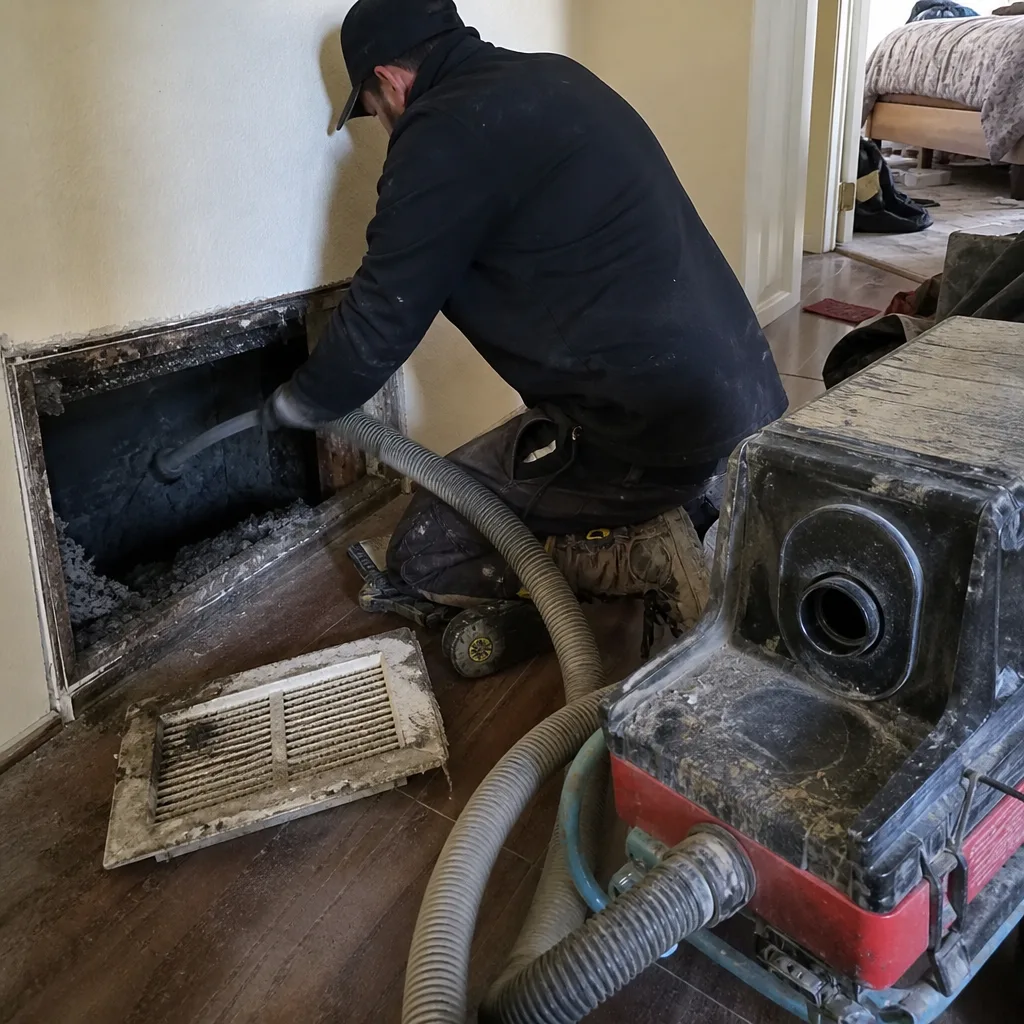 Before
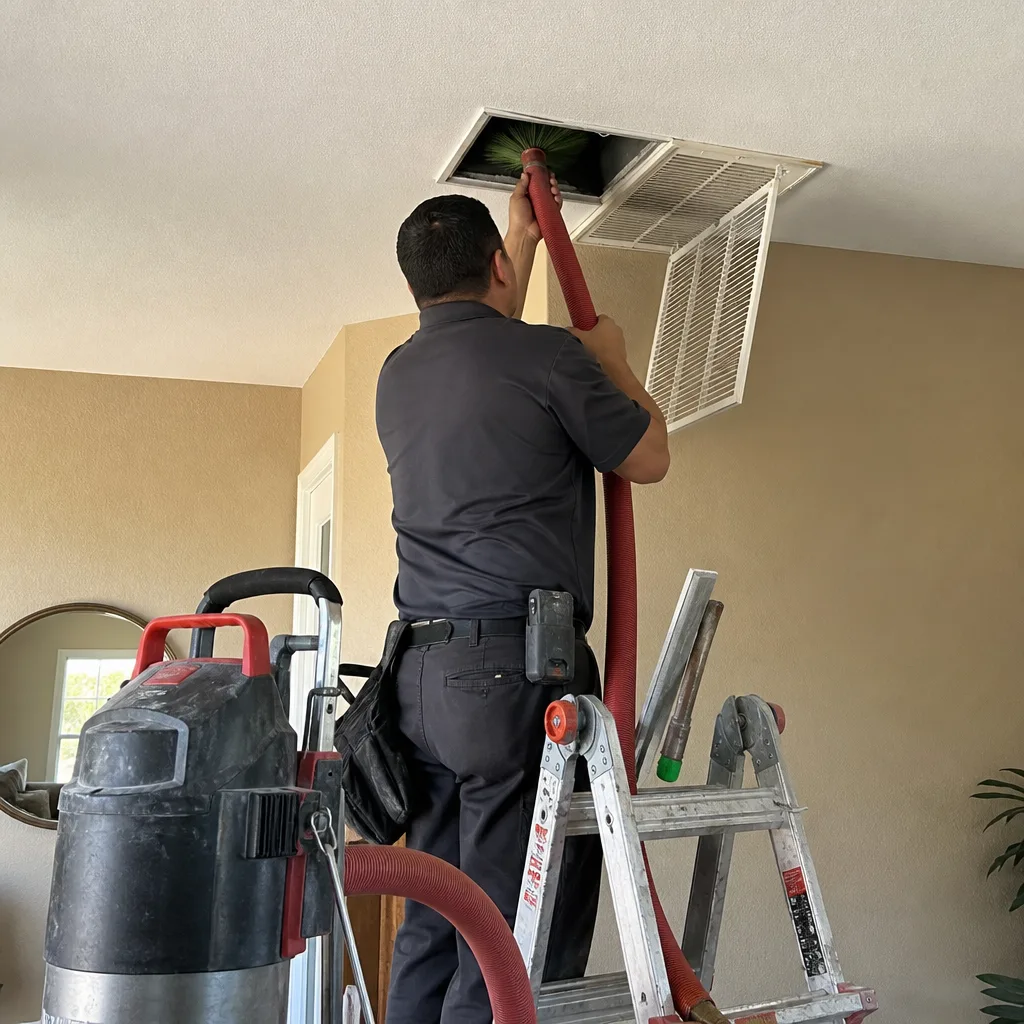 After
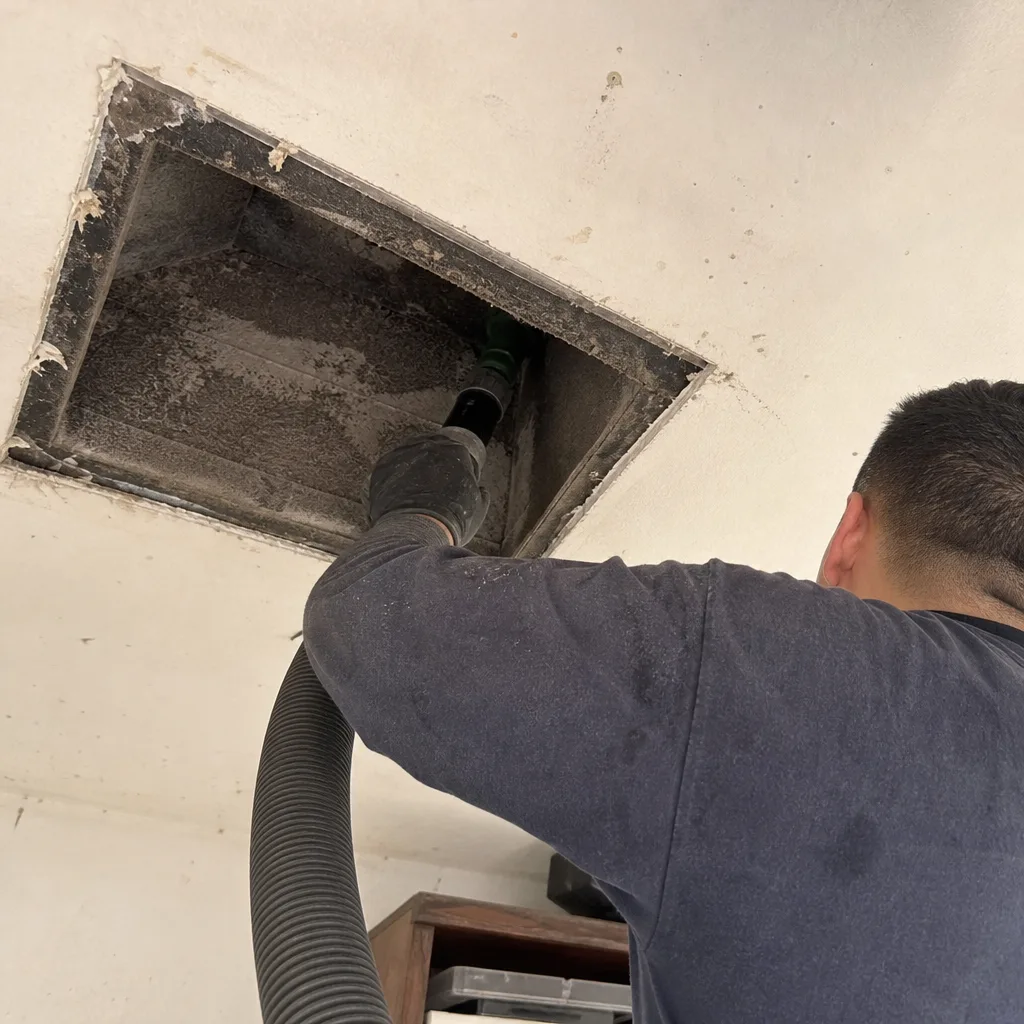 Before
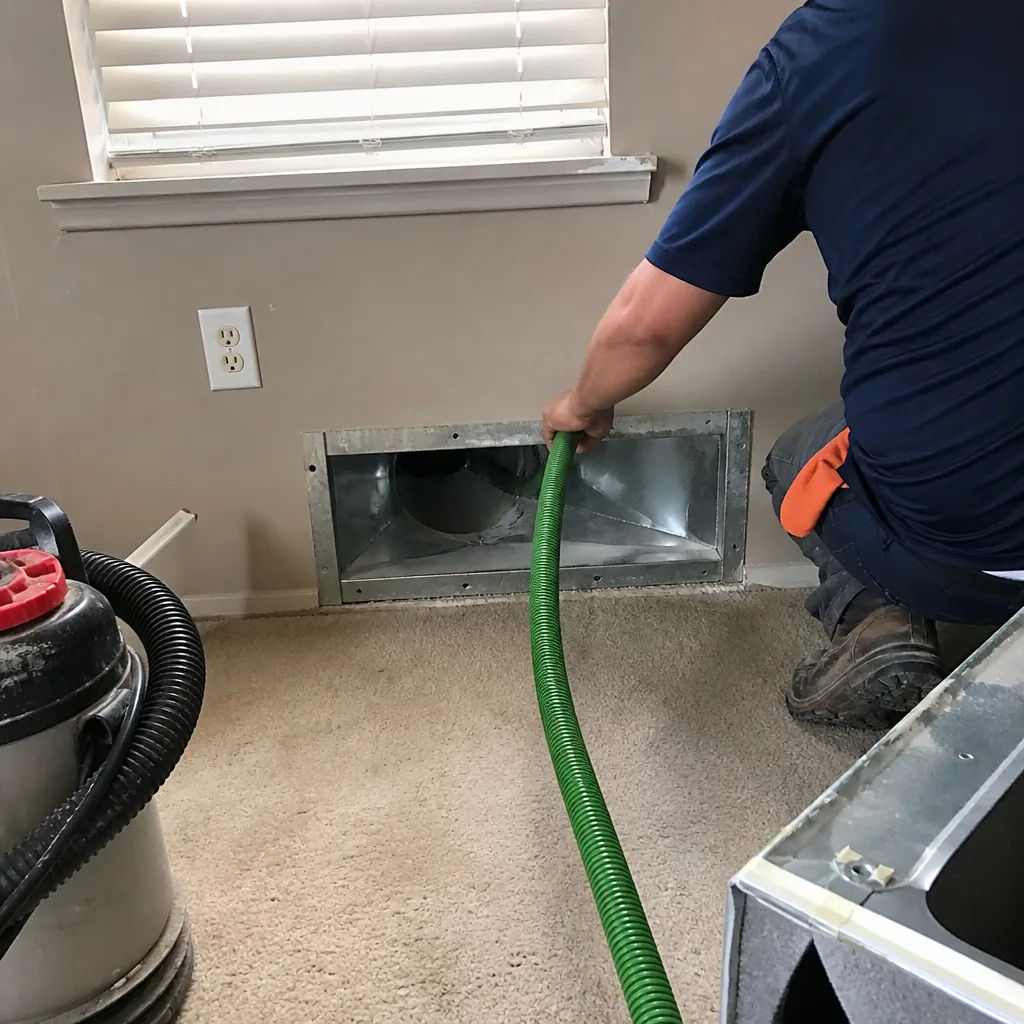 After
 Before
 After